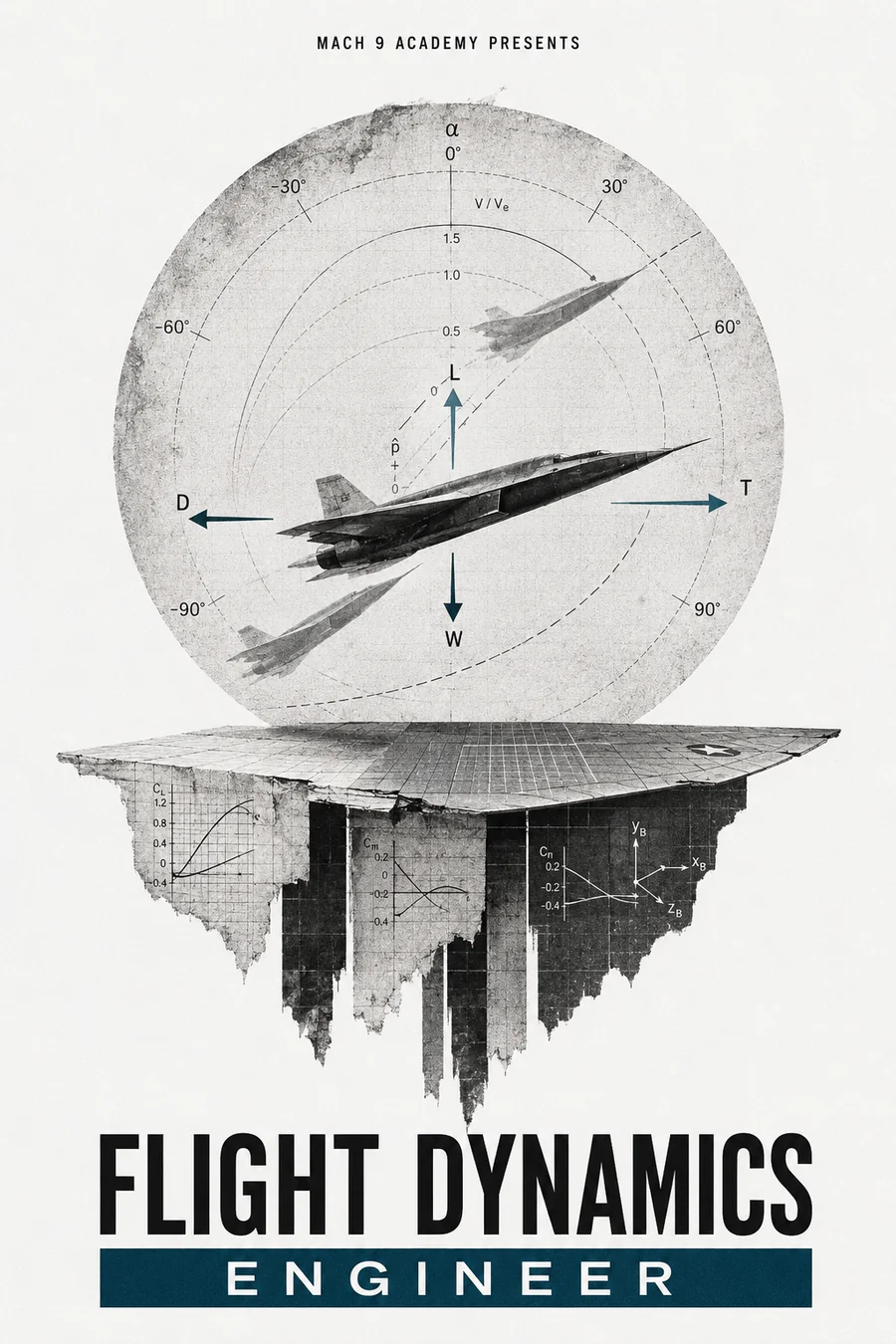
Works out where the spacecraft is, and where it will be.
The work
Flight dynamics is orbit determination and manoeuvre planning: taking tracking data, fitting an orbit, and computing the burn that puts the spacecraft where the mission needs it, with the least propellant.
A typical day
- 01Fit orbits to tracking and ranging data
- 02Plan manoeuvres and check propellant budget
- 03Predict conjunctions and recommend avoidance
- 04Support launch and early orbit phases
How people get in
- Engineering, maths or physics degree
The maths matters more than the department name.
How it unfolds
- DegreeAerospace or physics, with orbital mechanics taken further than an undergraduate course goes.
- Years 1-3Orbit determination and manoeuvre planning under supervision.
- Years 4-8Owning the trajectory for a mission, including the parts that cannot be undone.
- LaterMission design, or navigation lead on an interplanetary programme.
Is there a job in it
- Employed now
- 68,700
- Projected change
- +8% by 2034
- Openings a year
- 3,800
Aerospace engineers · US Bureau of Labor Statistics, Occupational Outlook Handbook, May 2024 wages and 2024–34 projections.
Counted inside "aerospace engineers", along with every other engineering discipline that works on air and space vehicles. There is no separate published line for this specialism.
The hard parts
The maths is genuinely hard and stays hard. A manoeuvre executed on a wrong number cannot be recalled, and the confirmation comes back minutes or hours later.
What you would need
- Orbital mechanics
- Numerical methods
- Estimation and filtering
- Programming
- Median pay
- $134,960
- Aerospace engineers, May 2024. US Bureau of Labor Statistics.
- Typical education
- Bachelor's or Master's in aerospace engineering, maths or physics
- Routes in
- Degree
- Field
- Space