Loading…
02Careers
A fourteen-year-old can name six jobs. There are hundreds.
Every profile says what the work is actually like on a Tuesday, what you would need to know, and every route in, including the ones that do not involve a degree.









Pay and demand on every profile come from the US Bureau of Labor Statistics Occupational Outlook Handbook, cited and linked where you can check them. 47 of these 53map to a published occupation; the other 6 say plainly that none does, rather than quoting a neighbour’s number.
53careers
- AviationAirline PilotFlies scheduled passenger services as one half of a two-person crew.Licence or certification · Military
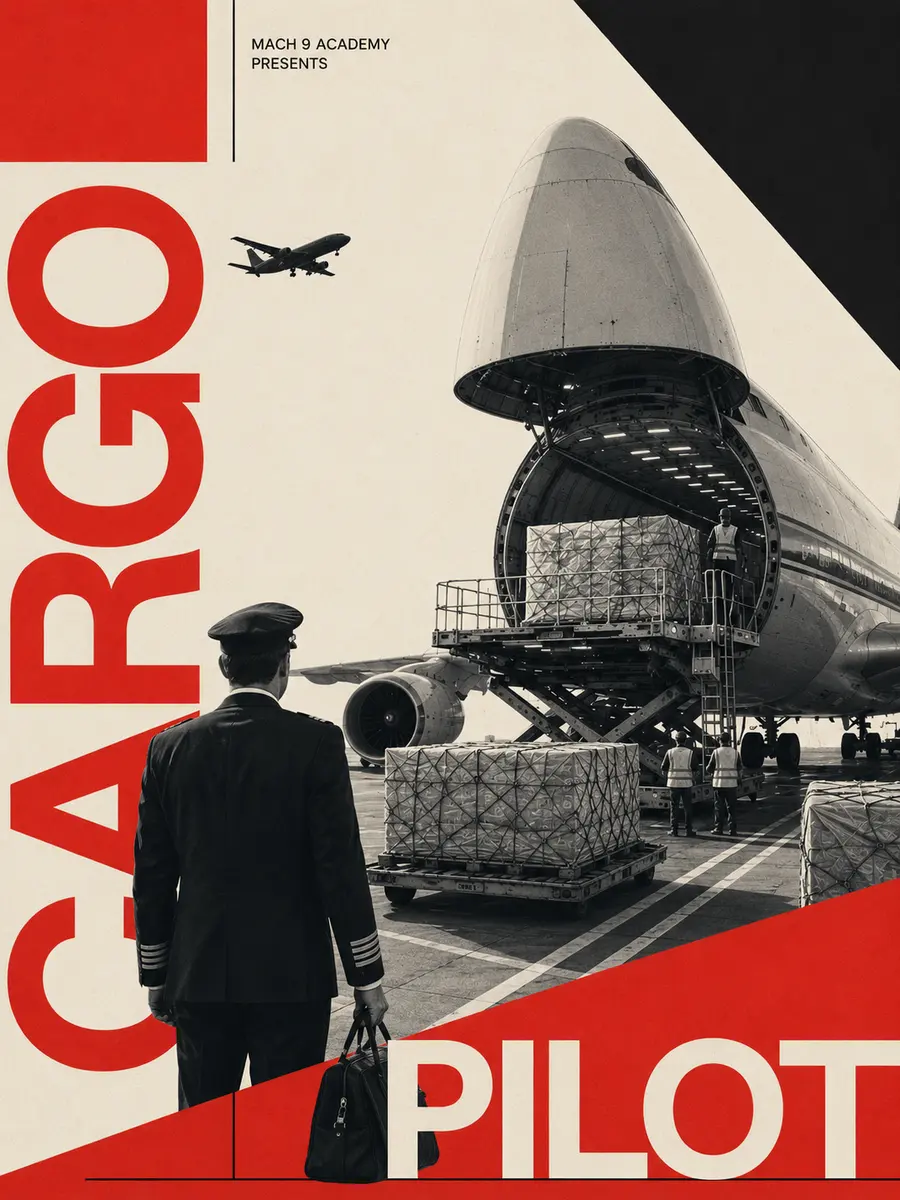
- AviationCargo PilotMoves freight, mostly overnight, to schedules nobody sees.Licence or certification · Military
- AviationCorporate PilotFlies business jets on schedules set by the people in the back.Licence or certification · Military
- AviationMilitary PilotFlies military aircraft, with the selection and the commitment that implies.Military · Degree
- AviationHelicopter PilotFlies the aircraft that go where runways are not.Licence or certification · Military
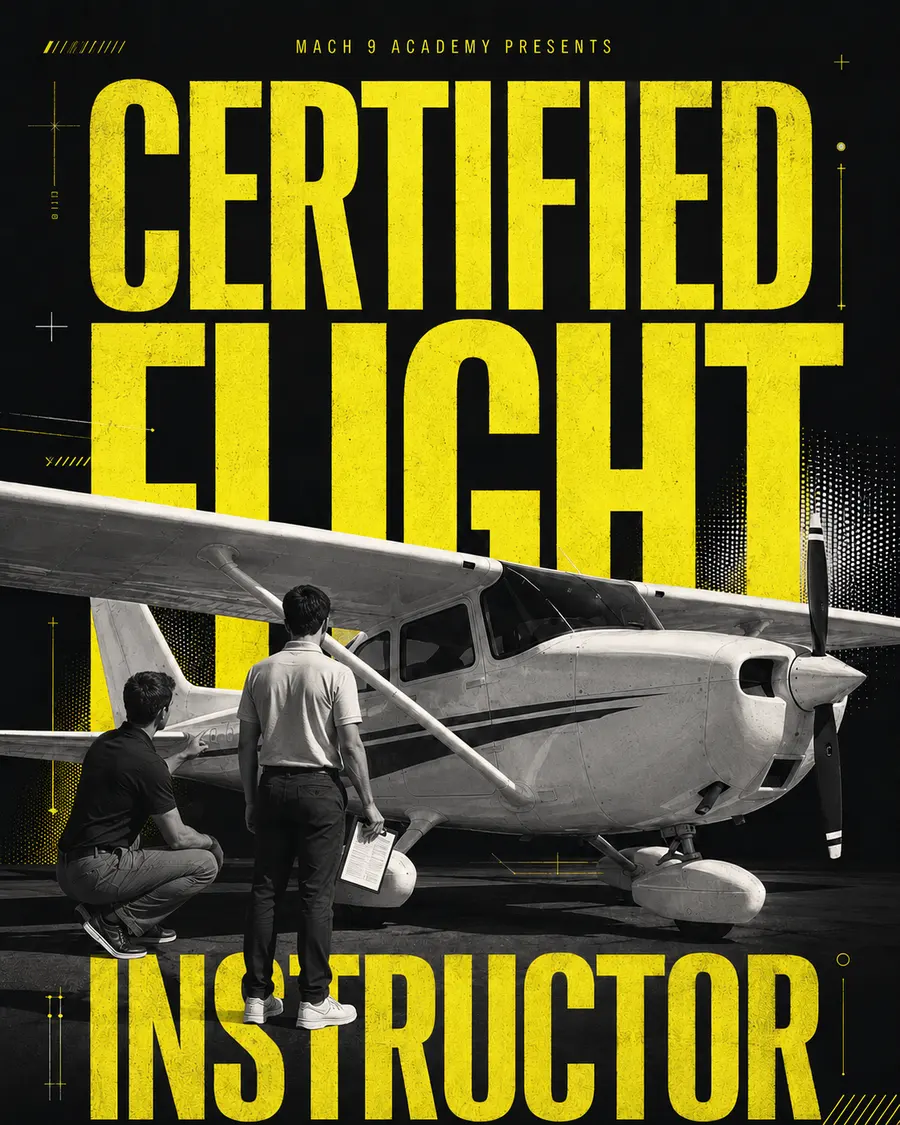
- AviationCertified Flight InstructorTeaches people to fly, and builds their own hours doing it.Licence or certification
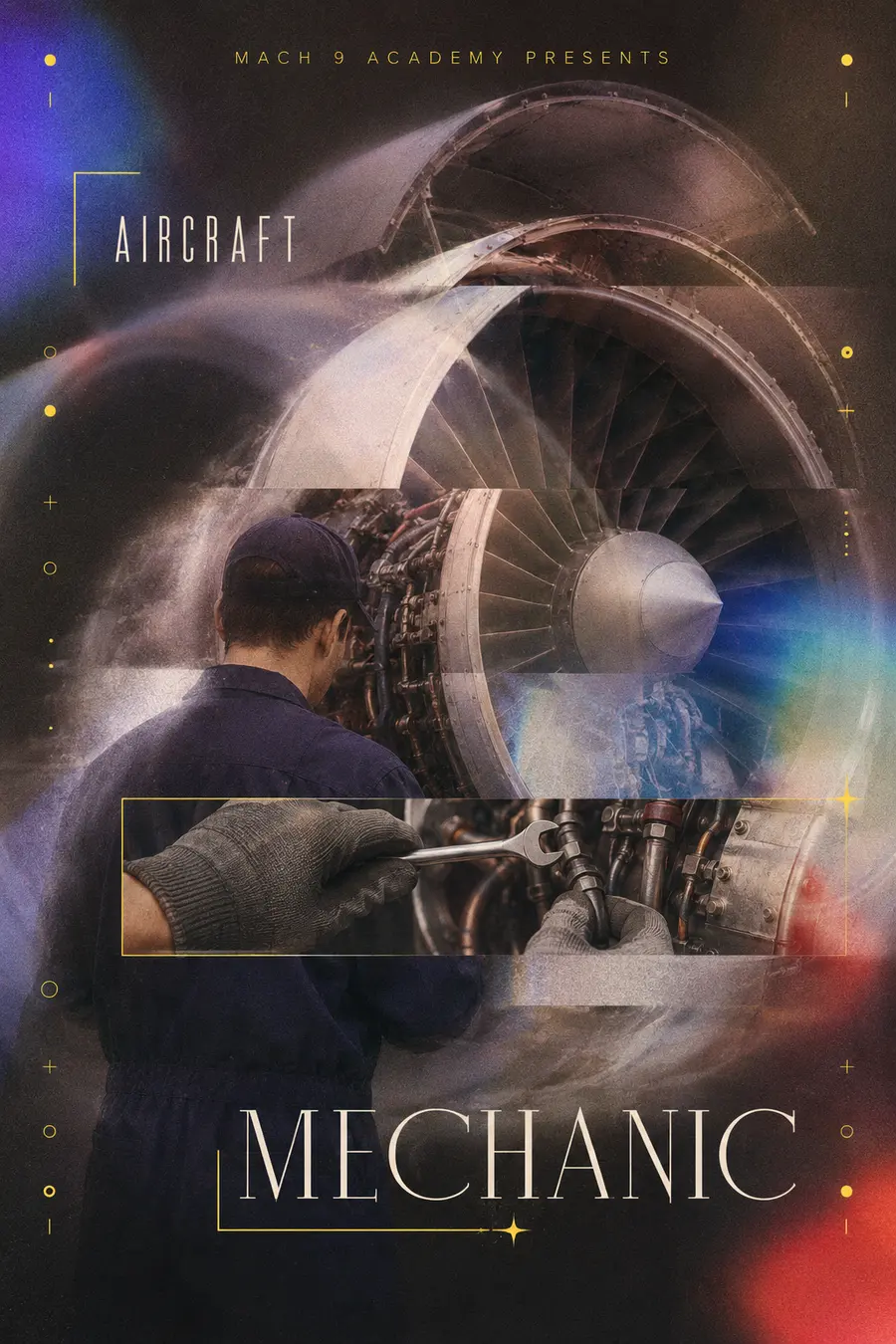
- AviationAircraft MechanicInspects, repairs and signs for the aircraft everybody else flies.Apprenticeship · Licence or certification · Military
- AviationFlight DispatcherPlans the flight, and shares legal responsibility for it with the captain.Licence or certification
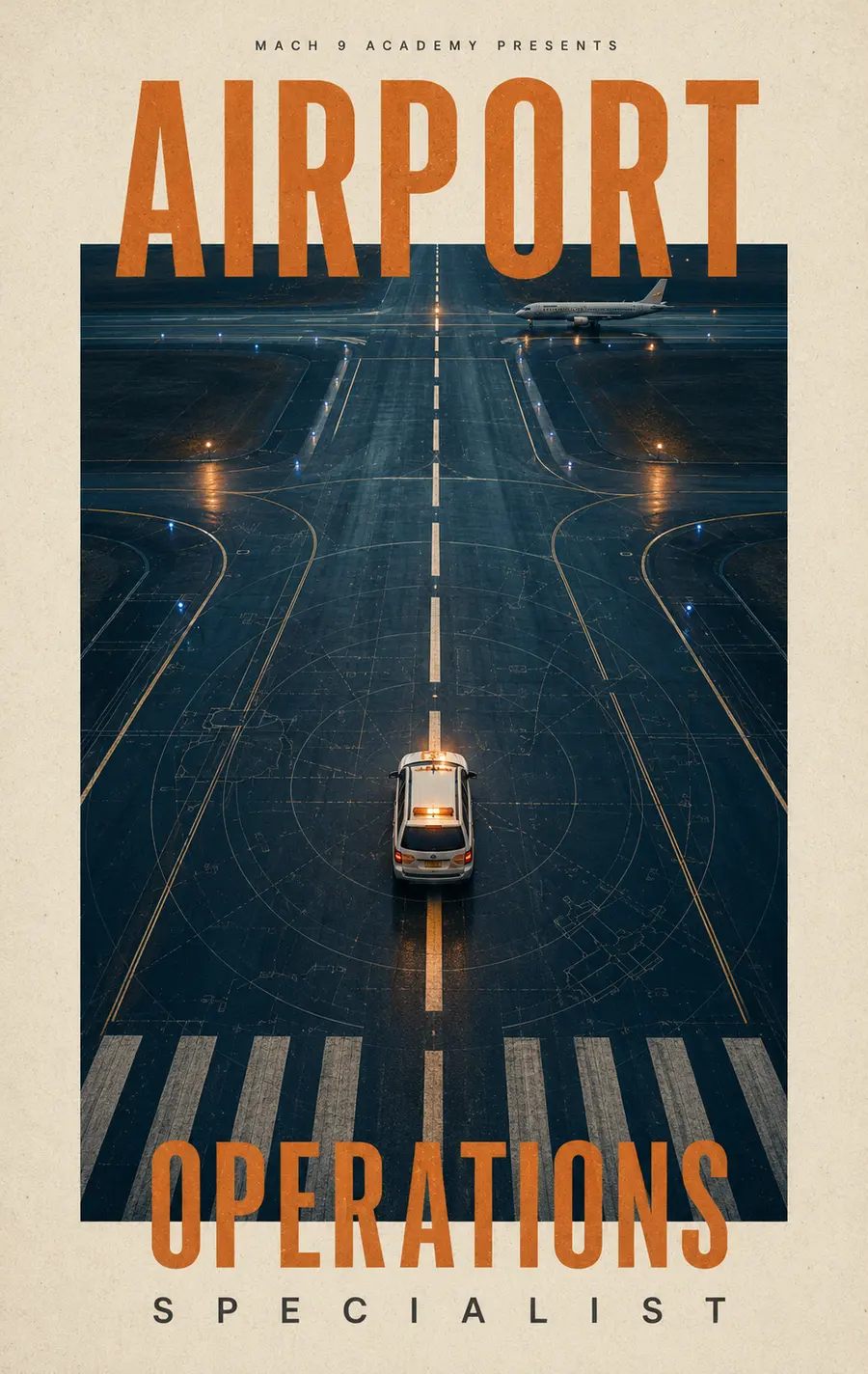
- AviationAirport Operations SpecialistKeeps the airfield itself safe, legal and moving.Degree · Apprenticeship
- AviationAviation MeteorologistTurns the state of the atmosphere into a forecast somebody has to act on.Degree
- AviationAviation Medical ExaminerA doctor who decides whether a pilot is fit to hold a licence.Degree · Licence or certification
- AviationAirline ManagerRuns the parts of an airline that are not the aeroplanes.Degree
- EngineeringMechanical EngineerDesigns the moving, loaded and heated parts of almost everything.Degree · Apprenticeship
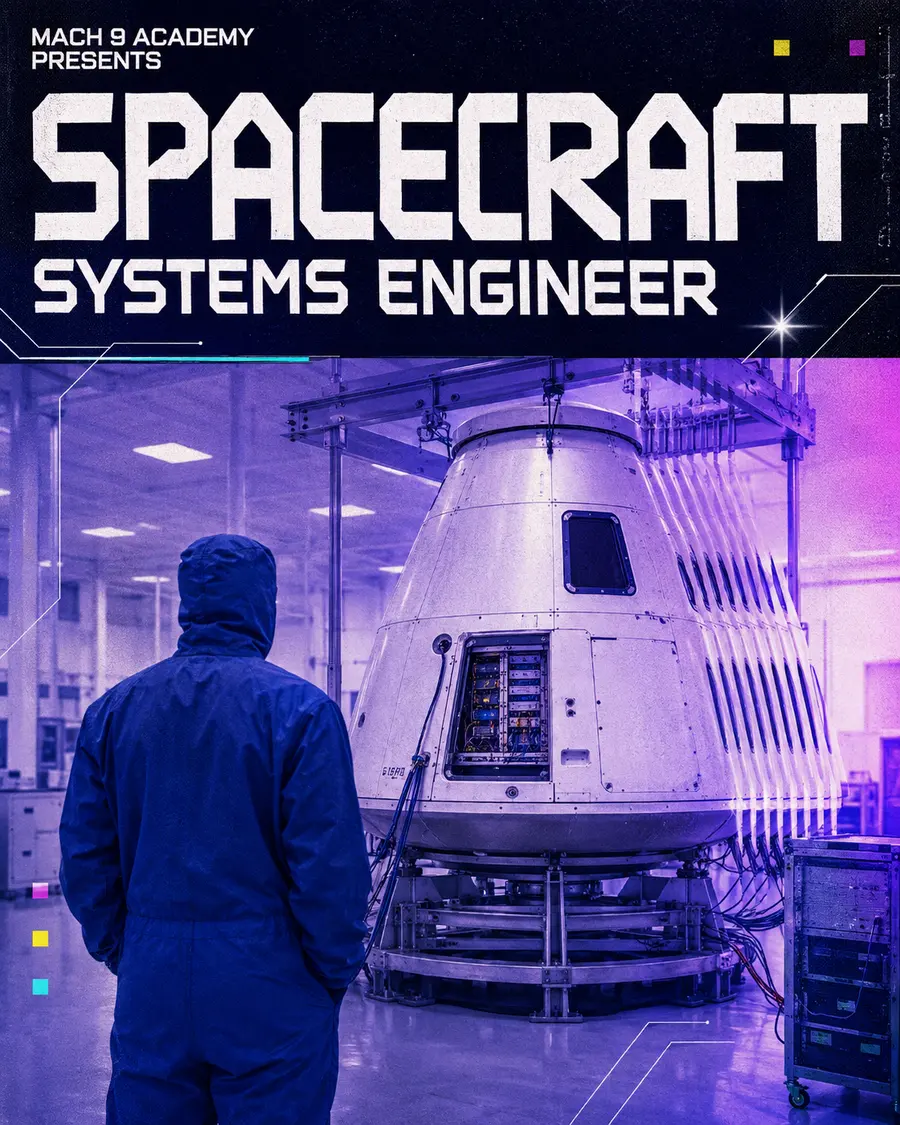
- SpaceSpacecraft Systems EngineerOwns how the whole spacecraft fits together, not any one part of it.Degree
- AerospaceAerospace EngineerDesigns and tests the vehicles that fly through atmosphere and vacuum.Degree · Military
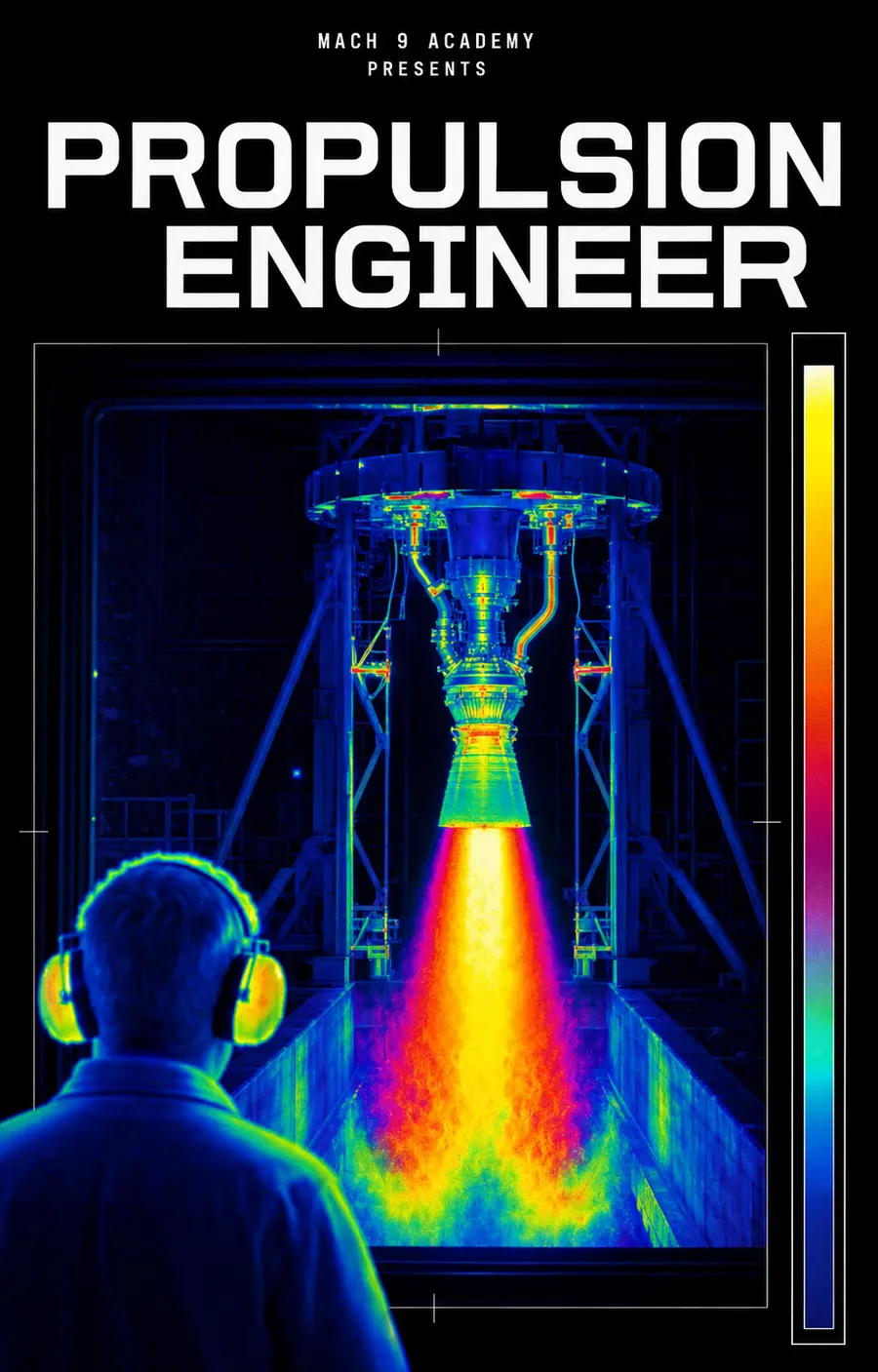
- AerospacePropulsion EngineerDevelops engines and the test campaigns that prove they survive.Degree
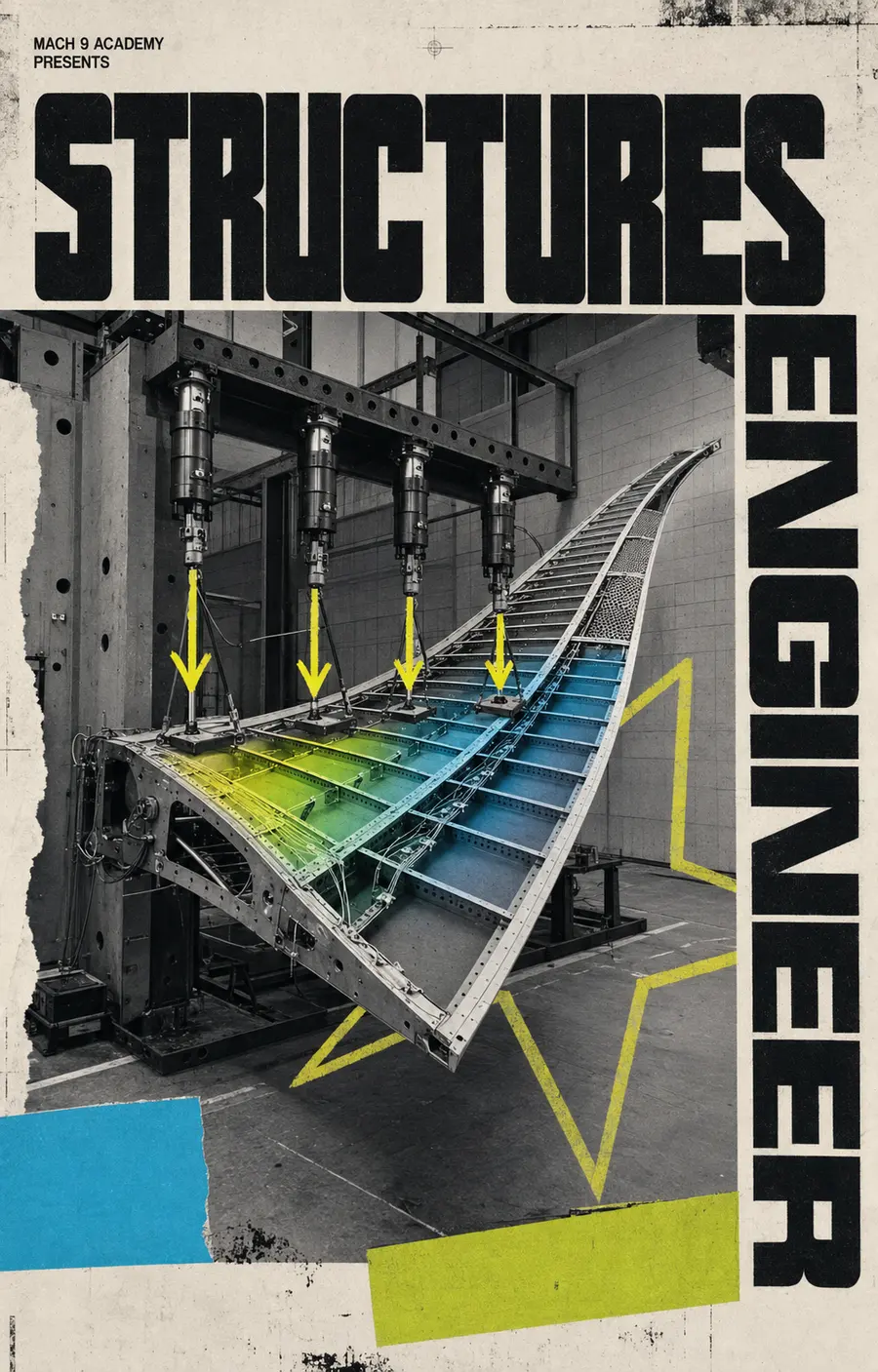
- EngineeringStructures EngineerMakes sure the thing holds together under every load it will see.Degree · Apprenticeship
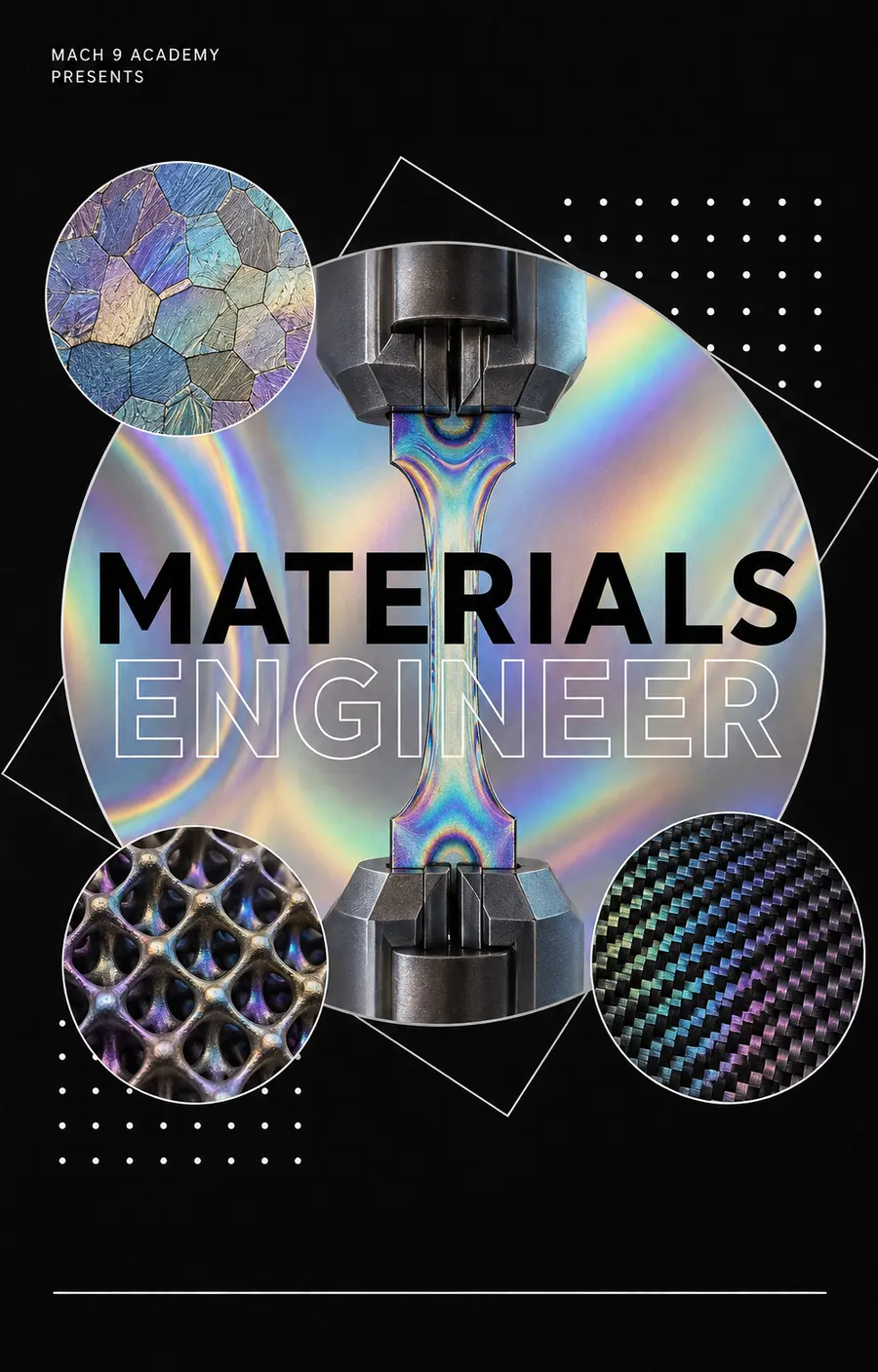
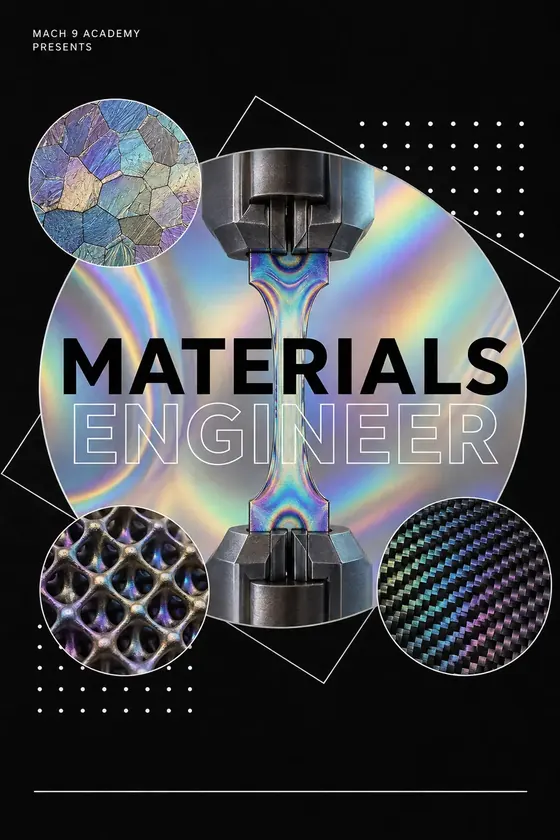
- EngineeringMaterials EngineerChooses and characterises what things are made of, so parts survive heat, load and time.Degree
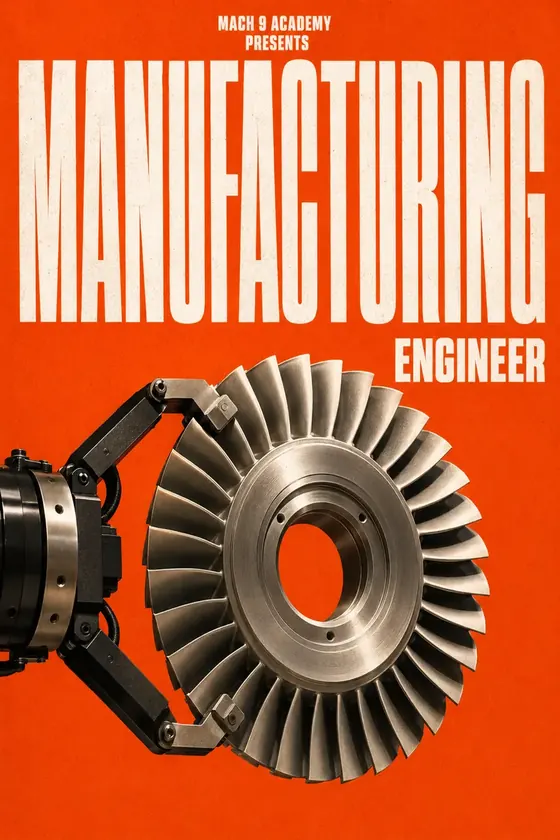
- EngineeringManufacturing EngineerWorks out how a design gets built, repeatably and on time.Degree · Apprenticeship
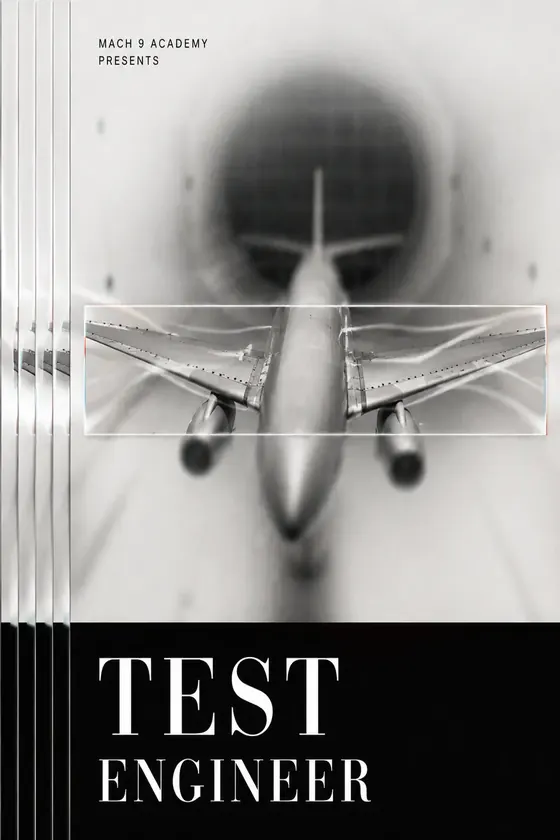
- EngineeringTest EngineerDesigns the experiment that decides whether the analysis was right.Degree · Apprenticeship · Military
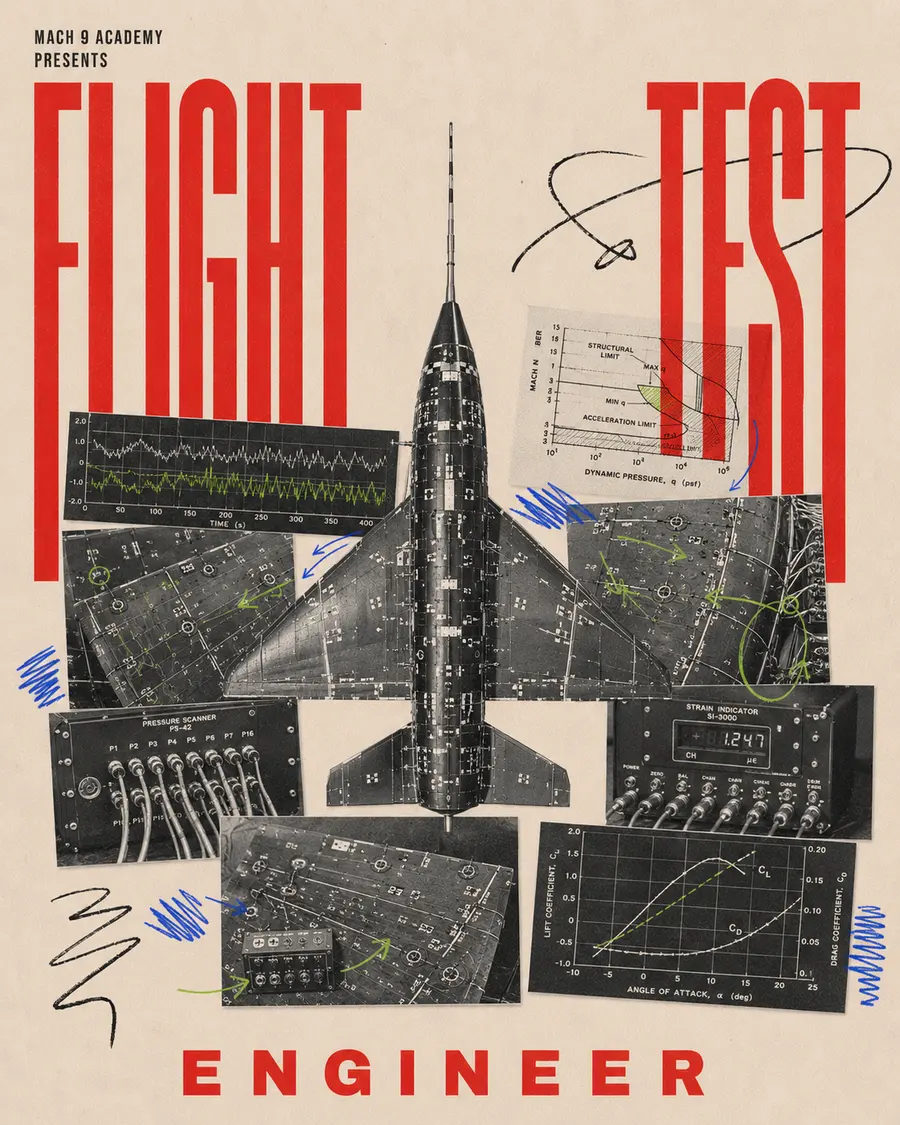
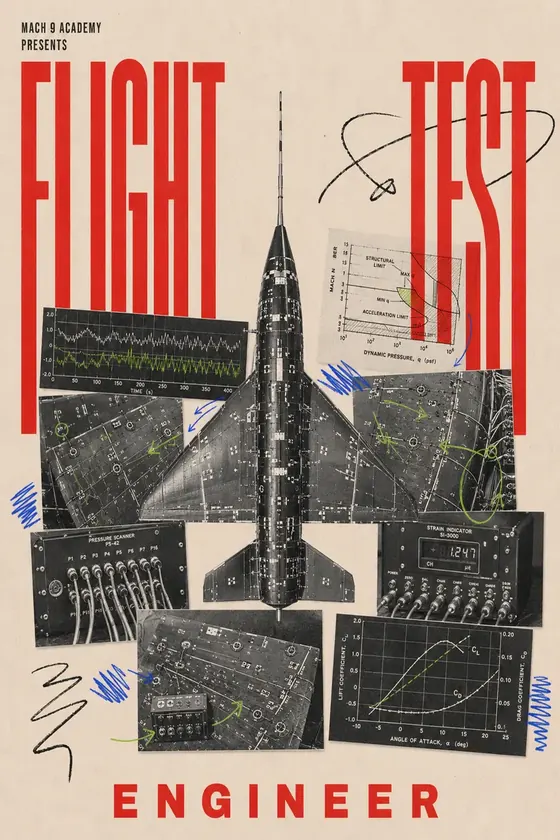
- AviationFlight Test EngineerPlans and flies the tests that expand what an aircraft is cleared to do.Degree · Military
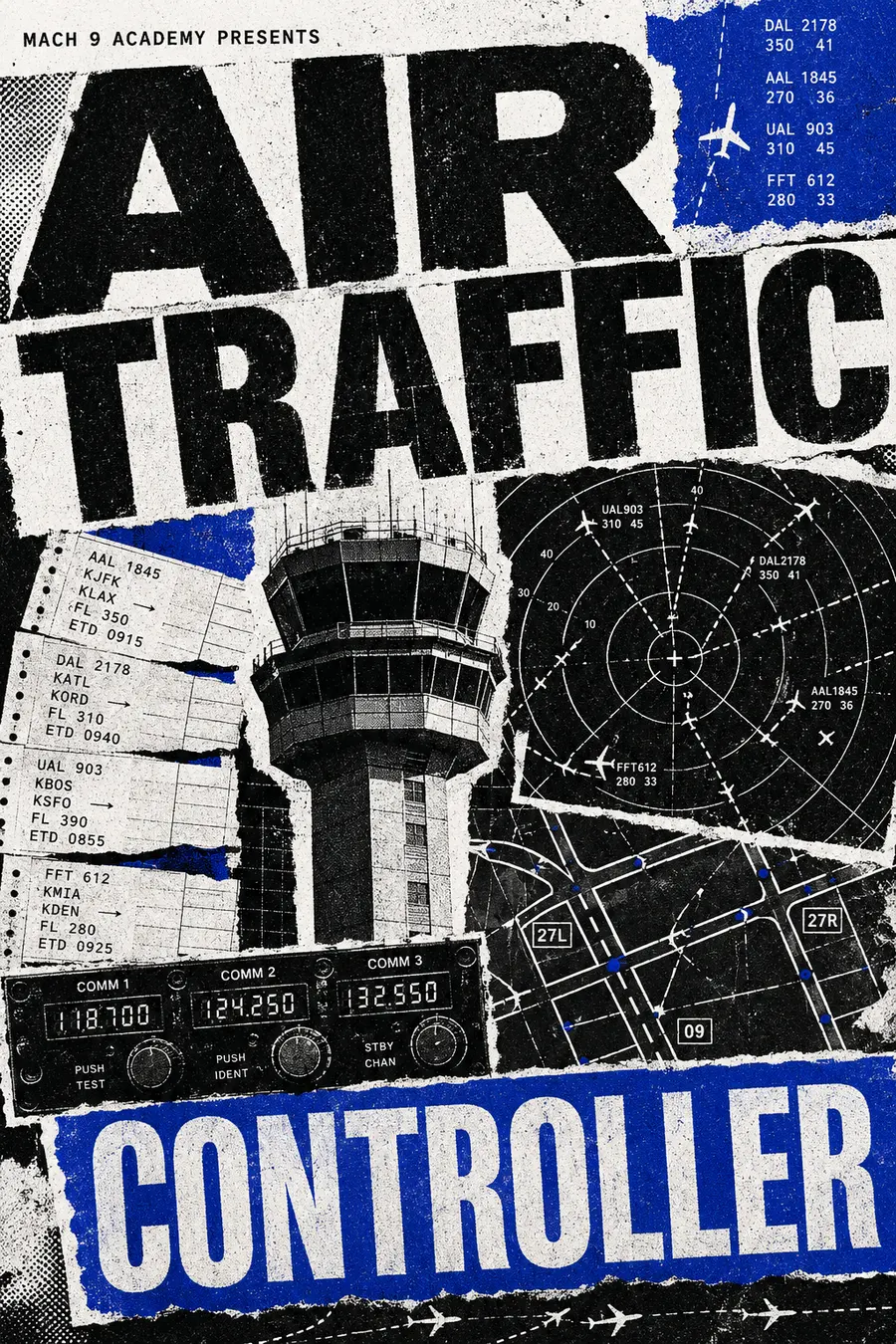
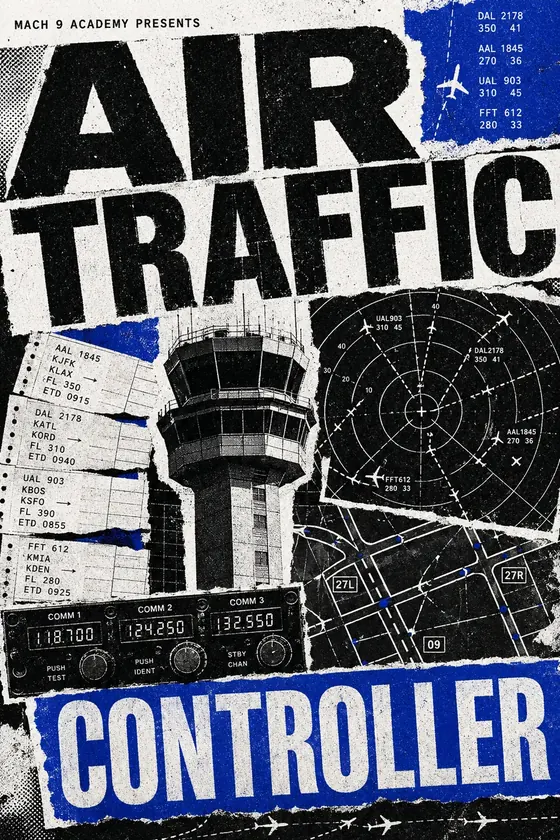
- AviationAir Traffic ControllerSequences and separates aircraft in real time. No degree required.Licence or certification
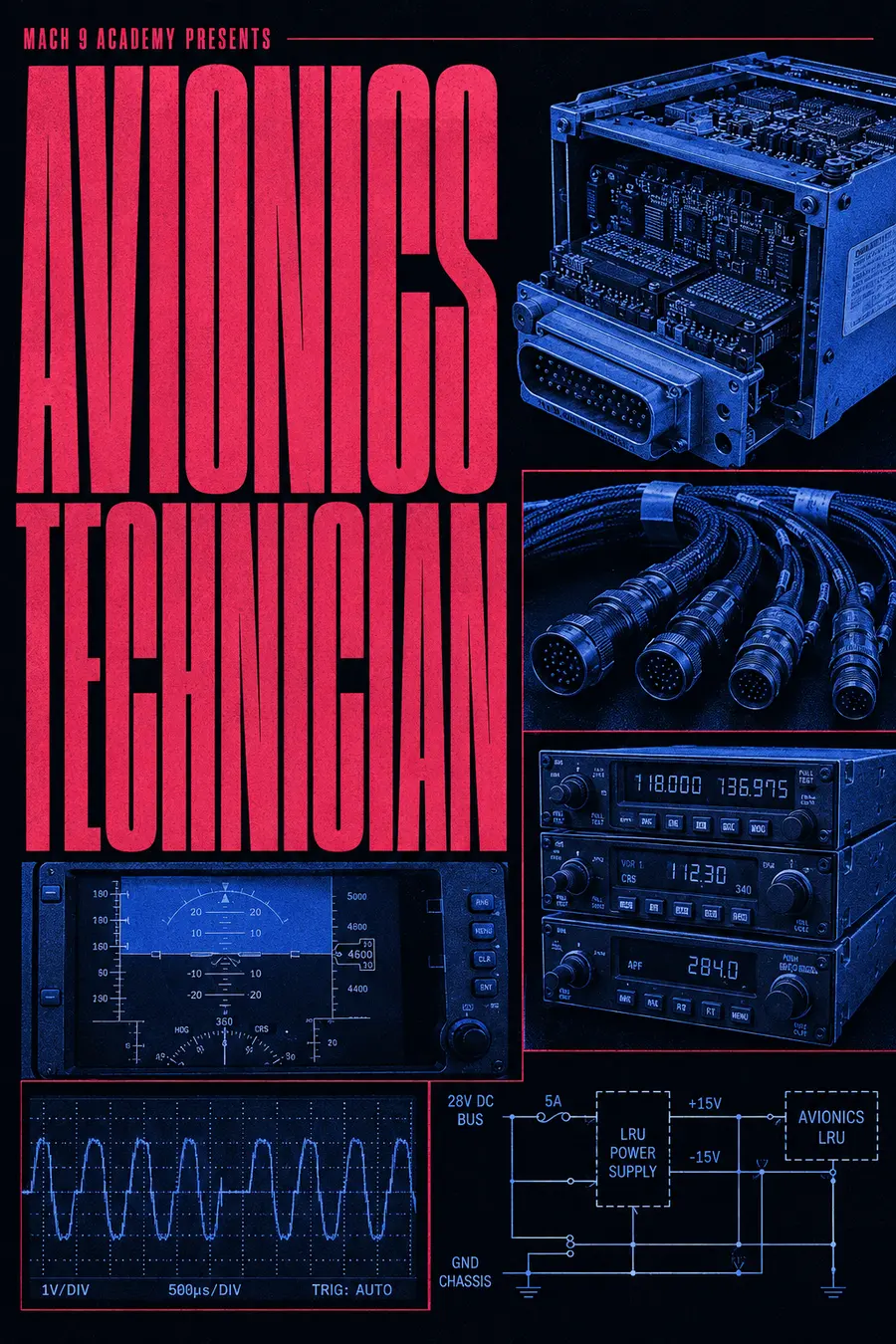
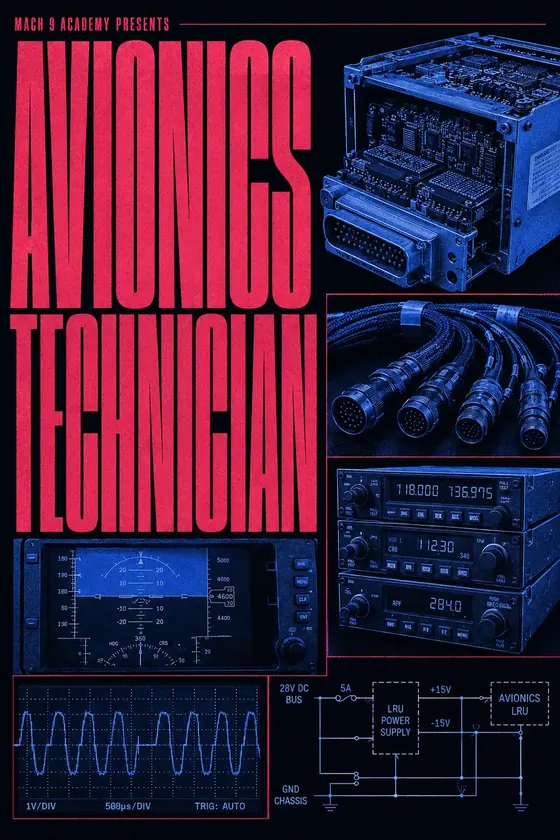
- AviationAvionics TechnicianInstalls, diagnoses and repairs the electronic systems an aircraft depends on.Apprenticeship · Licence or certification · Military
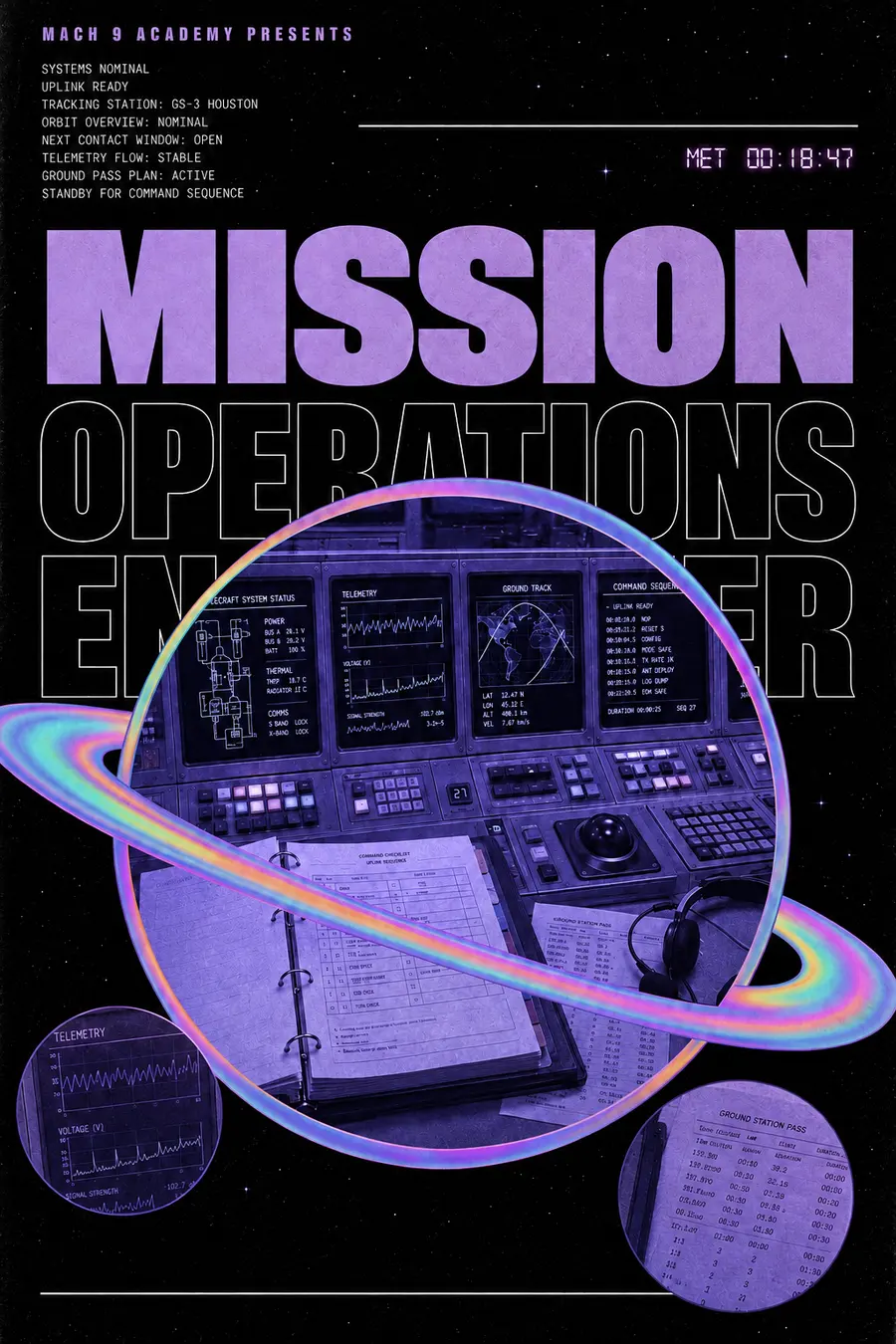
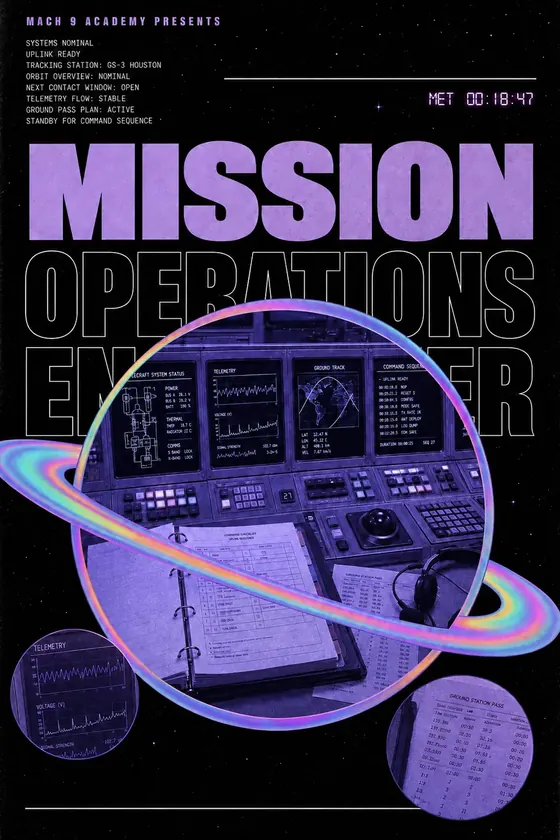
- SpaceMission Operations EngineerFlies the spacecraft after launch and responds when something goes wrong.Degree · Military
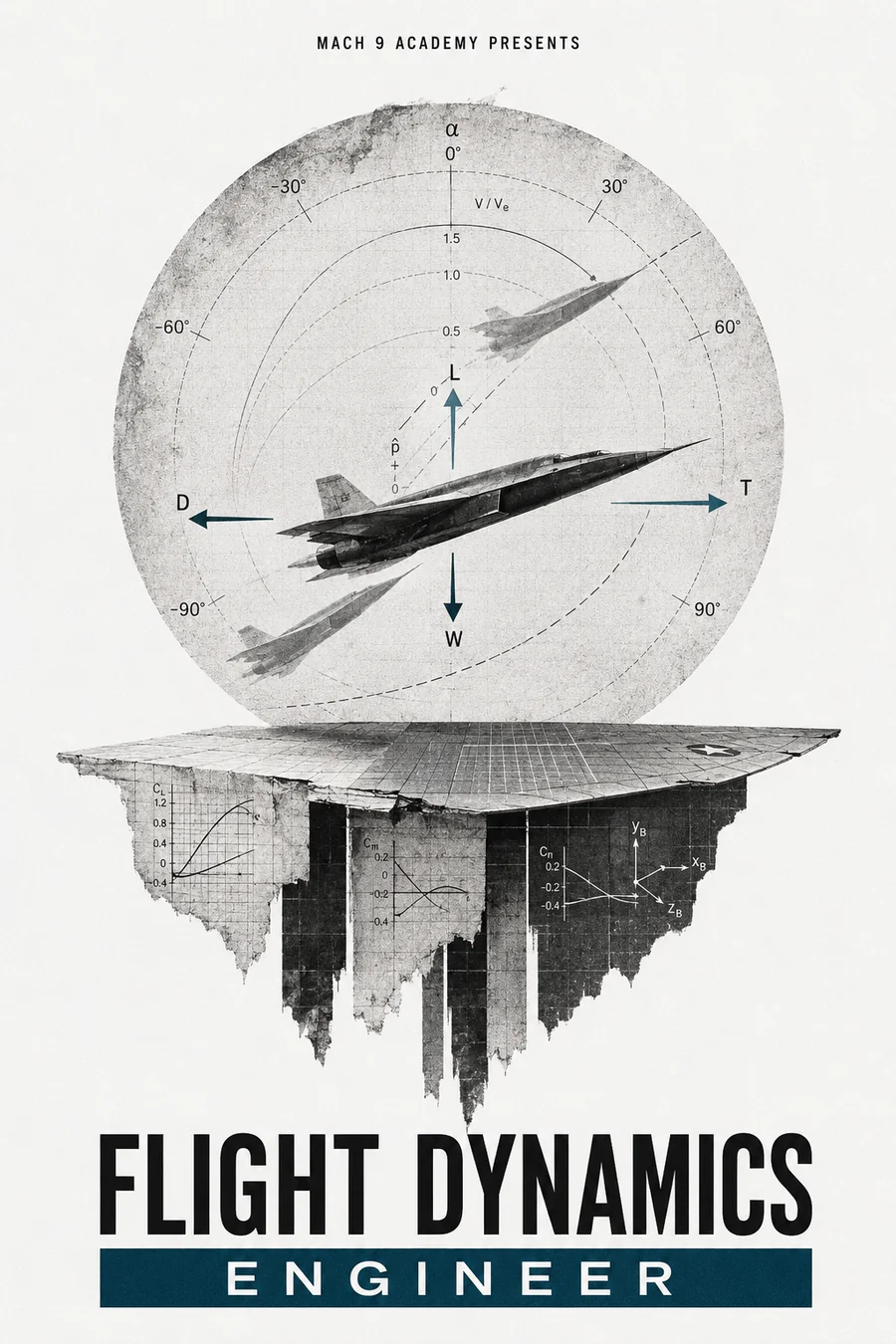
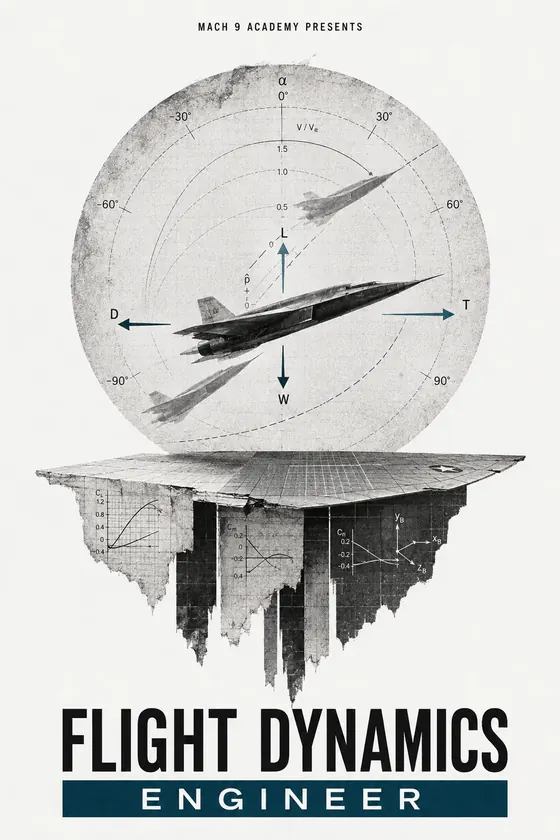
- SpaceFlight Dynamics EngineerWorks out where the spacecraft is, and where it will be.Degree
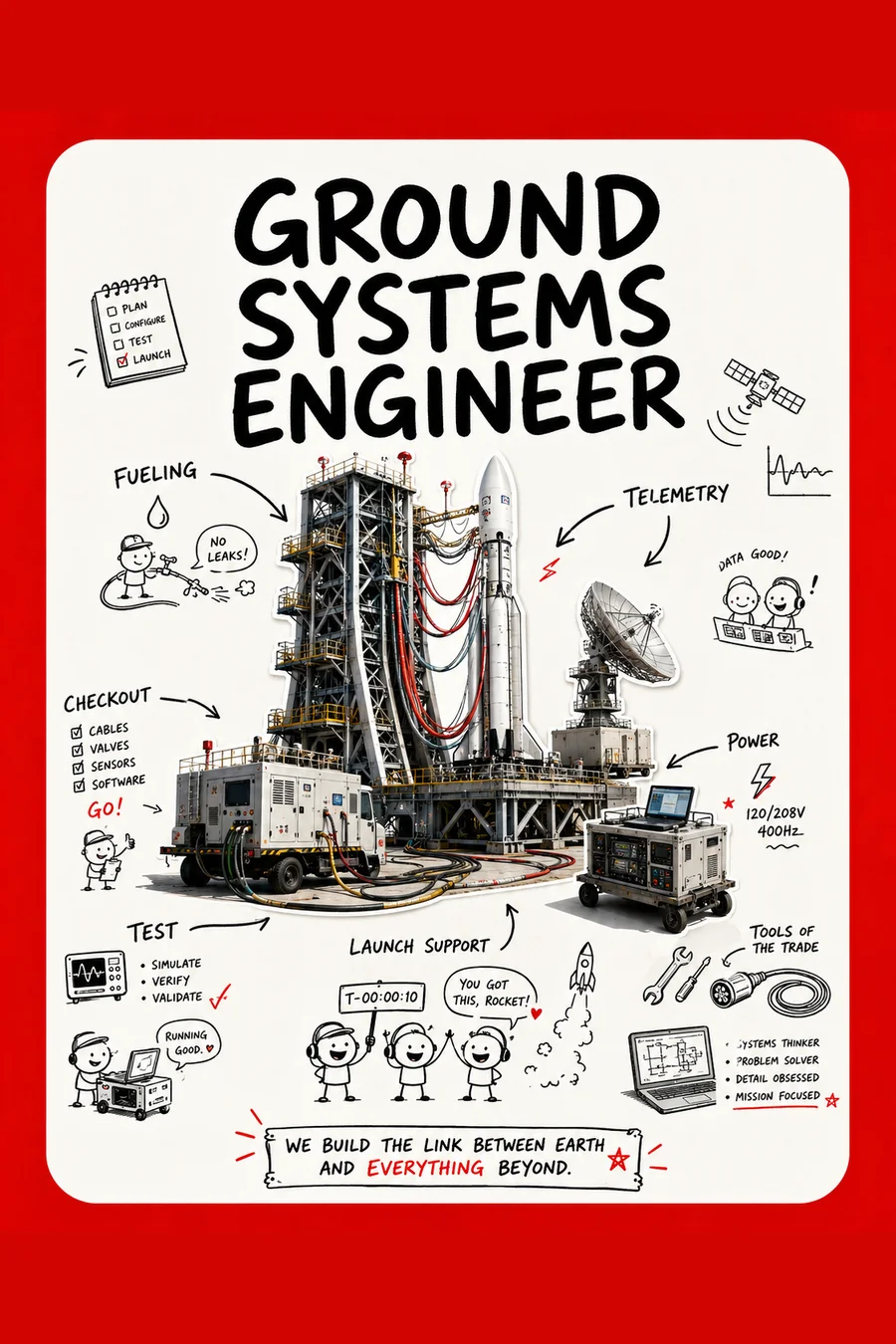
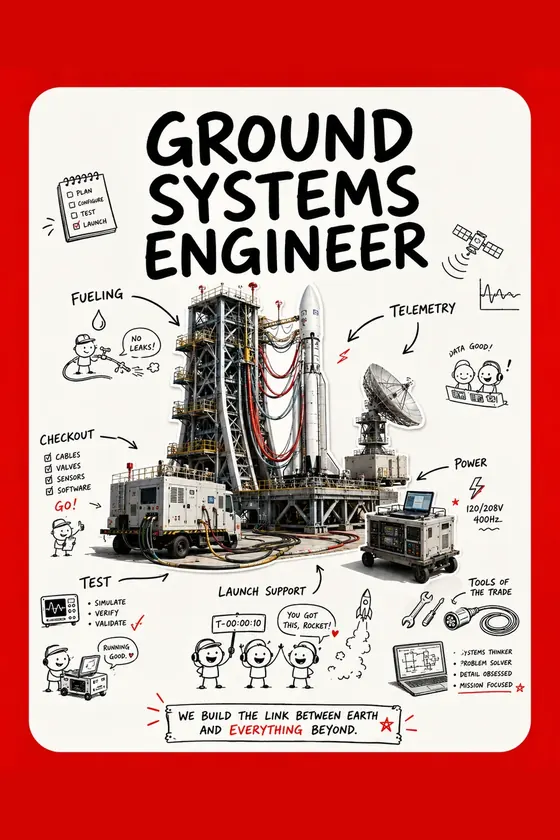
- SpaceGround Systems EngineerBuilds the antennas, networks and software that talk to spacecraft.Degree · Apprenticeship
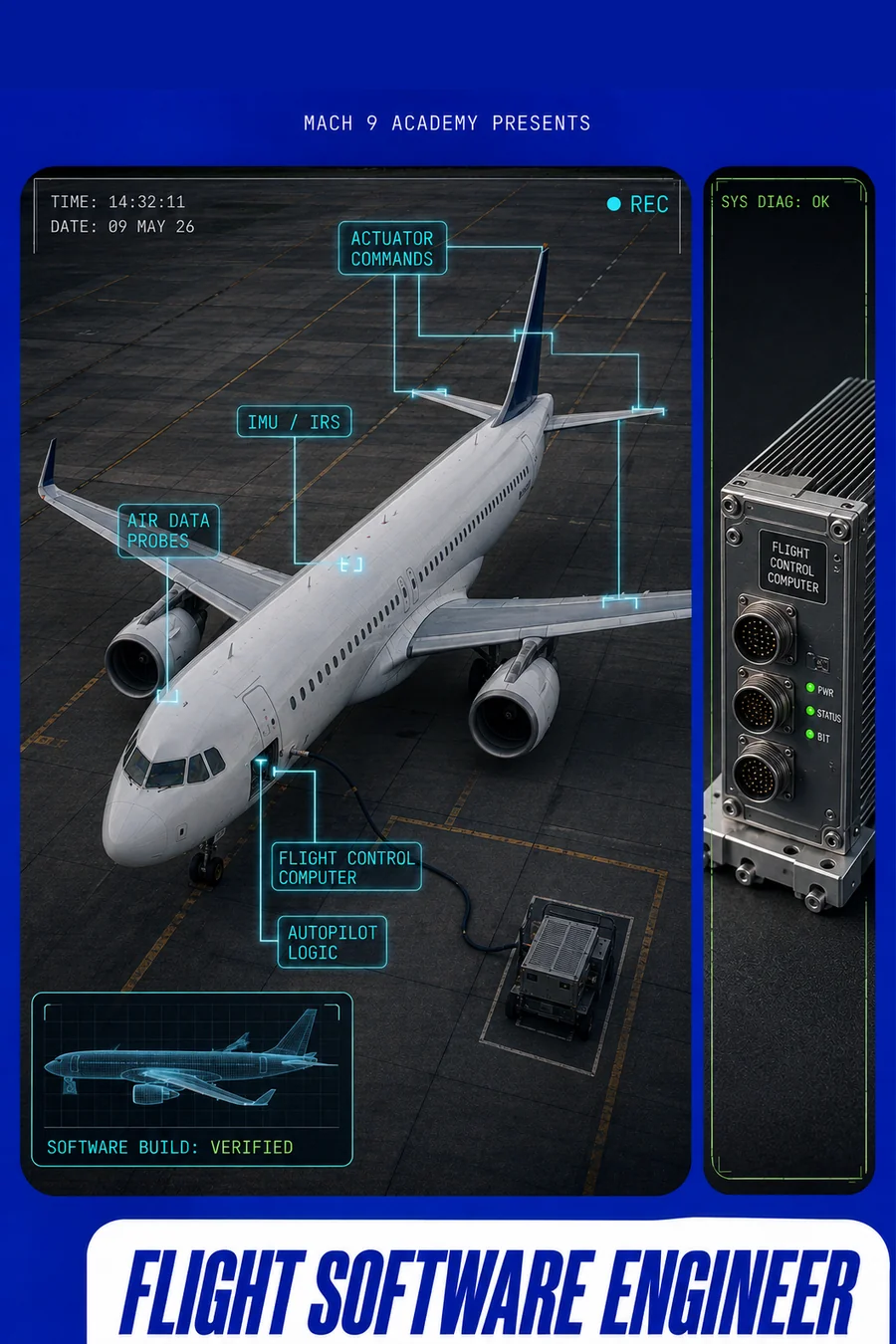
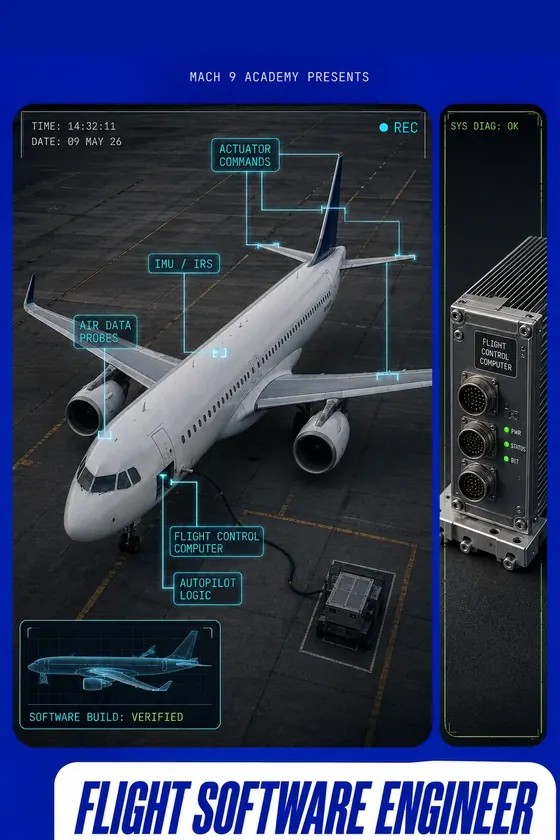
- TechnologyFlight Software EngineerWrites the code that has to work the first time, every time.Degree · Licence or certification
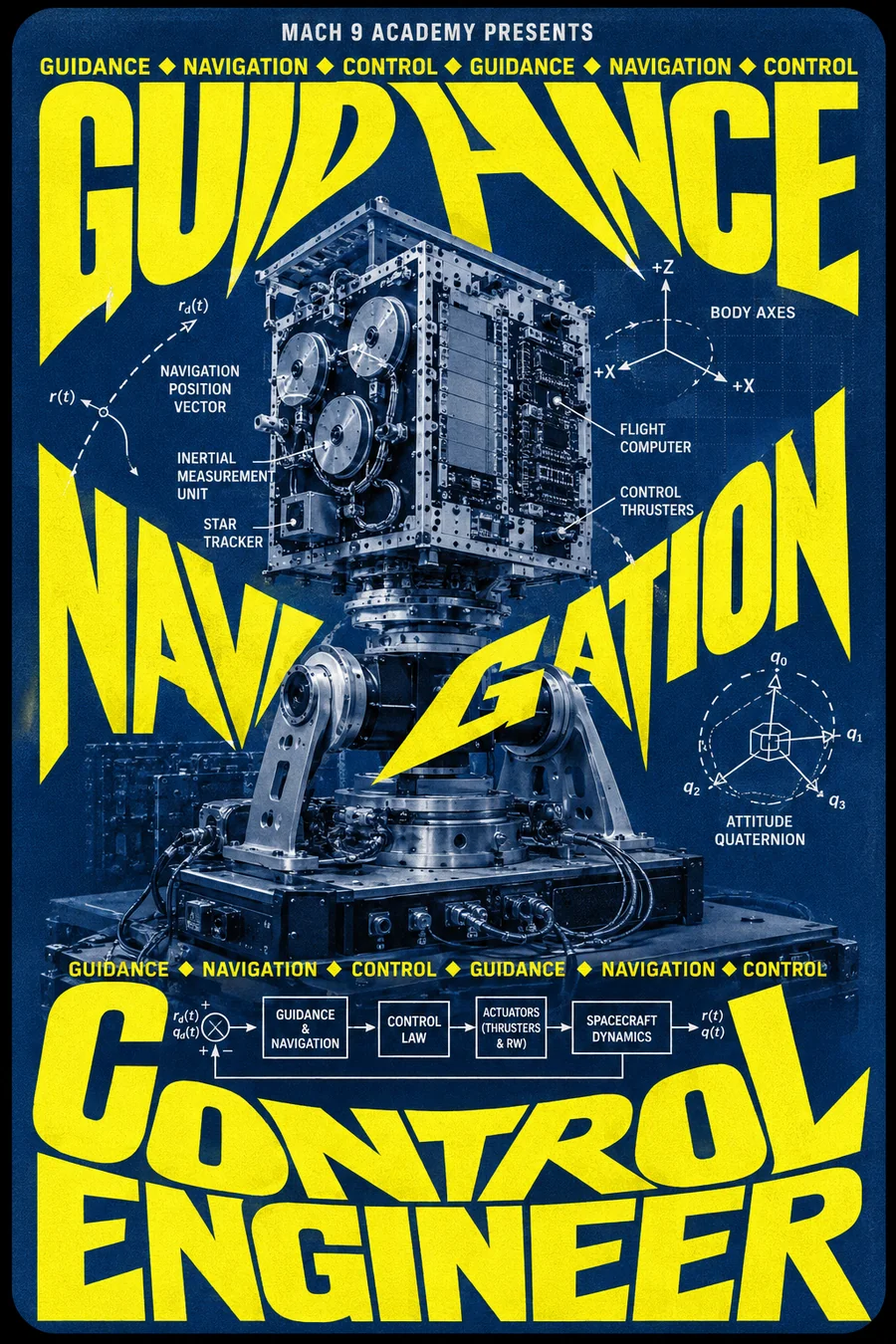
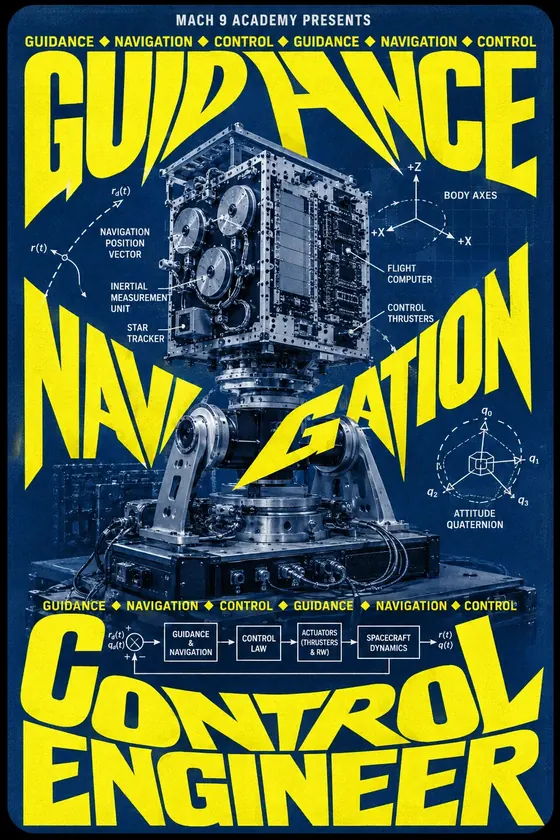
- TechnologyGuidance, Navigation and Control EngineerDesigns the loops that decide where the vehicle points and goes.Degree
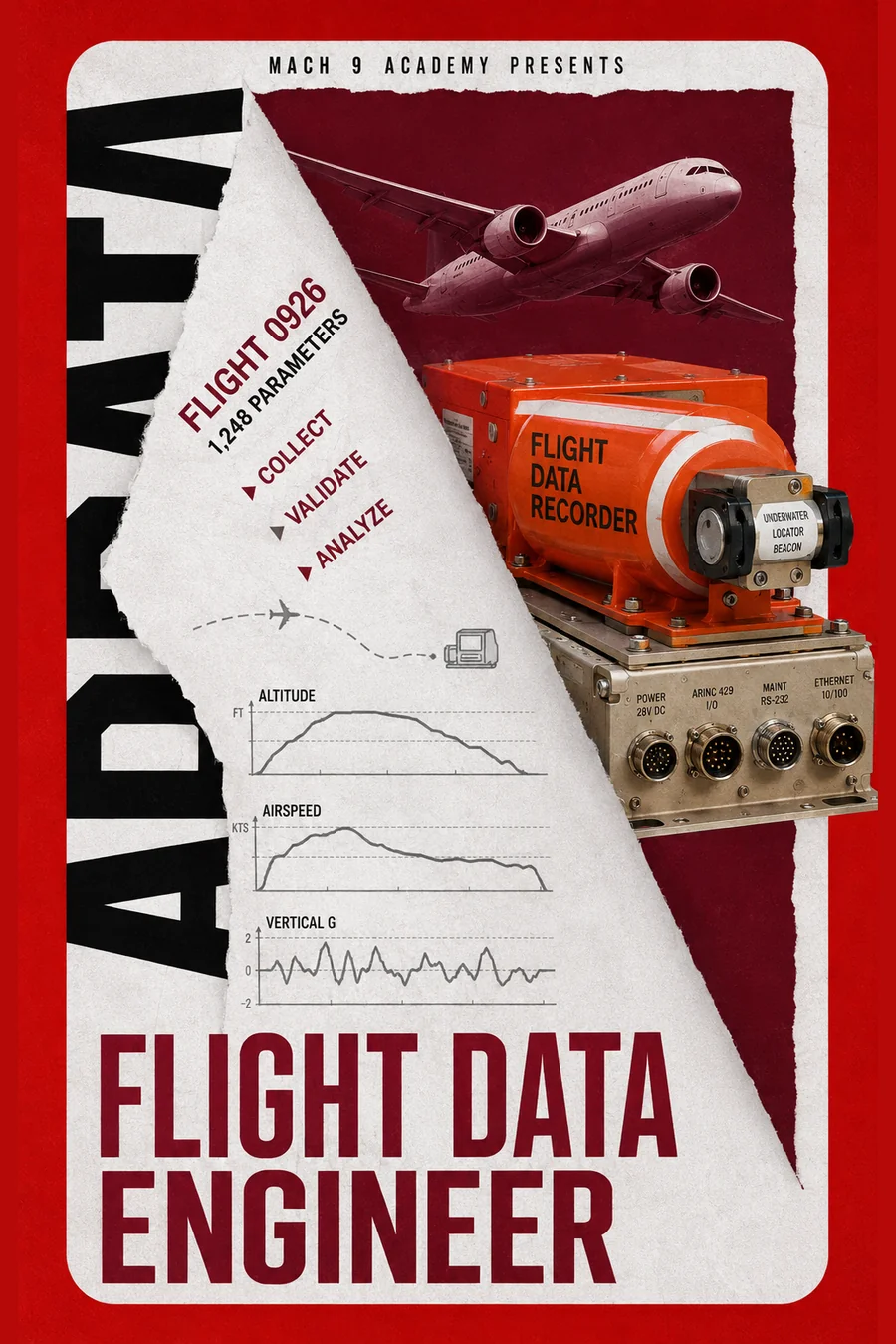
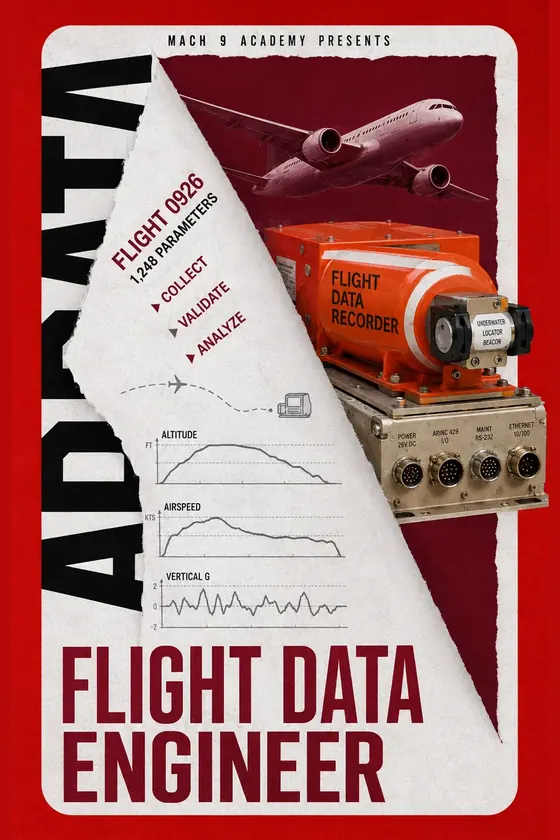
- TechnologyFlight Data EngineerTurns terabytes of test and flight signals into engineering answers.Degree · Licence or certification
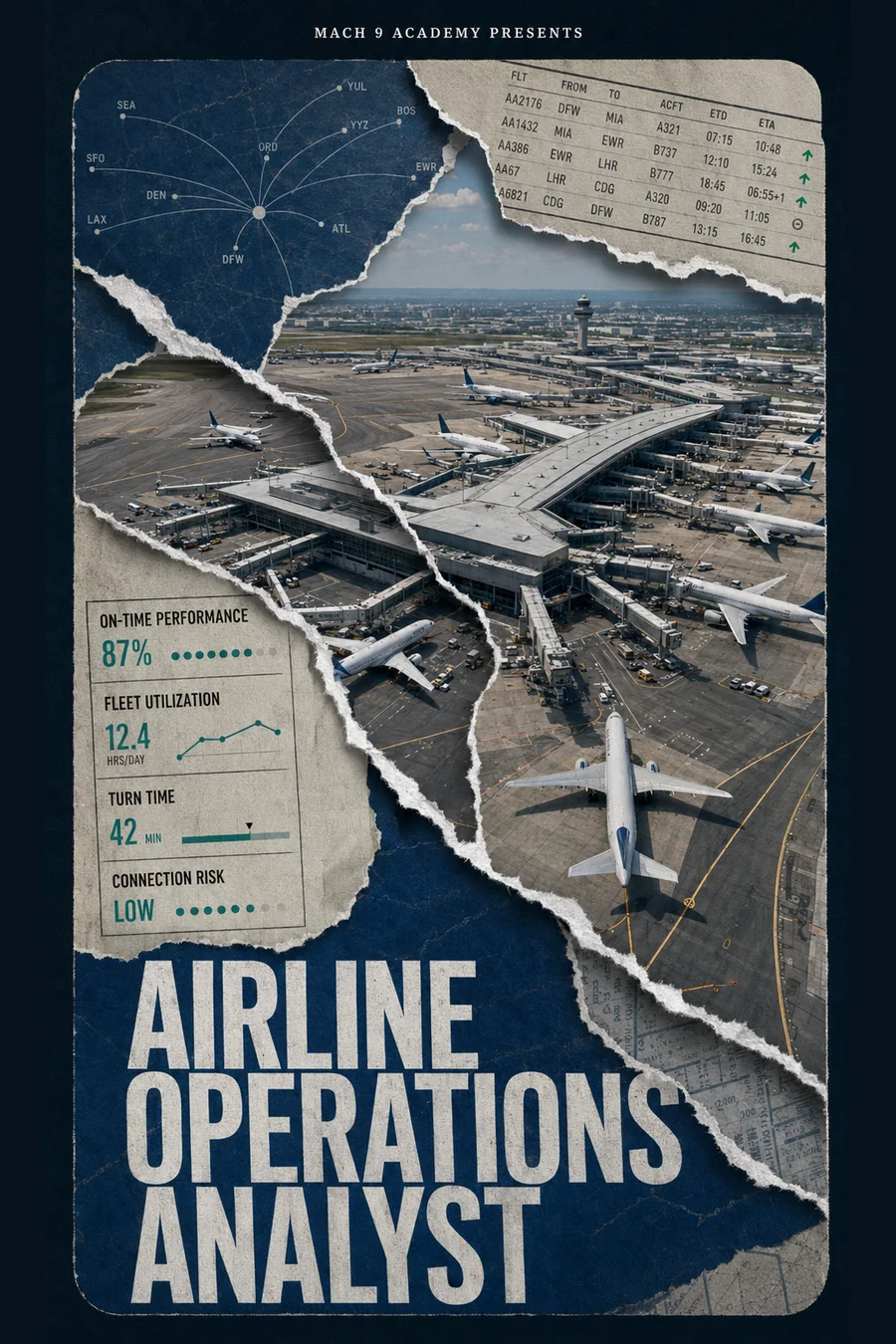
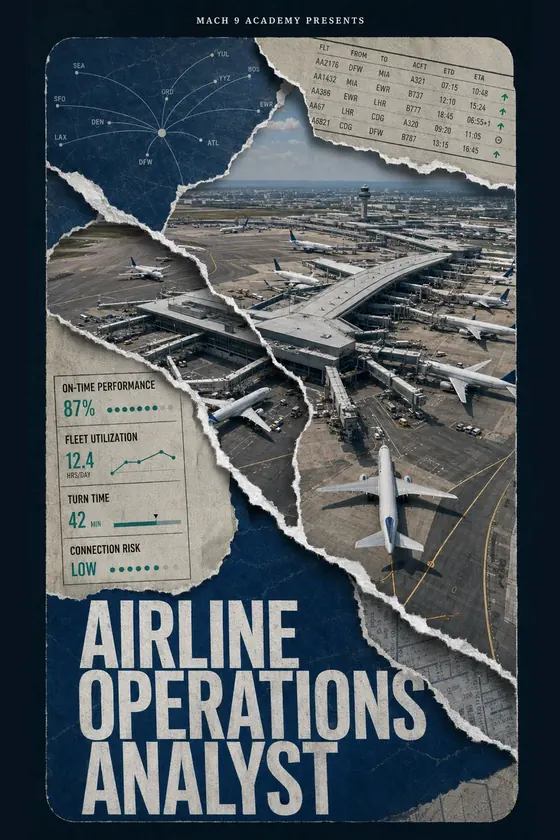
- AviationAirline Operations AnalystKeeps a fleet, a crew roster and a schedule all working at once.Degree · Licence or certification
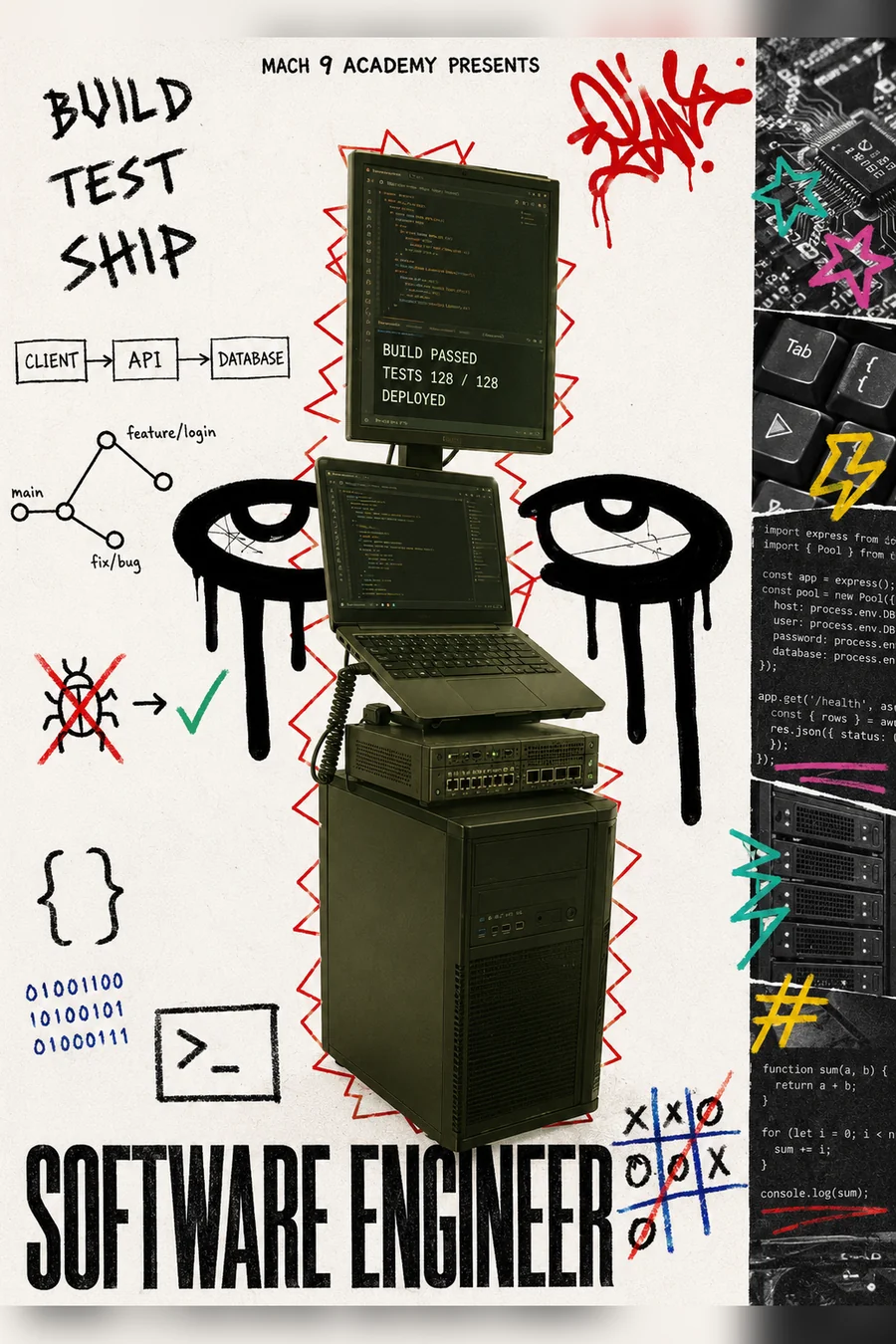
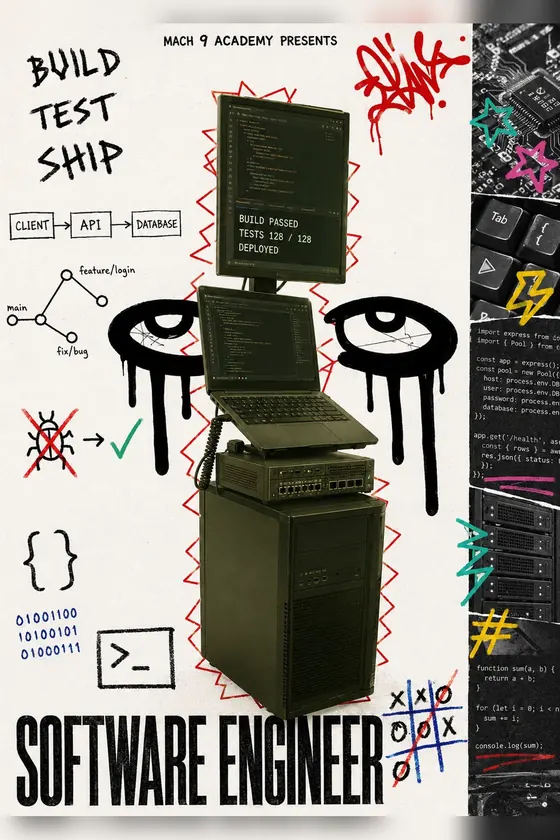
- TechnologySoftware EngineerBuilds the systems everything else runs on, in any industry that needs one.Degree · Licence or certification
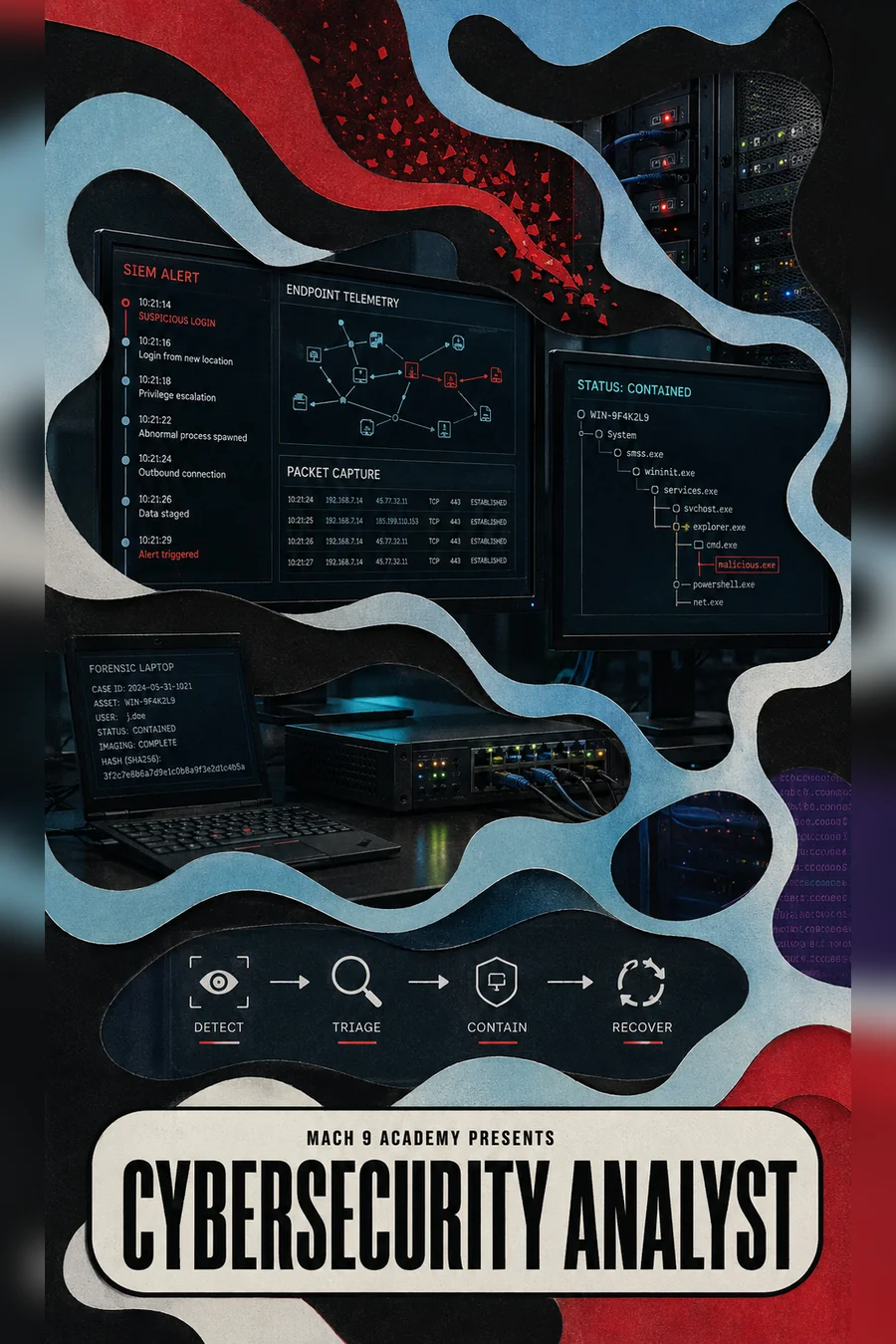
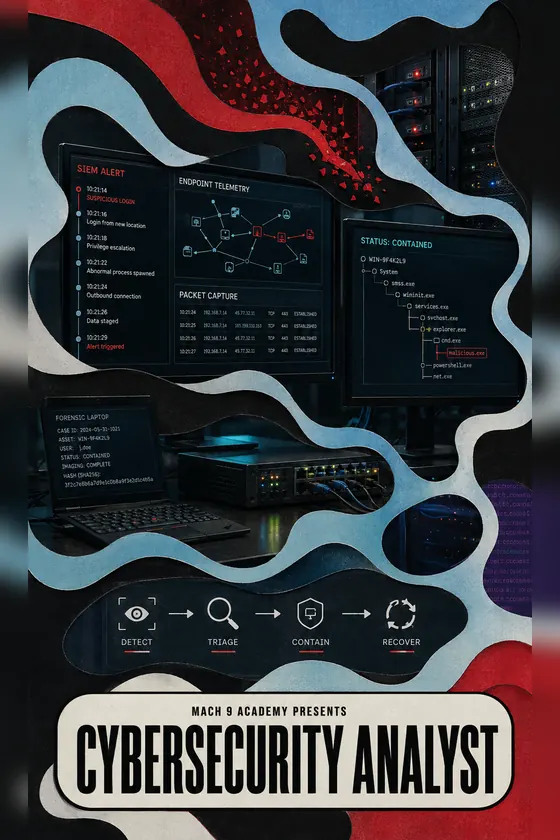
- TechnologyCybersecurity AnalystWatches for the break-in, and builds the systems that make one harder.Degree · Licence or certification
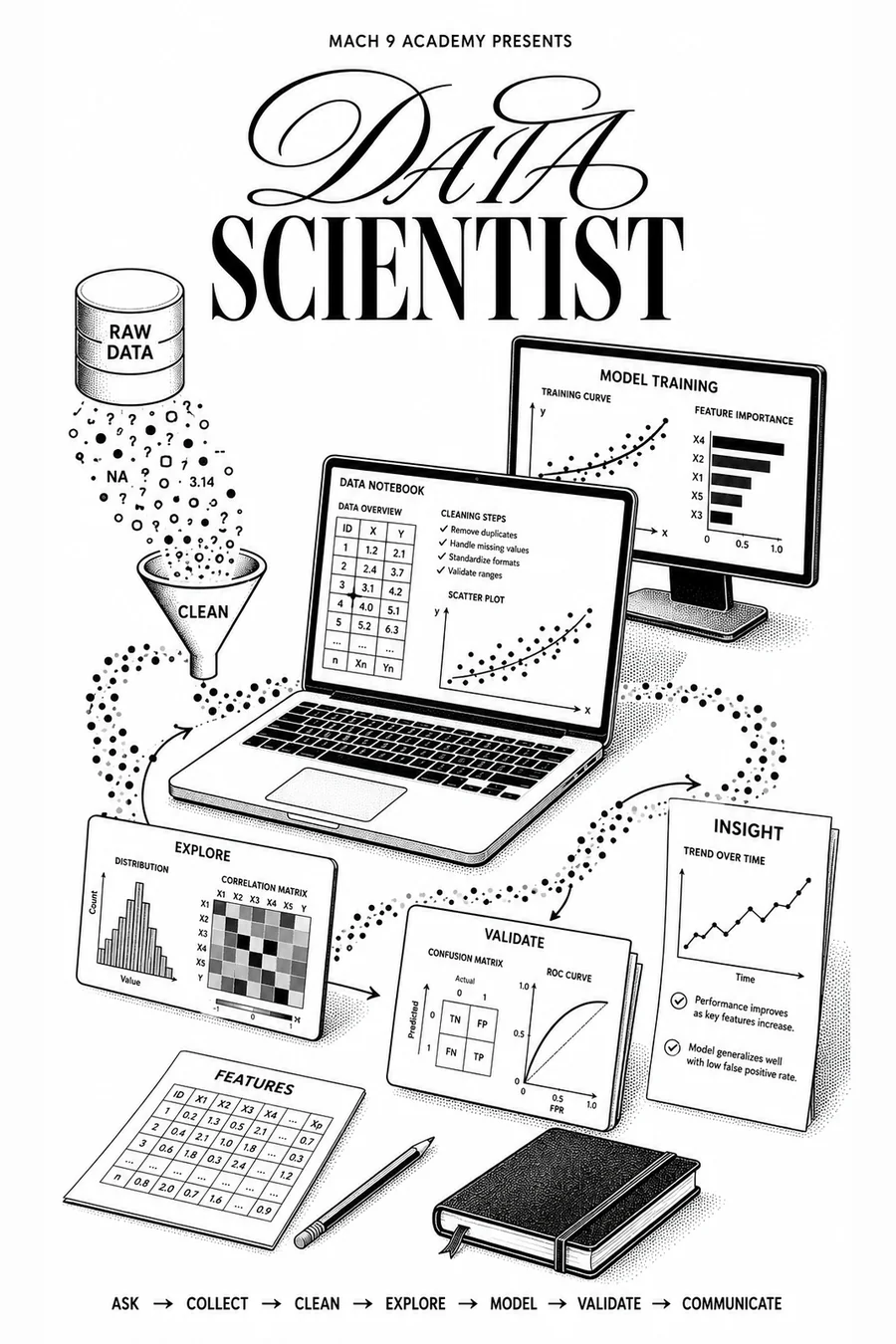
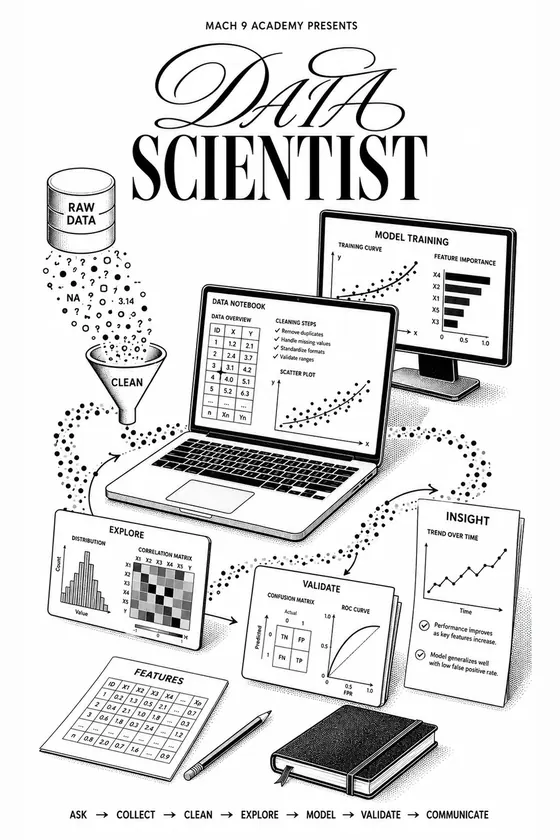
- TechnologyData ScientistTurns a company’s raw data into the model that decides what happens next.Degree
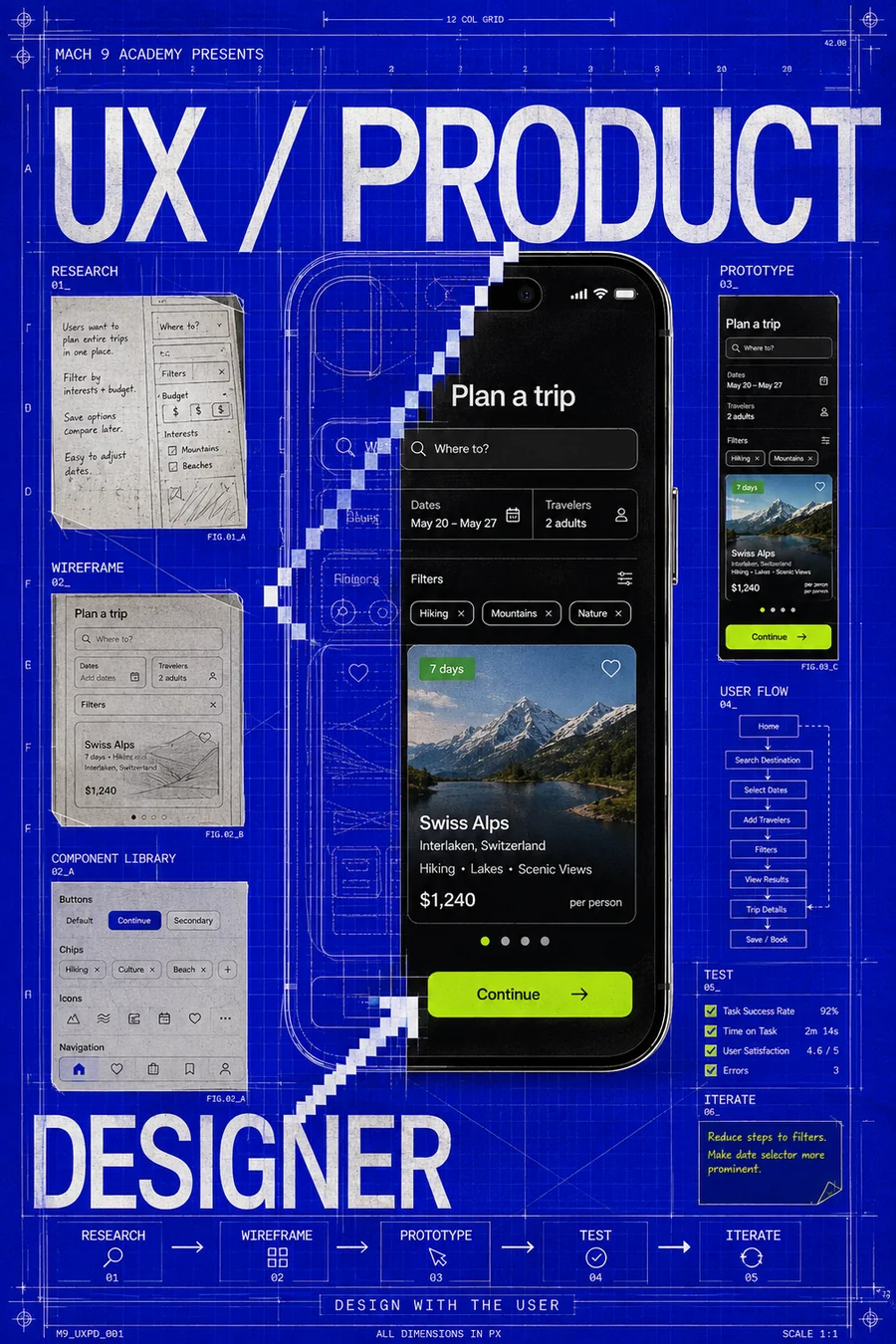
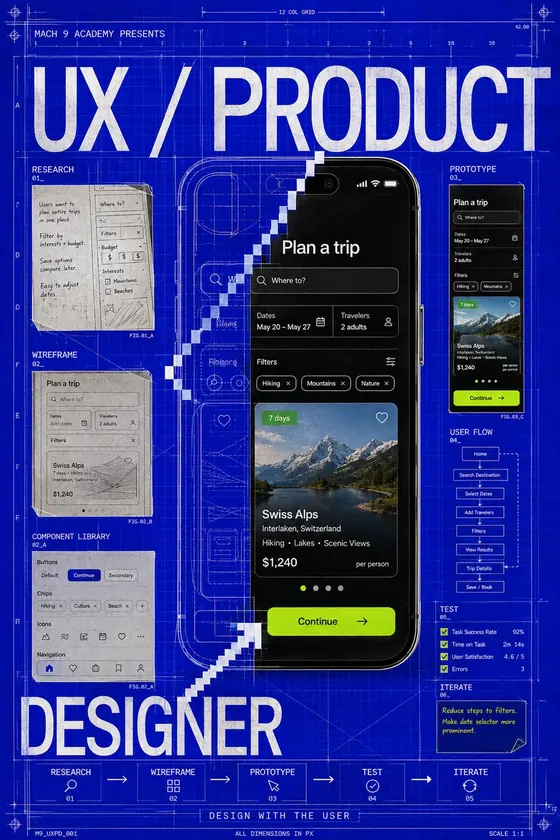
- TechnologyUX / Product DesignerDecides what a screen should do before anyone writes the code that does it.Degree · Licence or certification
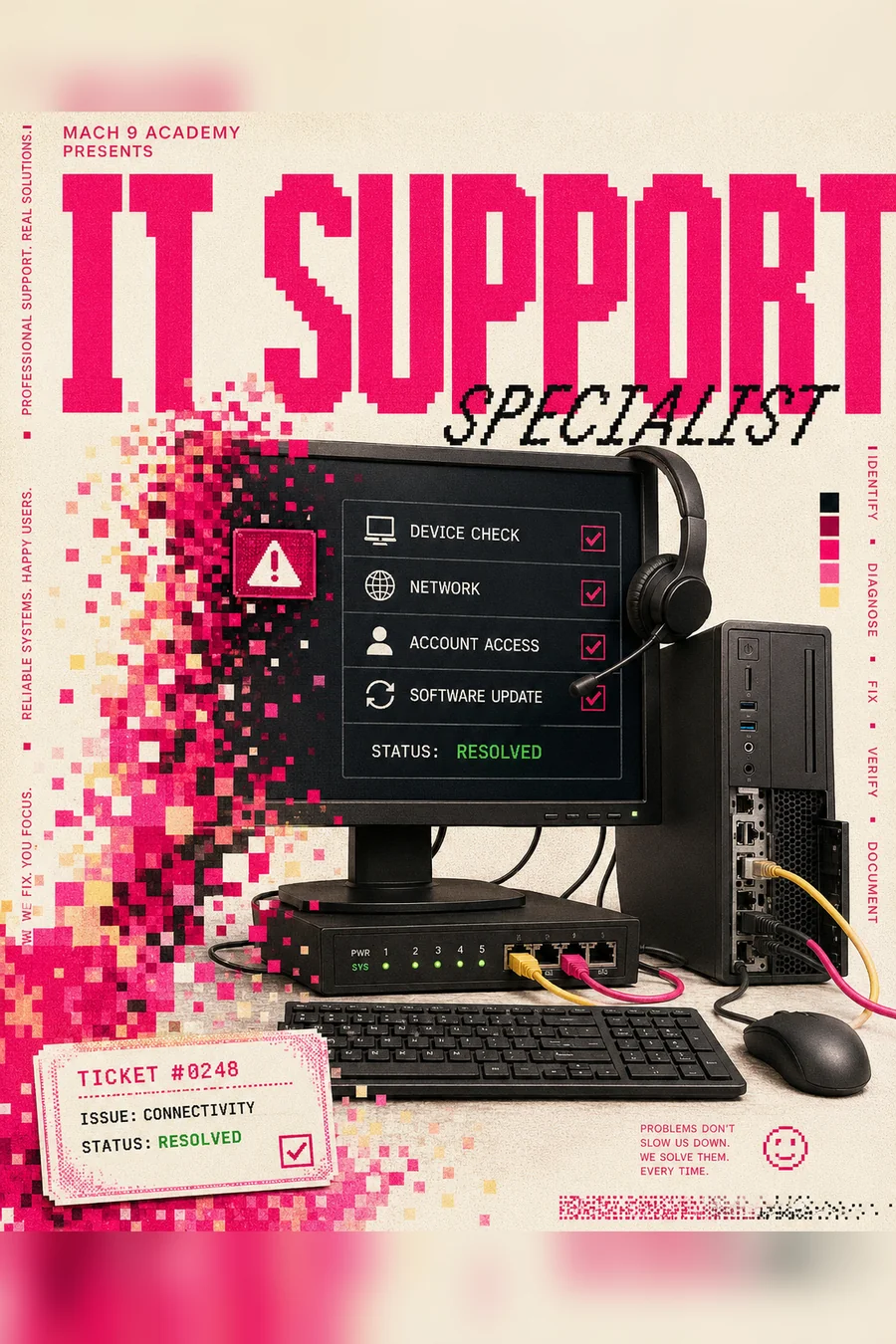
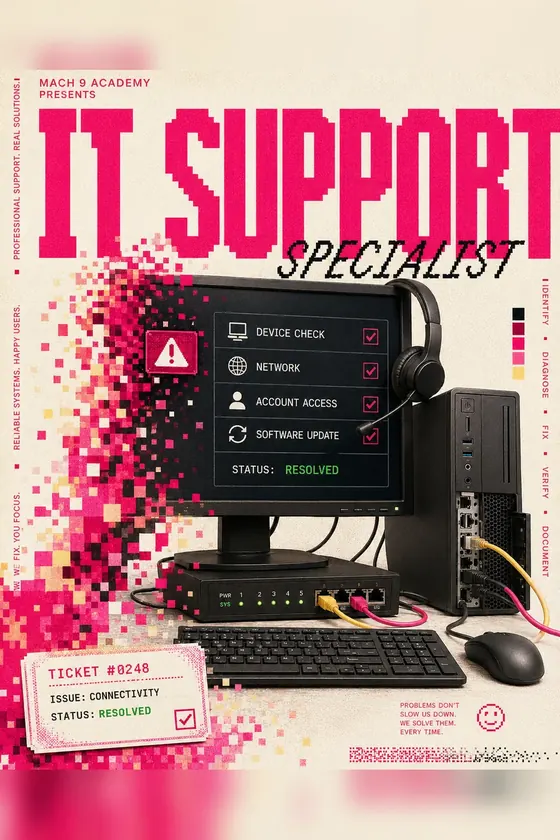
- TechnologyIT Support SpecialistKeeps everyone else’s computer working, without needing a degree to start.Licence or certification · Apprenticeship
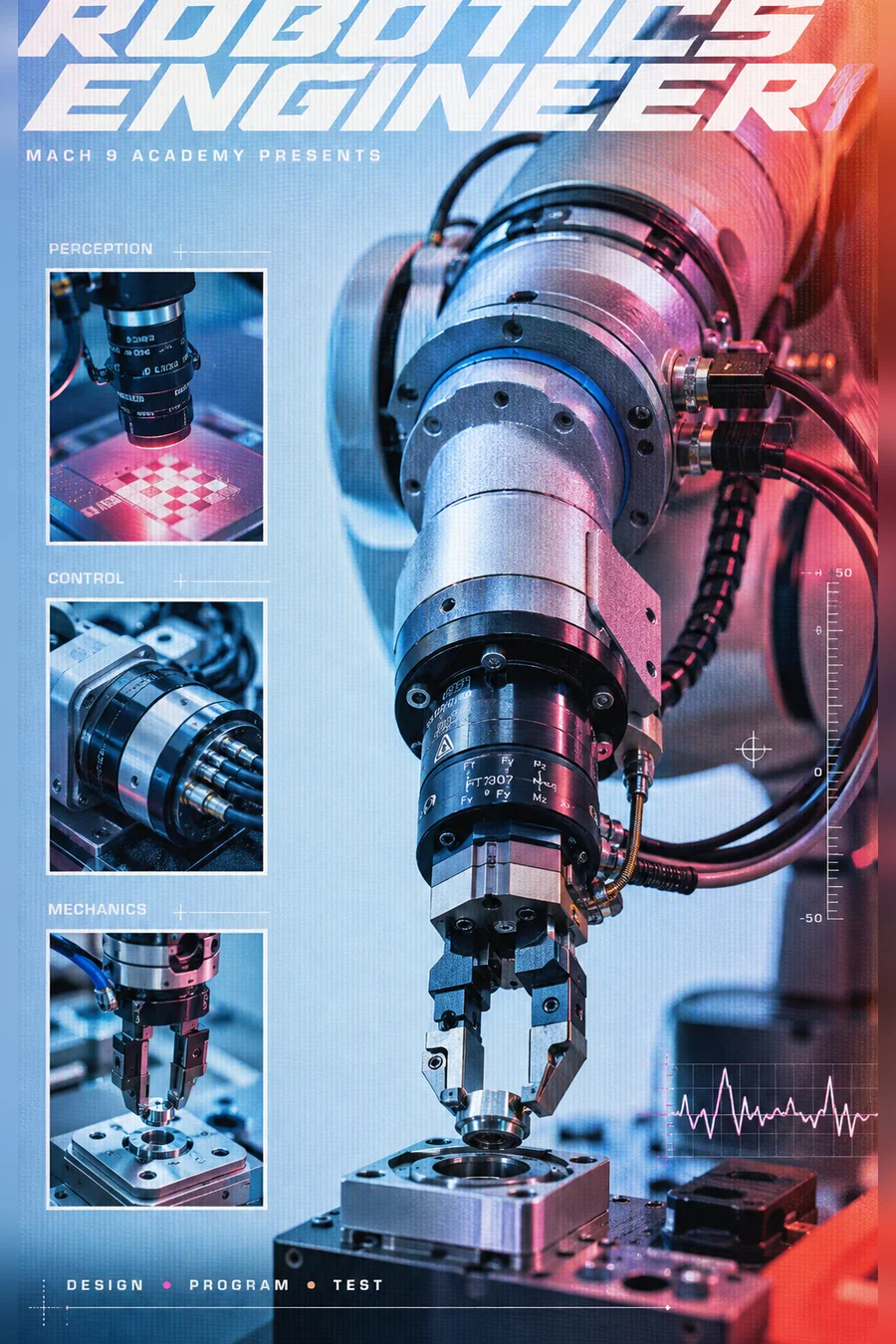
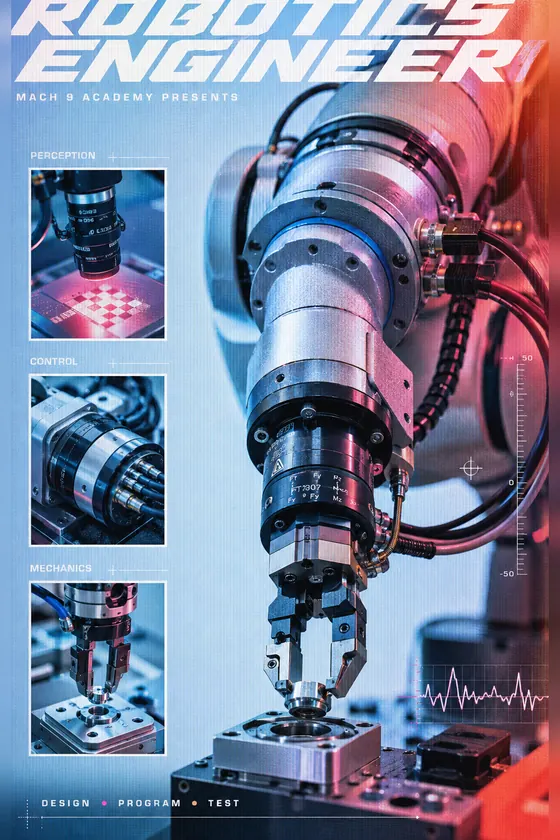
- TechnologyRobotics EngineerBuilds machines that sense and act in the physical world, on the ground rather than in it.Degree
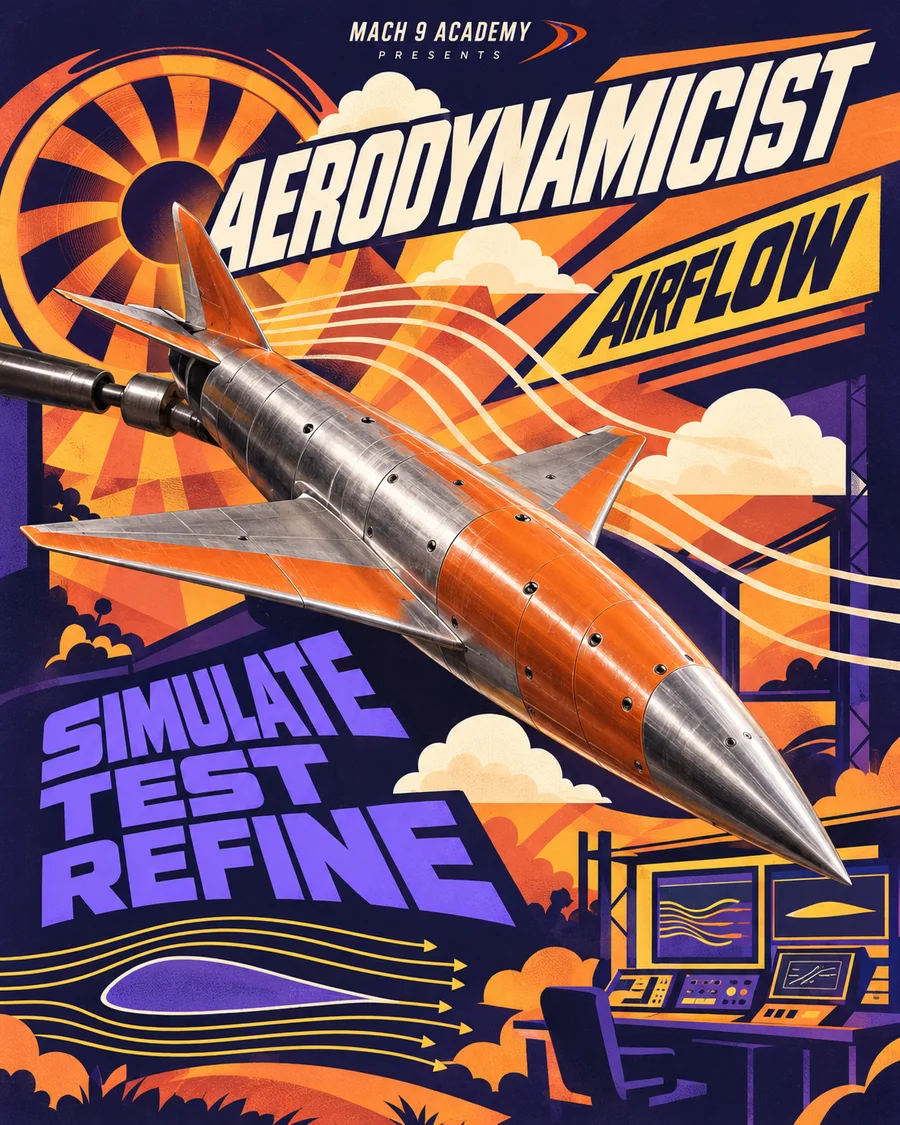
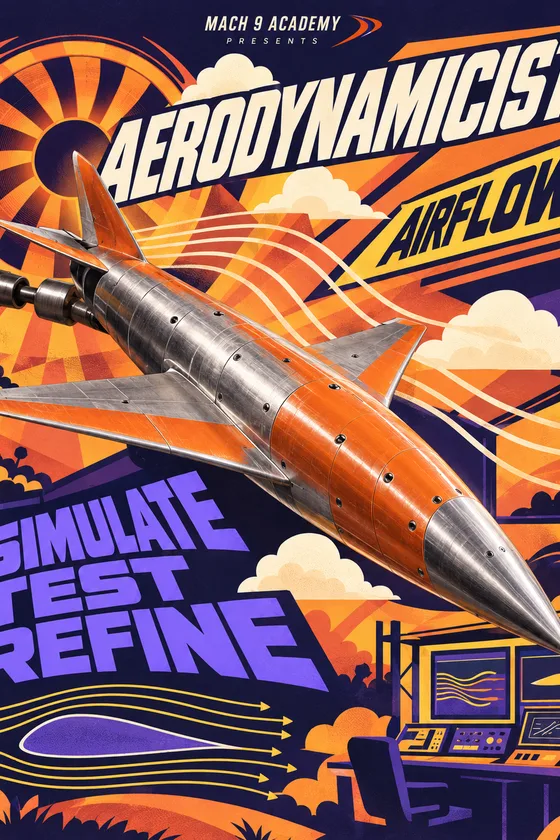
- AerospaceAerodynamicistWorks out how the air will behave around a shape before anyone commits to building it.Degree
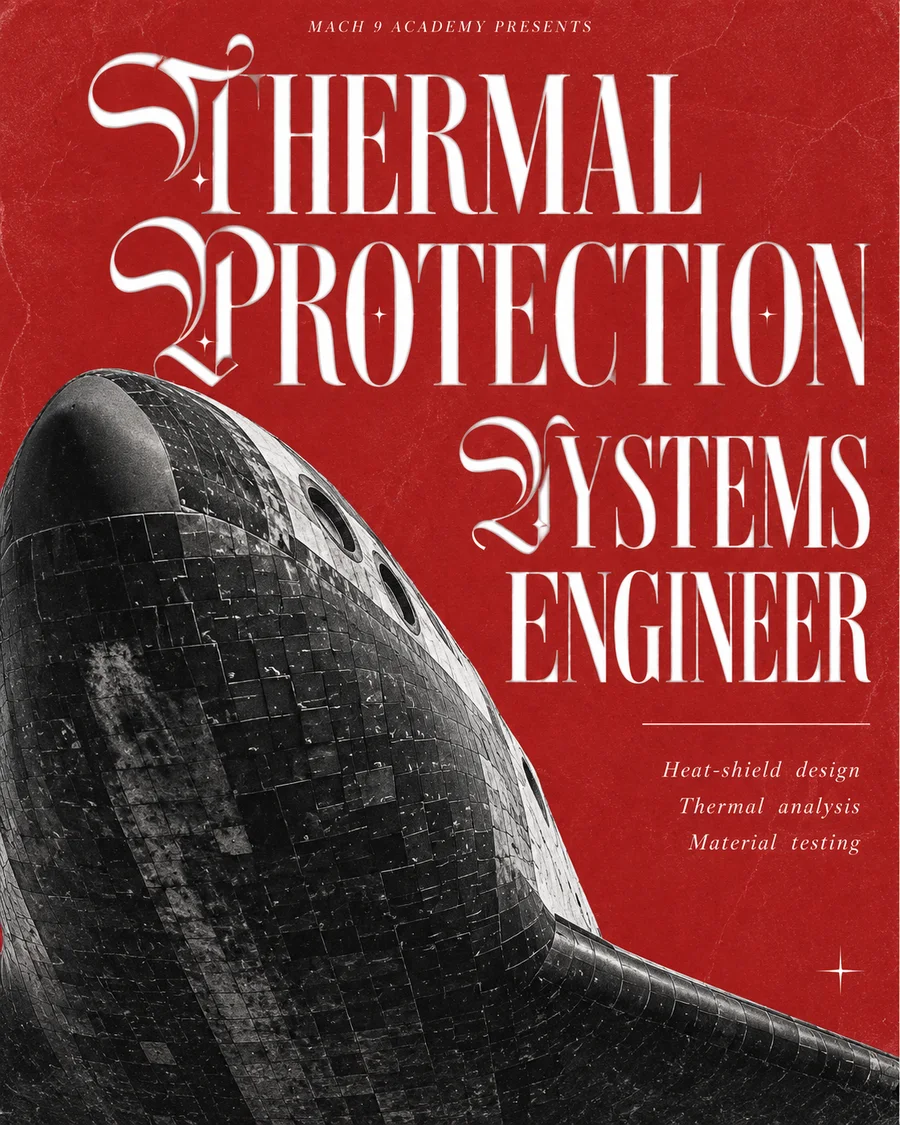
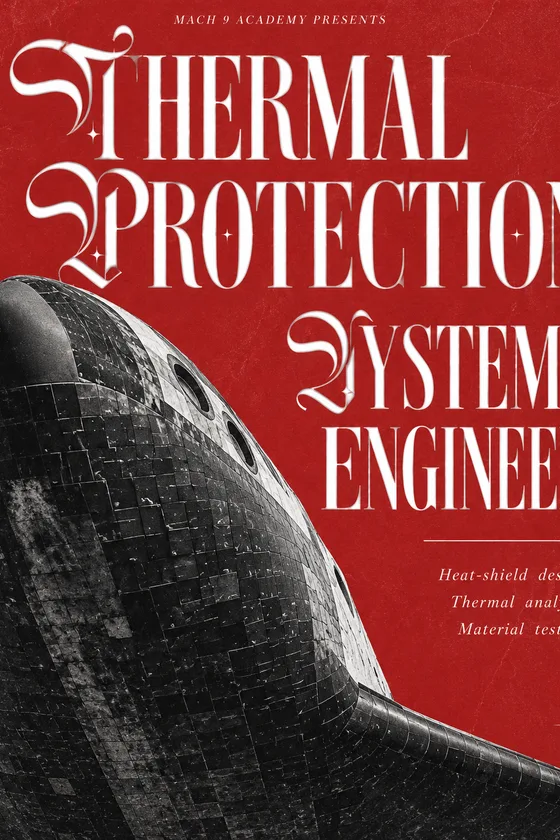
- AerospaceThermal Protection Systems EngineerDesigns the material that stands between a vehicle and the heat of going fast.Degree
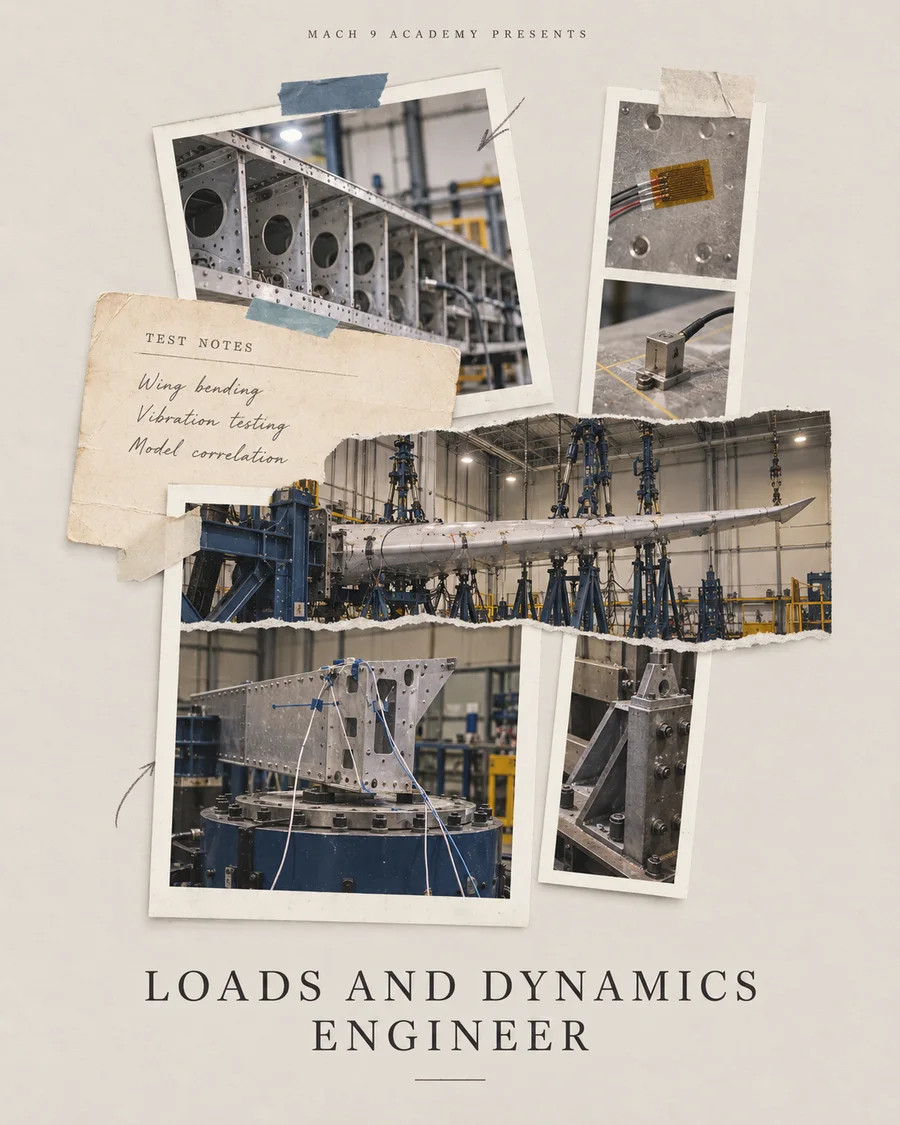
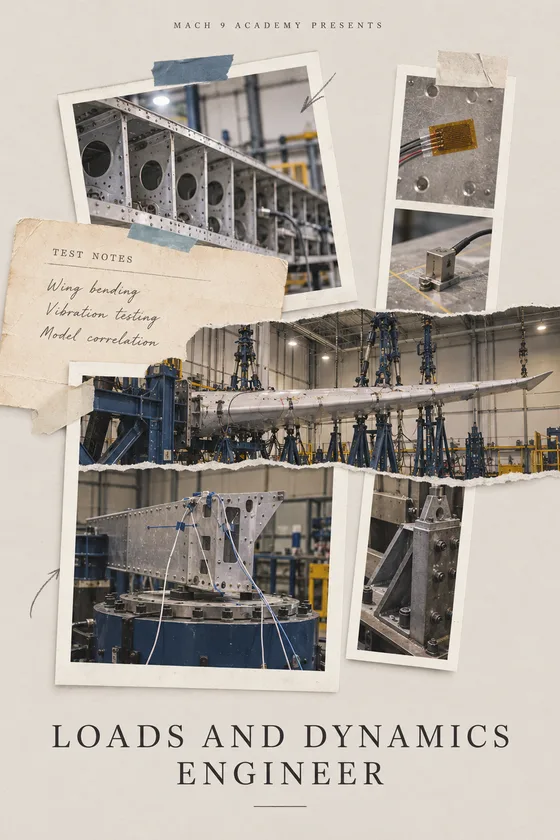
- AerospaceLoads and Dynamics EngineerWorks out what the structure actually feels in flight, not just what it feels sitting still.Degree
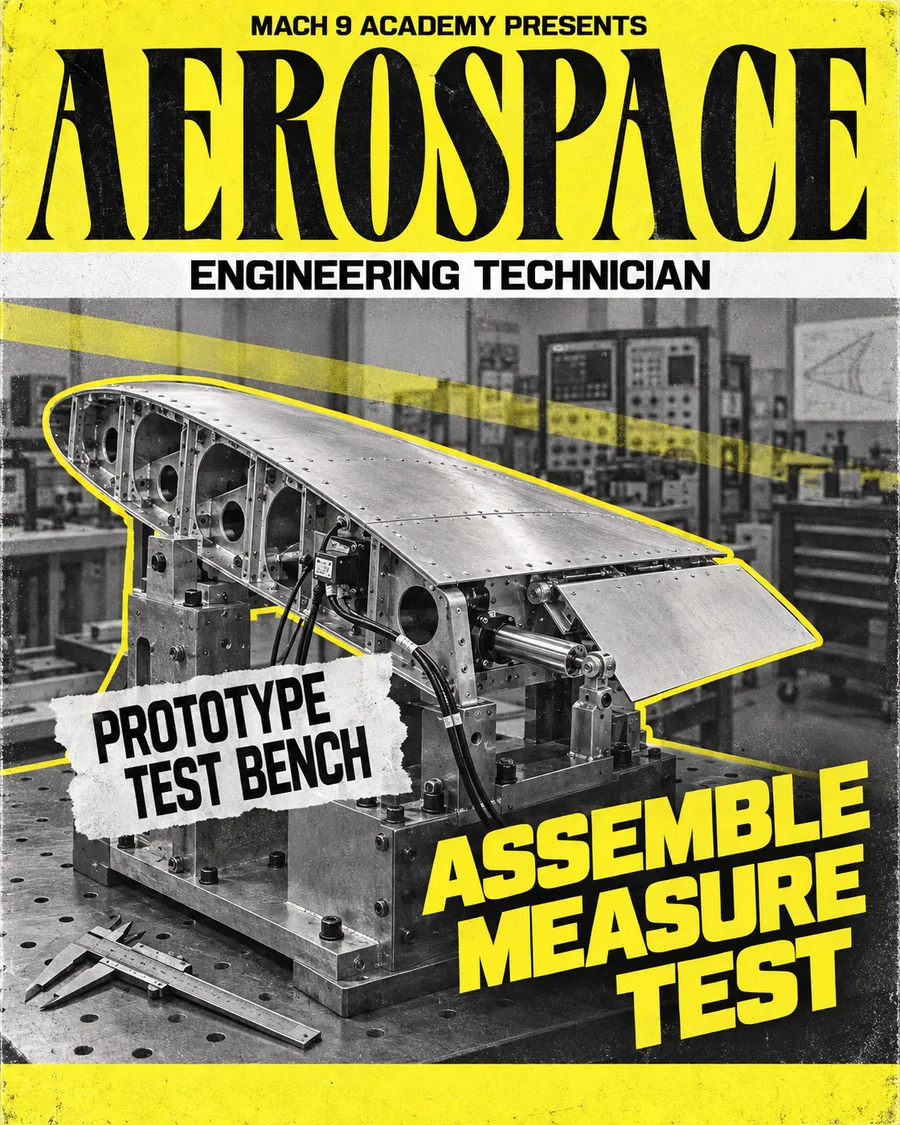
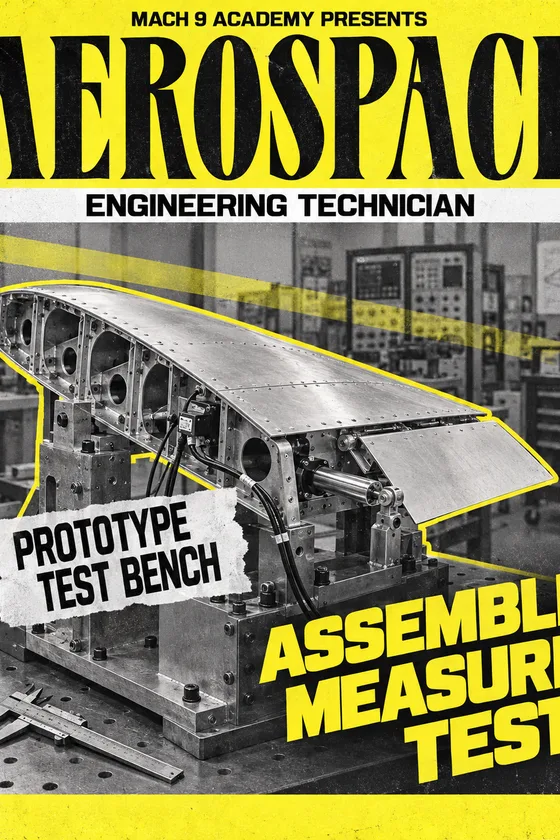
- AerospaceAerospace Engineering TechnicianBuilds and instruments the hardware that engineers only ever see as a report.Apprenticeship · Licence or certification
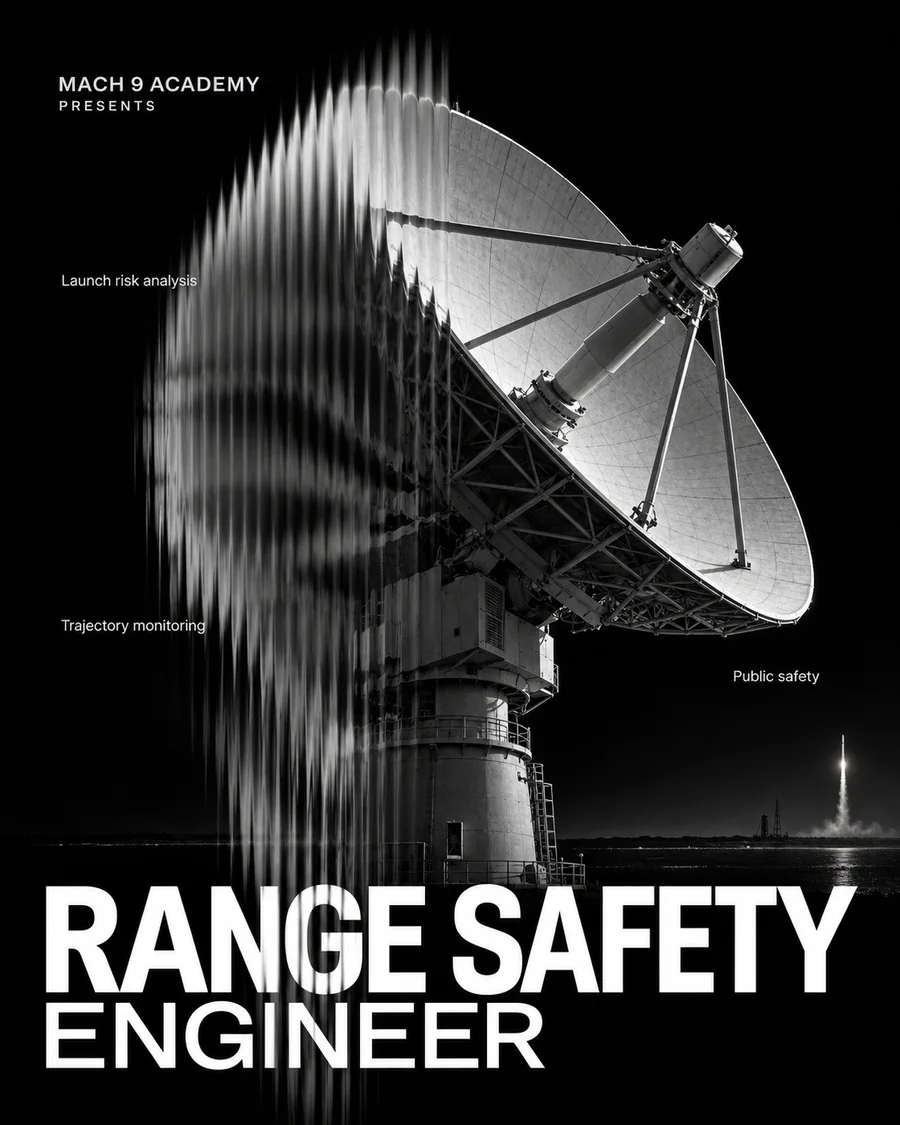
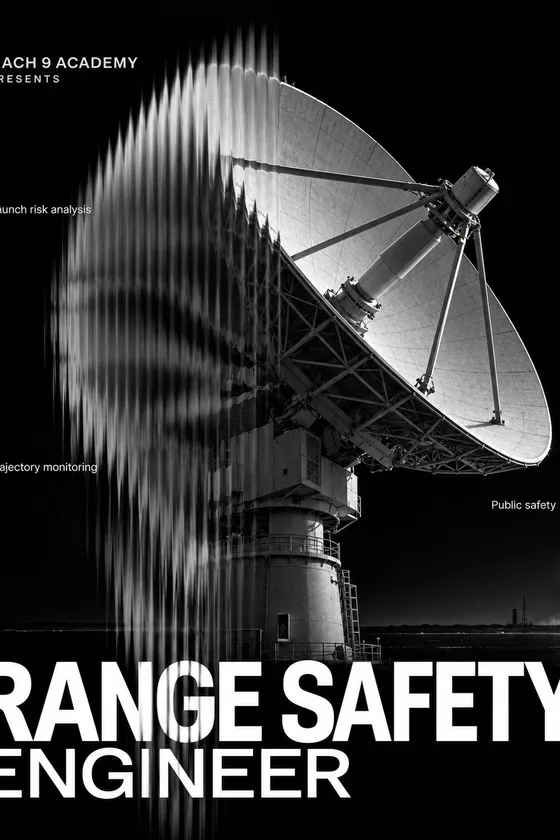
- AerospaceRange Safety EngineerDecides, before and during a flight test or a launch, what happens if it goes wrong.Degree
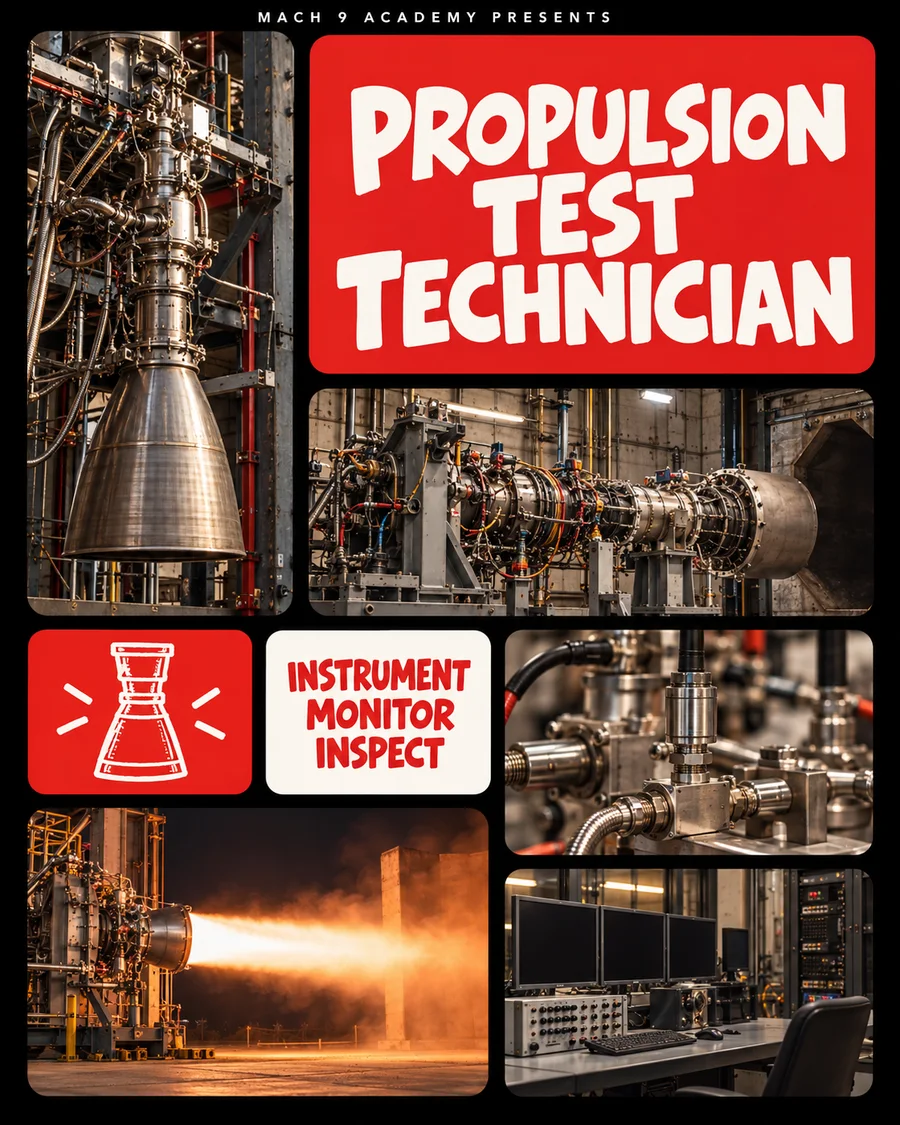
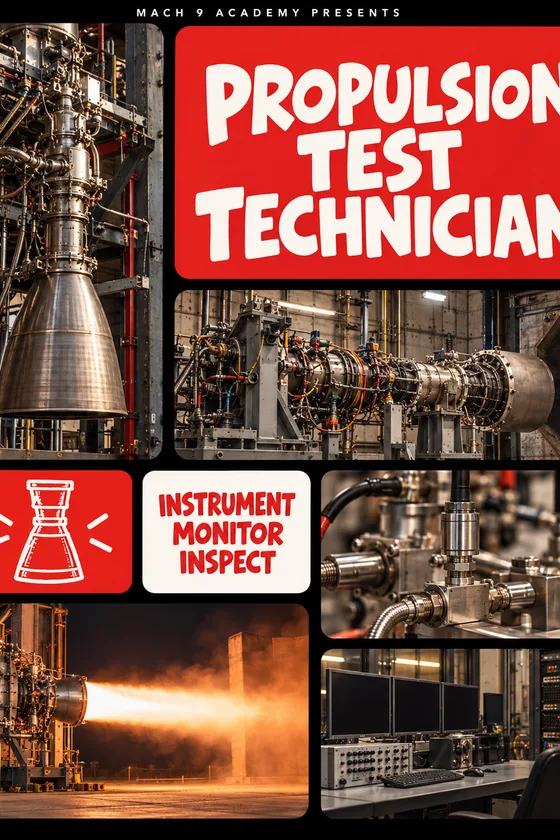
- AerospacePropulsion Test TechnicianBuilds, plumbs and runs the stands that put rocket and jet engines through fire.Apprenticeship · Licence or certification
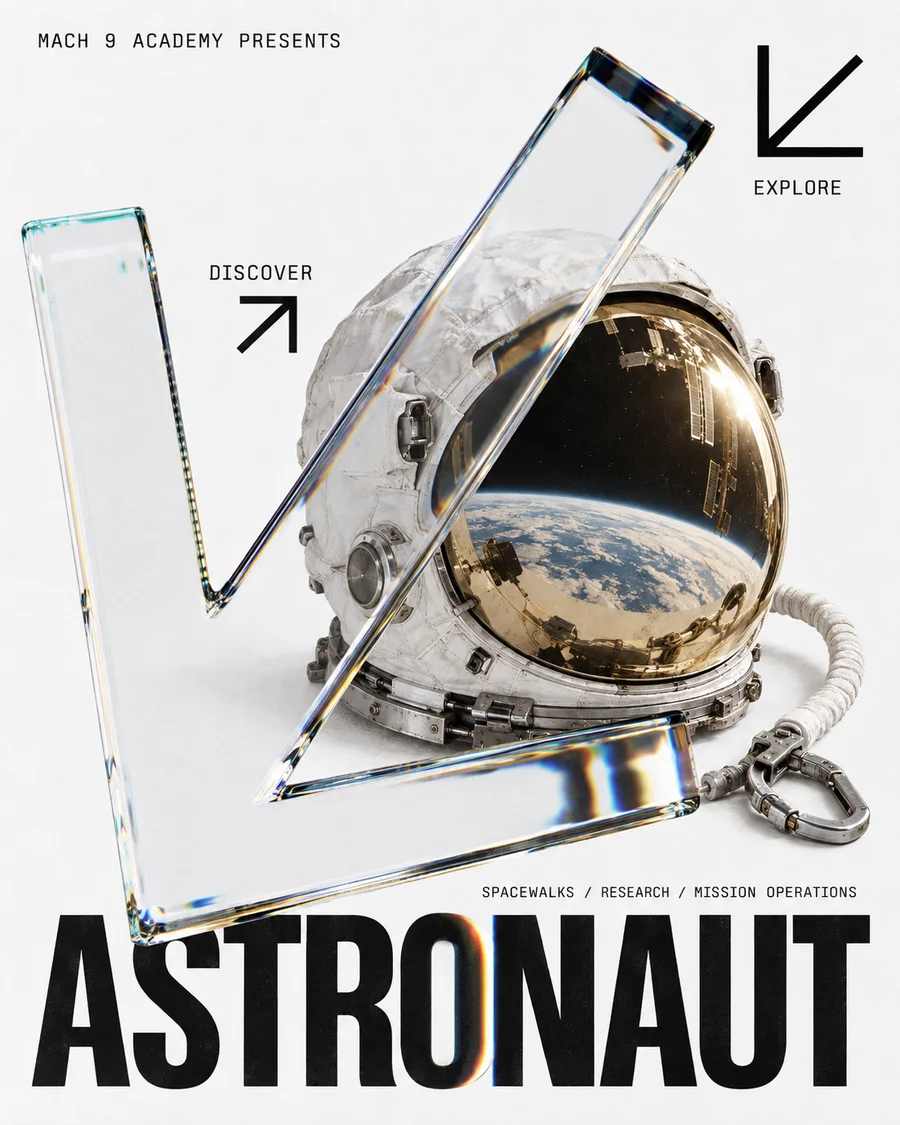
- SpaceAstronautFlies, lives and works on board a crewed spacecraft, after years of training for a seat that is never guaranteed.Degree · Military
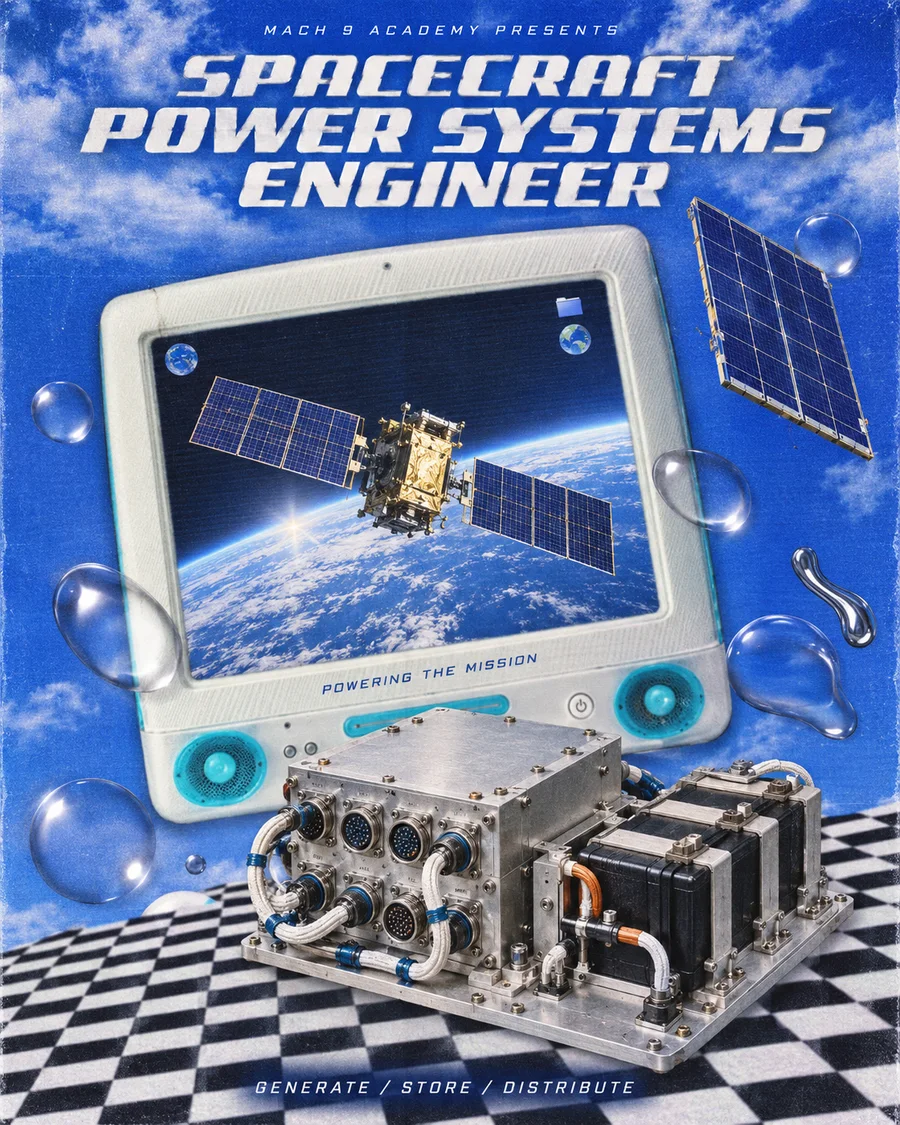
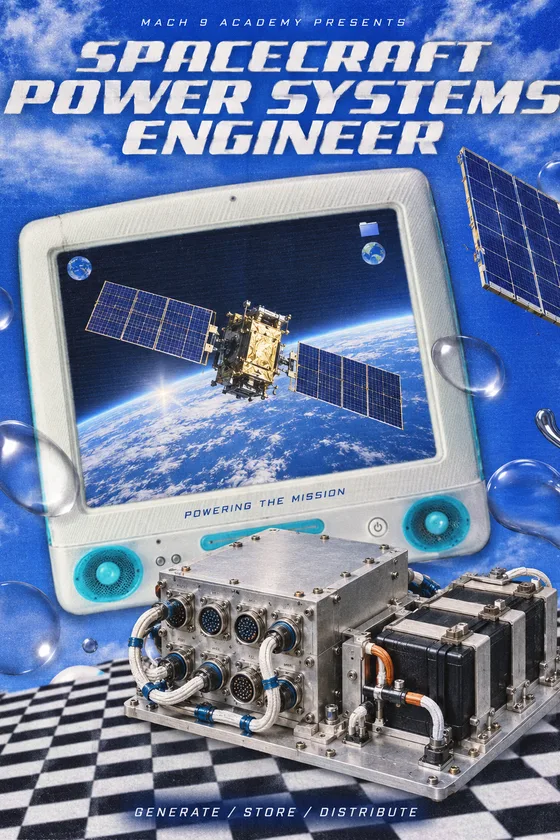
- SpaceSpacecraft Power Systems EngineerKeeps a spacecraft supplied with electricity for a mission that has no wall socket.Degree
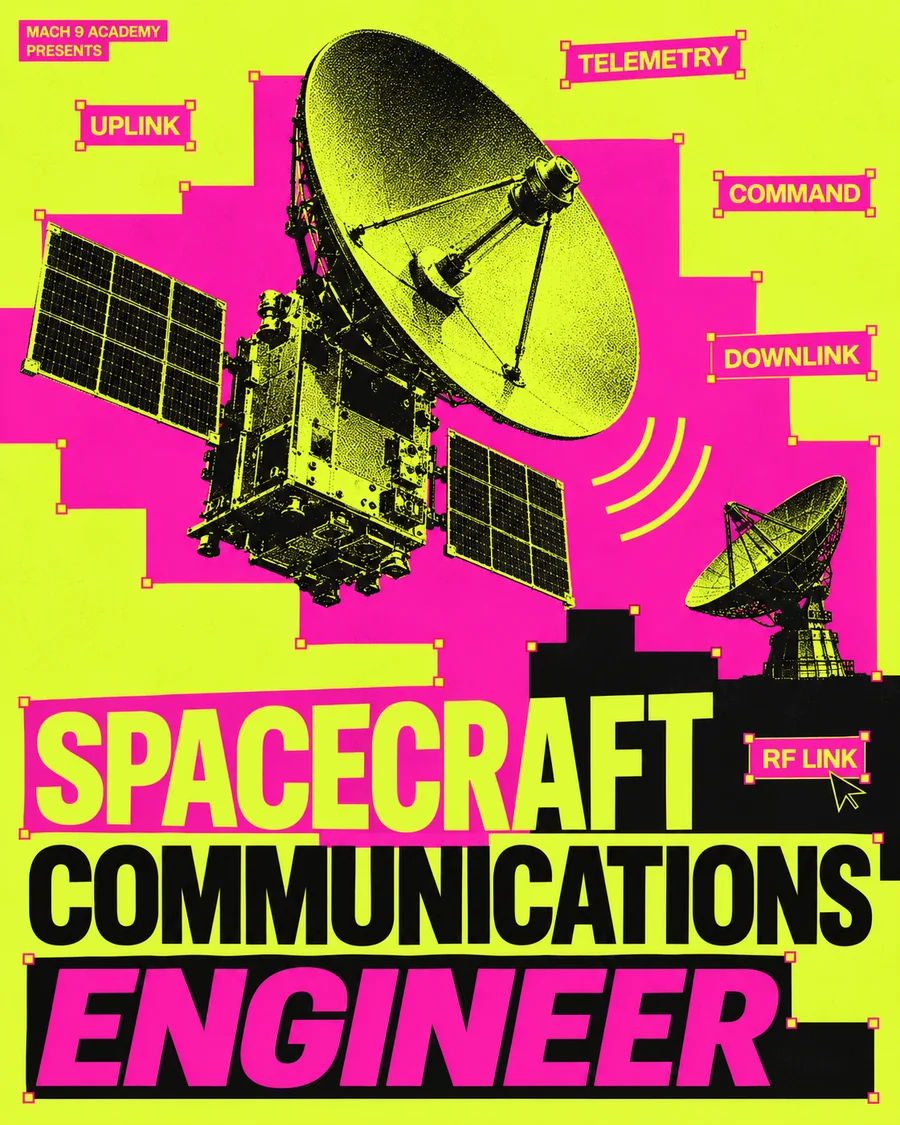
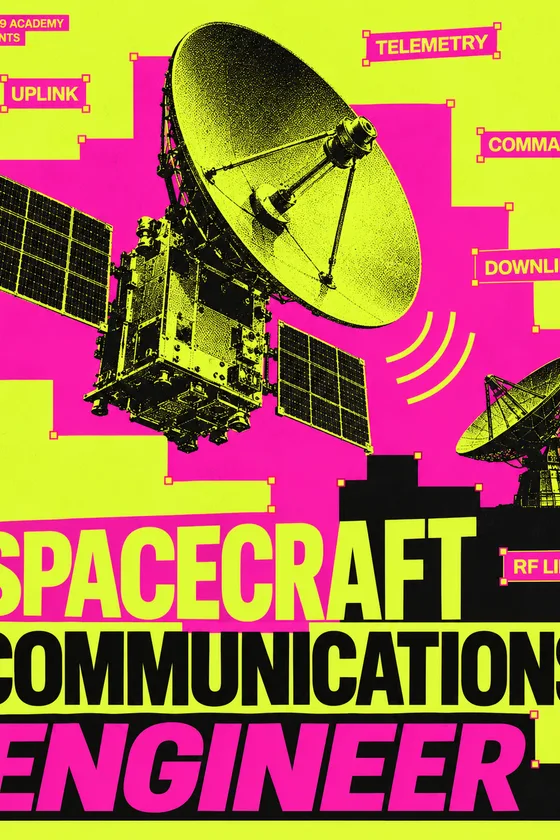
- SpaceSpacecraft Communications EngineerDesigns the radio link that has to carry every command and every byte of data across the distance to a spacecraft.Degree
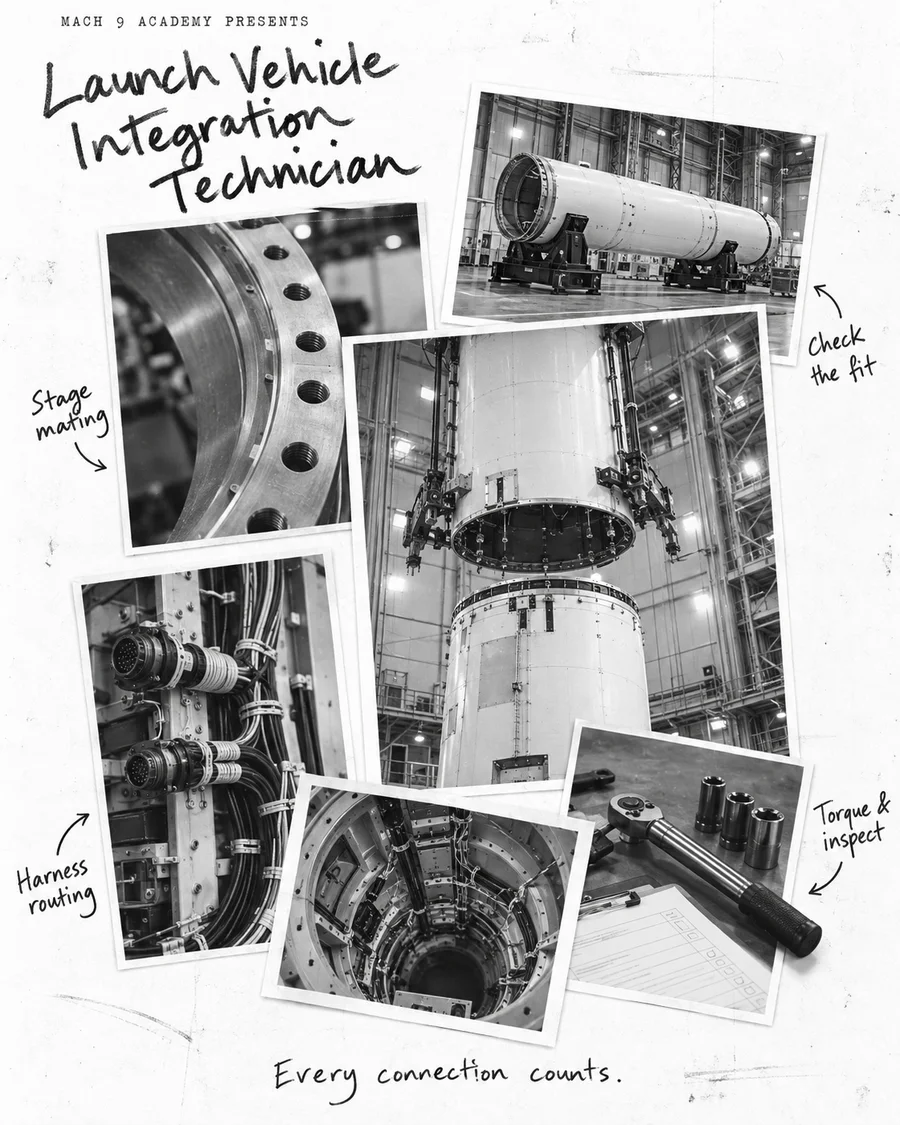
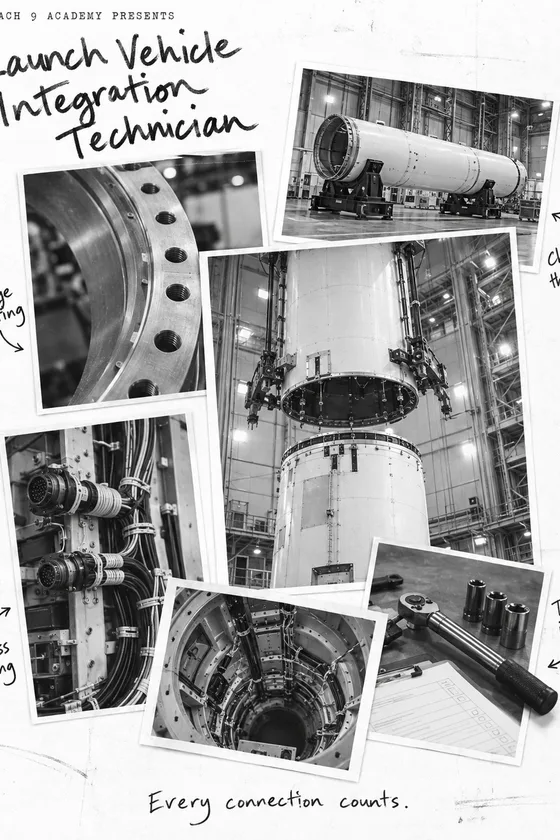
- SpaceLaunch Vehicle Integration TechnicianAssembles and tests the rocket and the spacecraft on top of it before either one ever leaves the ground.Apprenticeship · Licence or certification
- SpaceRemote Sensing ScientistTurns satellite imagery into an answer about what is actually happening on the ground.Degree
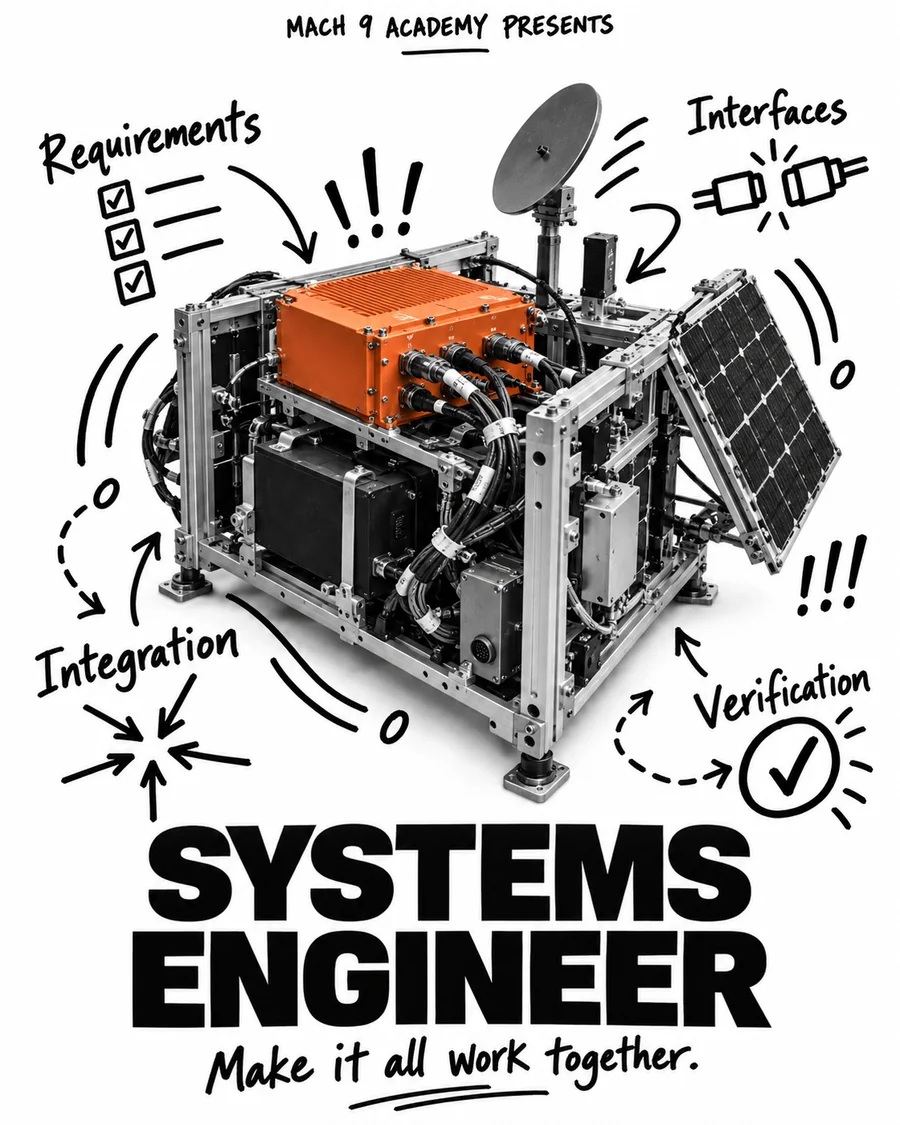
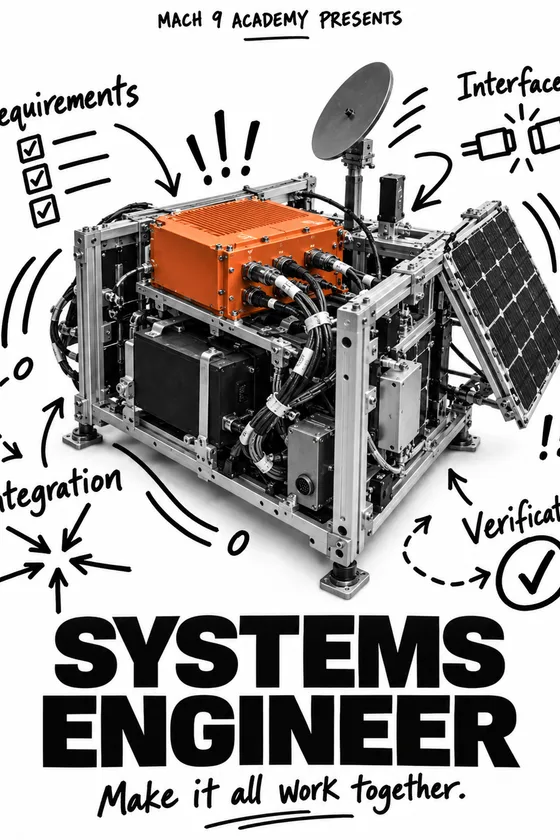
- EngineeringSystems EngineerOwns the requirements and the interfaces on a programme too big for any one specialist to hold in their head.Degree
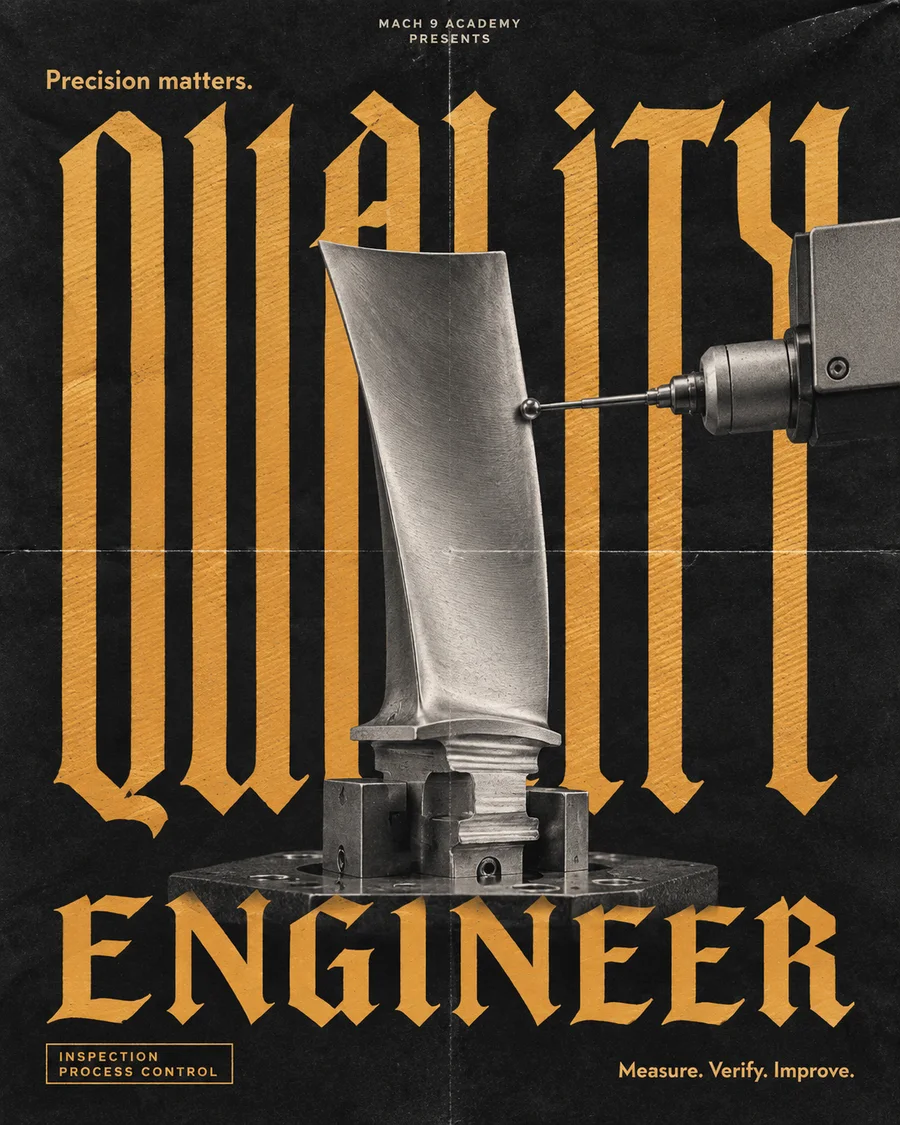
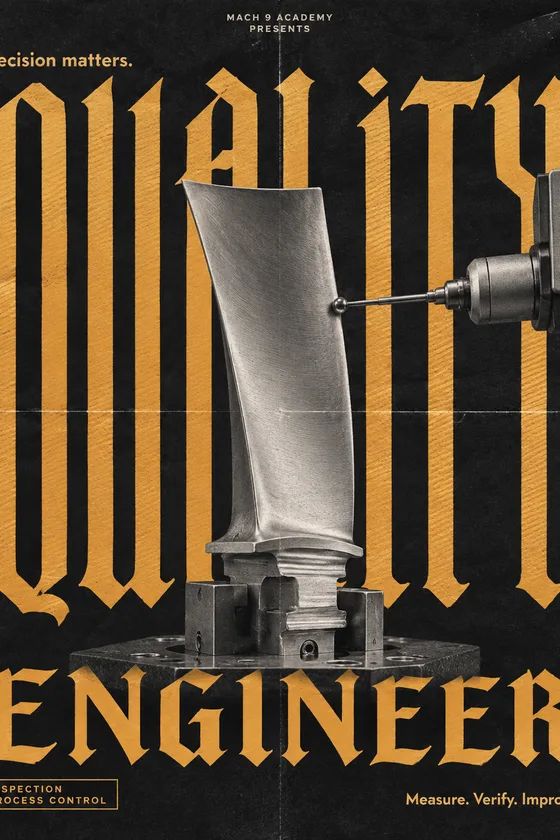
- EngineeringQuality EngineerProves that a part actually is what the drawing says it is, and stops the ones that are not.Degree · Apprenticeship
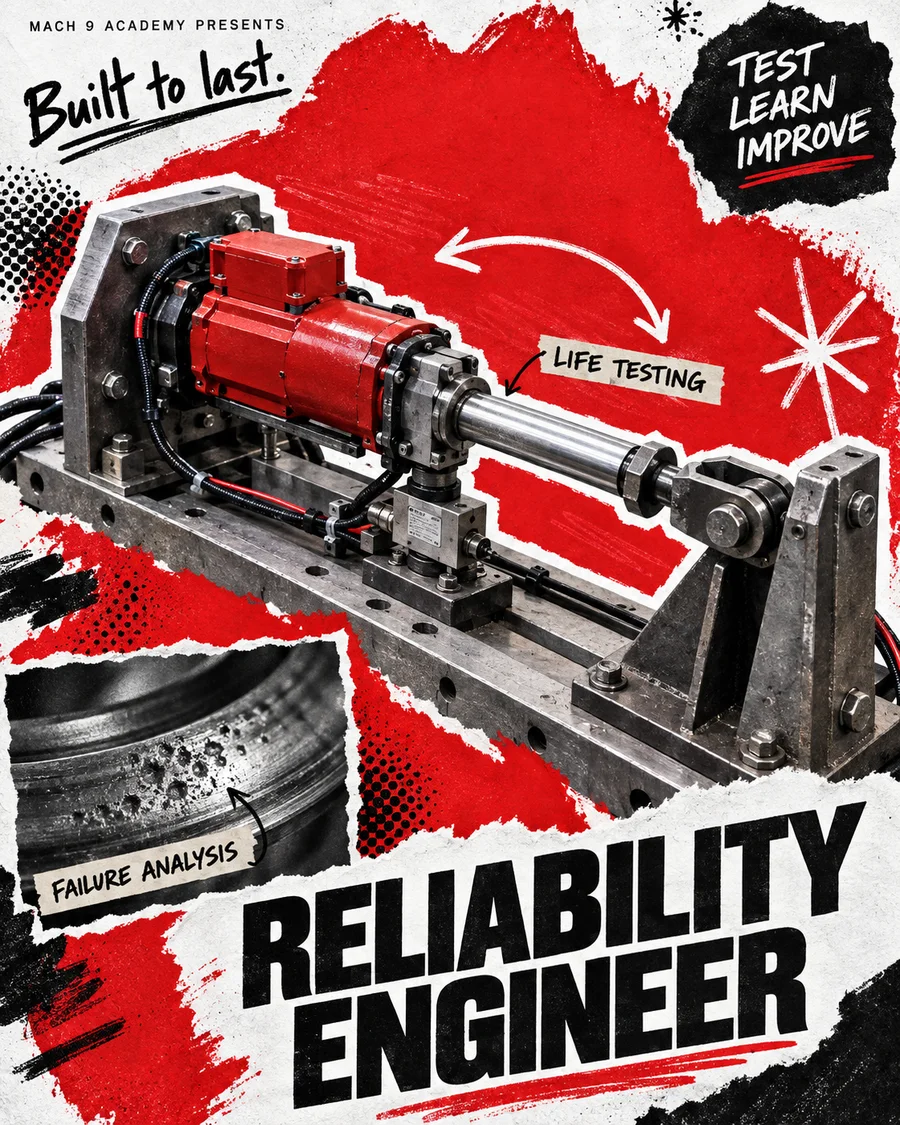
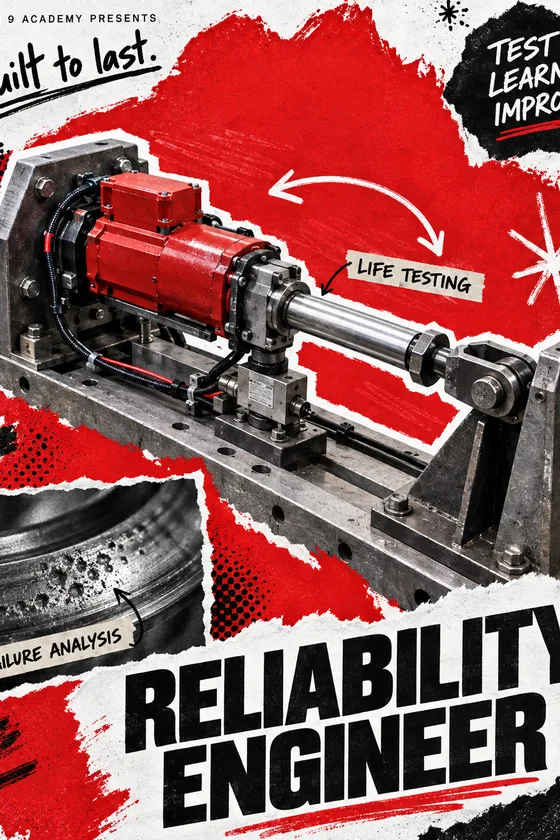
- EngineeringReliability EngineerWorks out how something is likely to fail before it does, and what to do about it.Degree
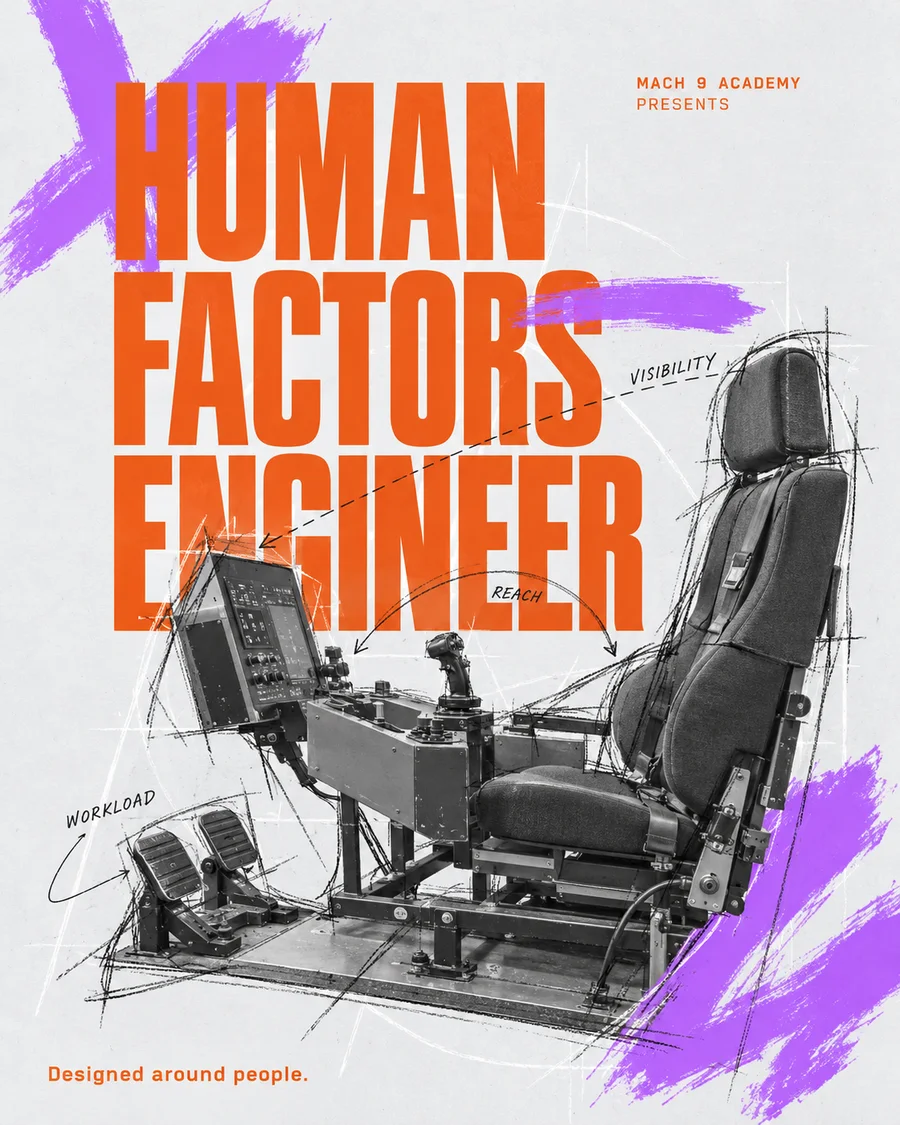
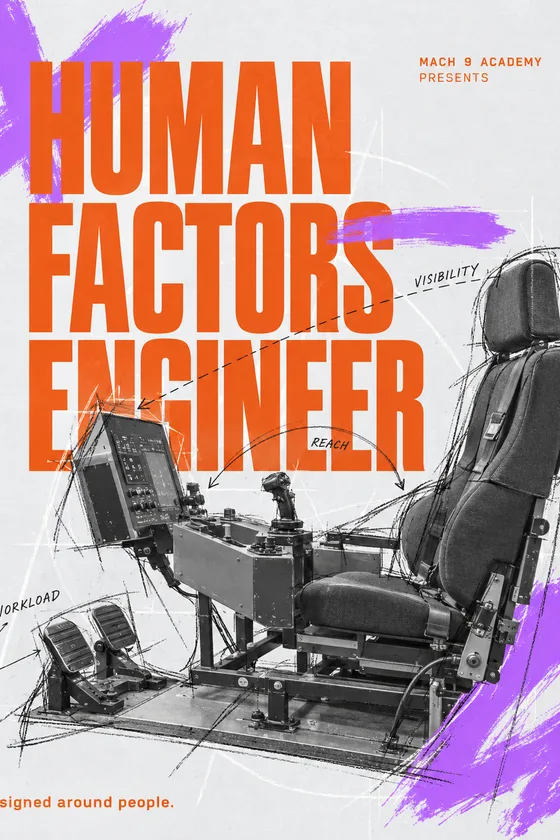
- EngineeringHuman Factors EngineerDesigns the controls, displays and procedures around what a person under pressure will actually do.Degree
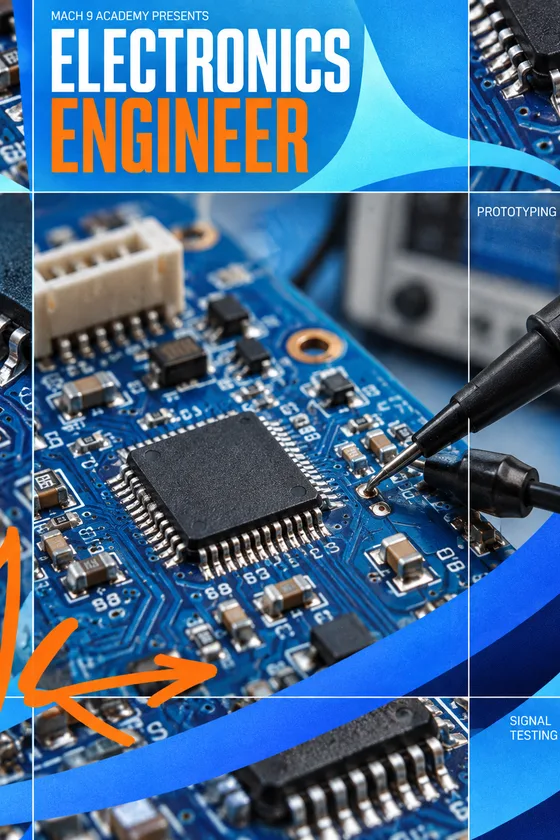
- TechnologyElectronics EngineerDesigns the sensor and avionics hardware, not the software running on it.Degree
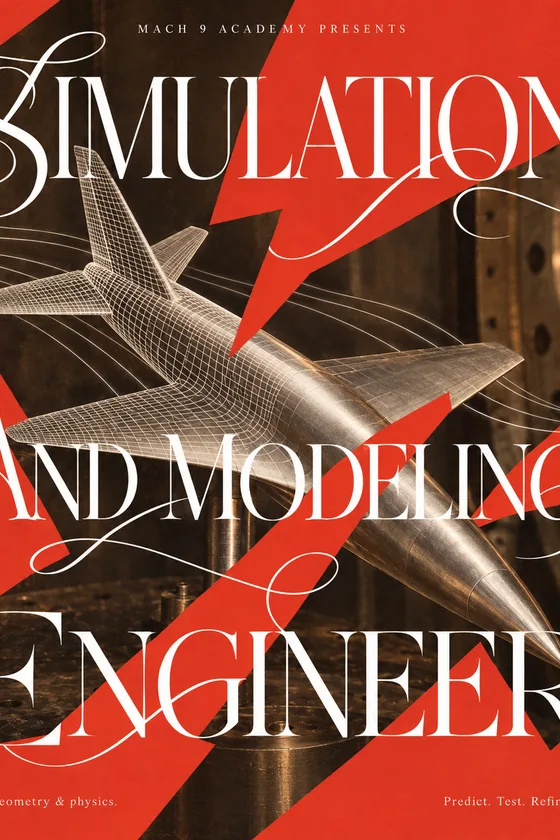
- TechnologySimulation and Modeling EngineerBuilds the digital vehicle everyone else tests against before the real one exists.Degree