What happened
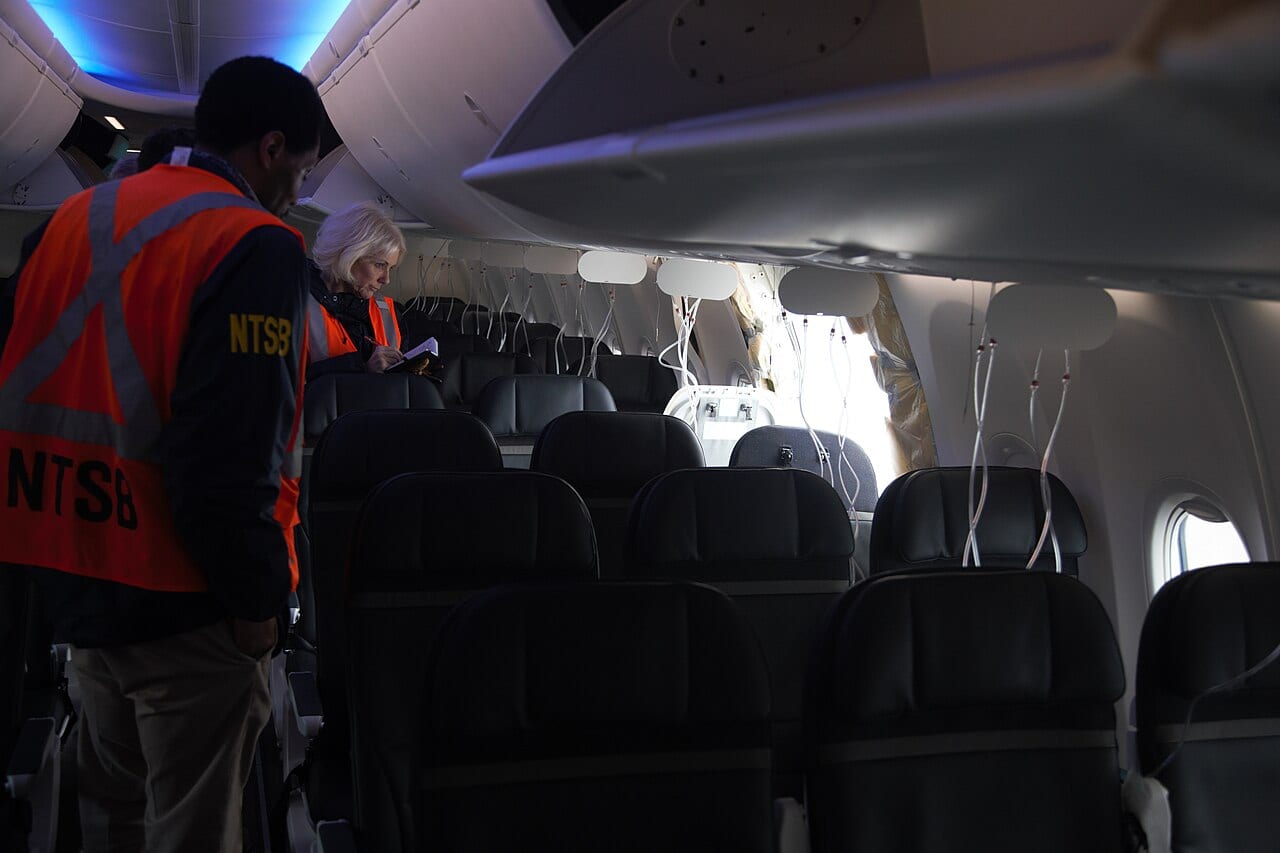
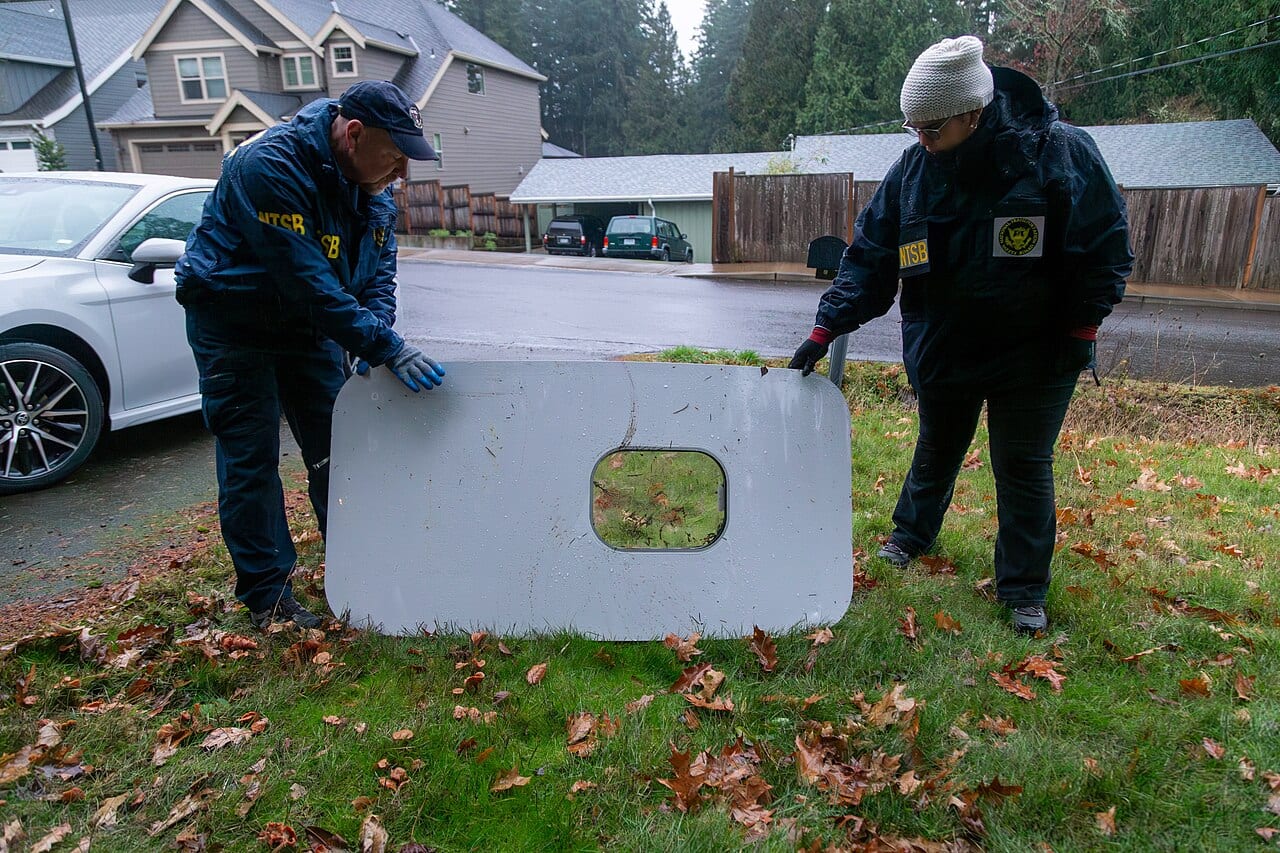
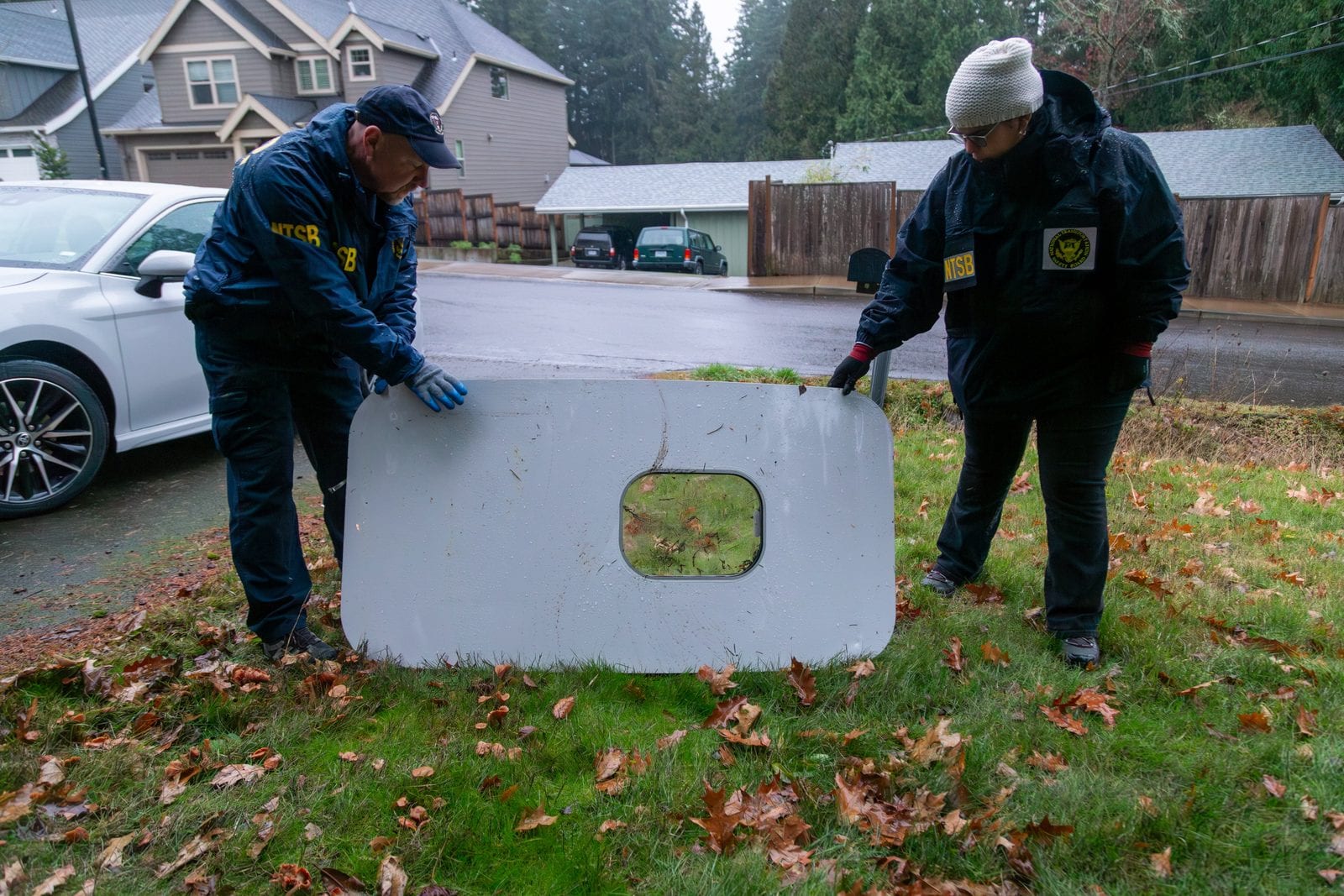
On January 5, 2024, minutes after Alaska Airlines Flight 1282 took off from Portland, a door plug (a panel filling an unused emergency-exit slot on the Boeing 737 MAX 9) blew out of the fuselage at 16,000 feet. The cabin depressurised explosively and the crew landed the aircraft safely about twenty minutes later. Nobody was seated in the two rows nearest the hole, and there were no serious injuries.
What eighteen months of investigation found
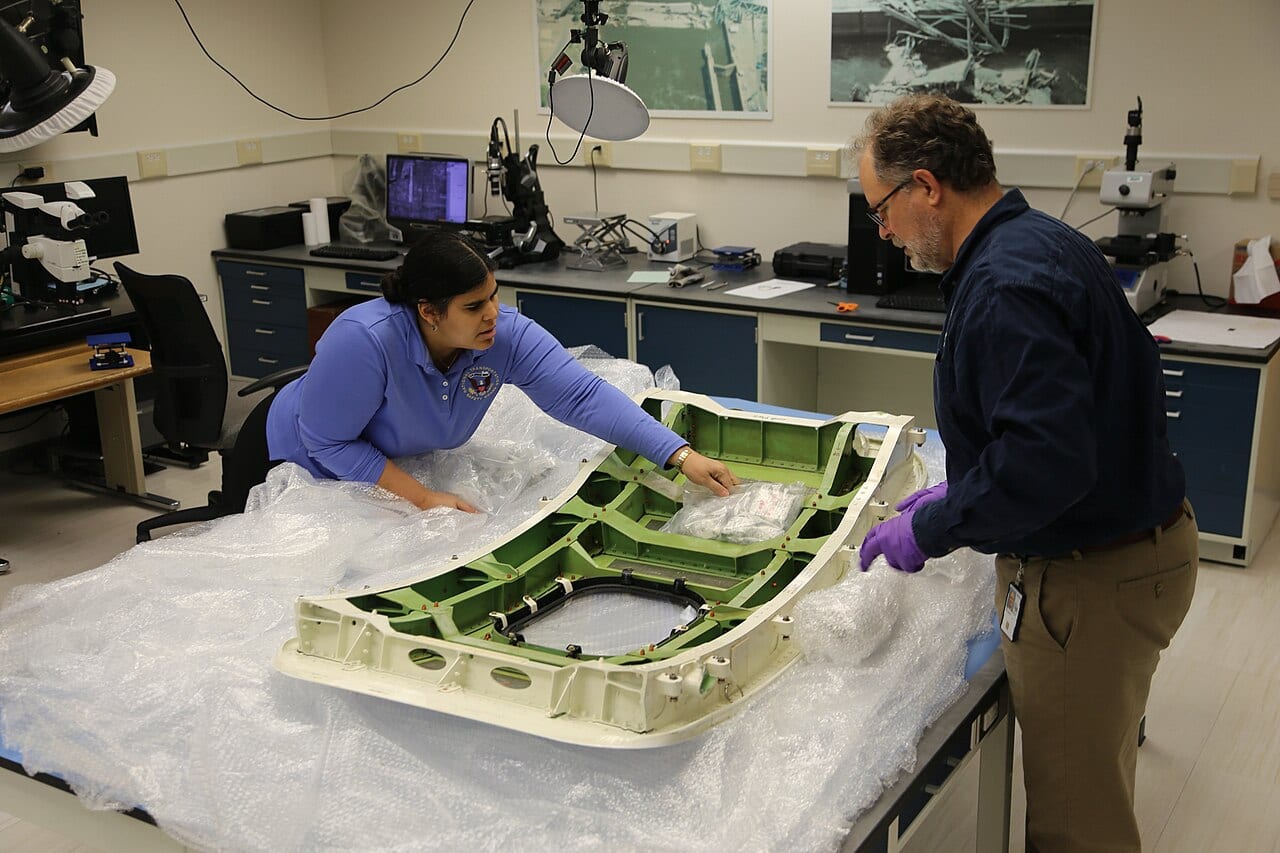
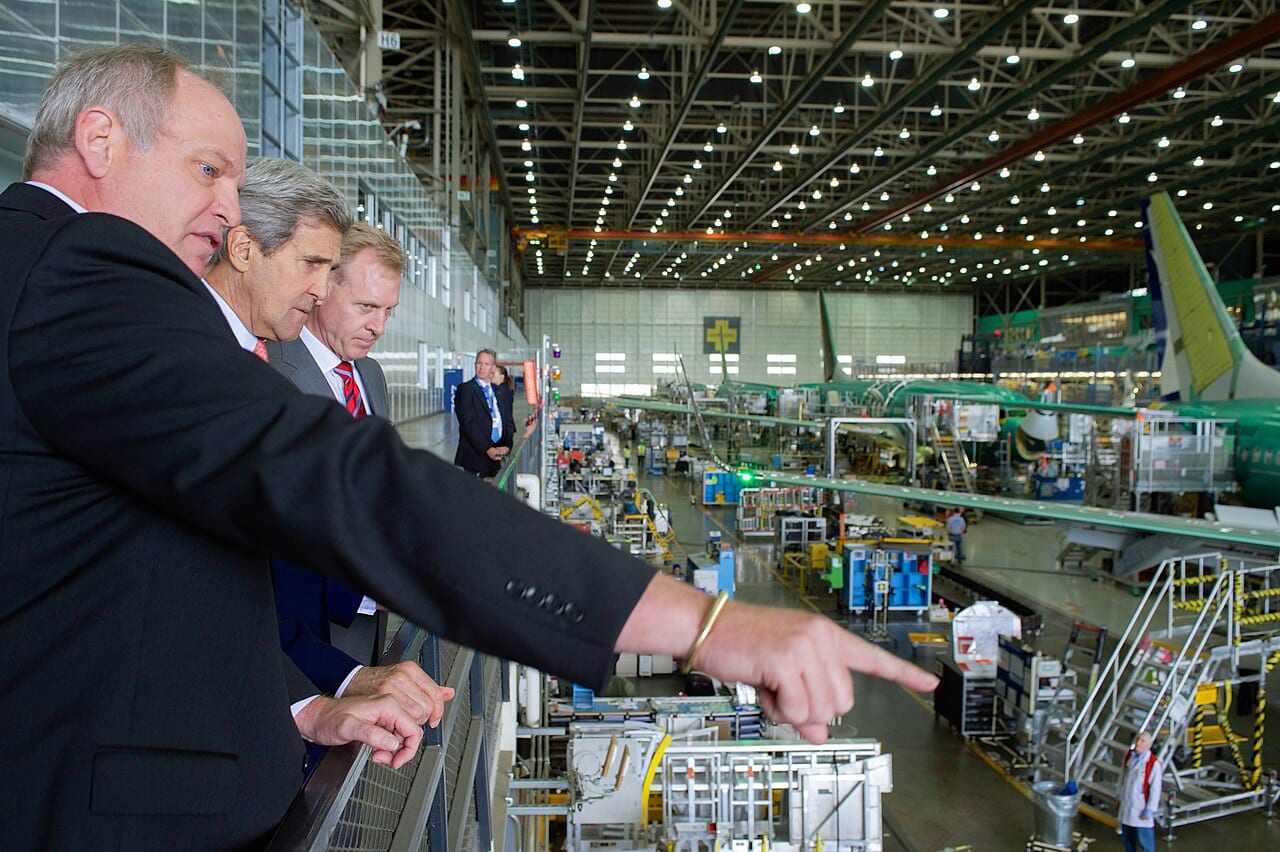
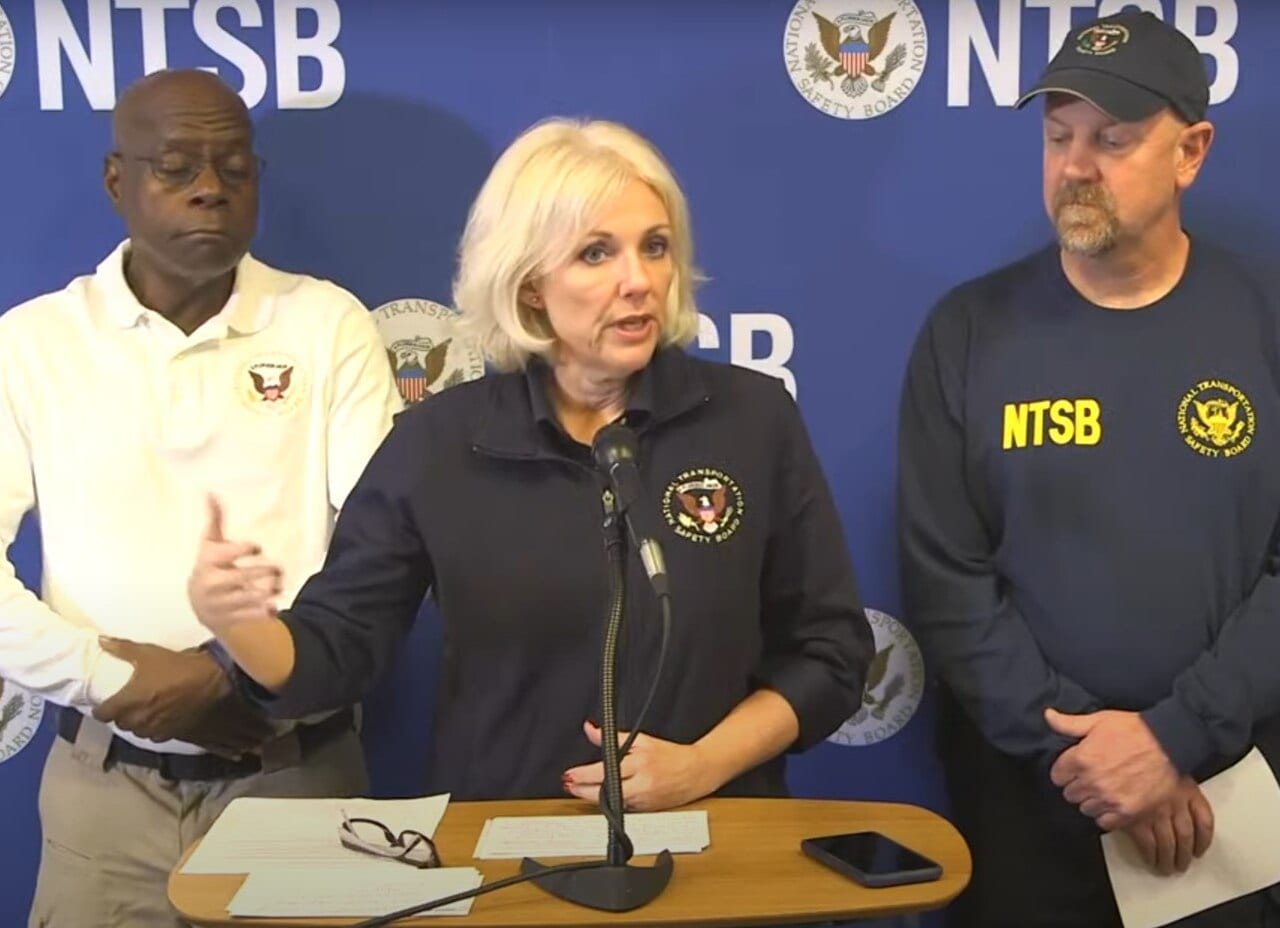
In June 2025 the NTSB concluded the panel had left the factory without the four bolts that hold it in place. The plug had been opened during assembly to fix damaged rivets, and Boeing’s own photo records show it was closed back up with the bolts missing, a step nobody caught before the aircraft left the Renton factory, and nobody caught in the months of flights that followed.
Why "systemic" is the right word
The NTSB’s finding was not "one person made a mistake." It was that the checks meant to catch that mistake (Boeing’s own quality process and the FAA’s oversight of it) both failed to run at the same moment. Prevention only works as a system; it stops working the instant everyone assumes someone else already checked.
The gap between "a panel was inspected" and "a system made sure it was inspected" is exactly what the Aircraft Mechanic career lives in day to day, and what this chapter of Aviation Foundation is built around.
Aircraft MechanicHow Accidents Are Prevented: Aviation Foundation