What happened
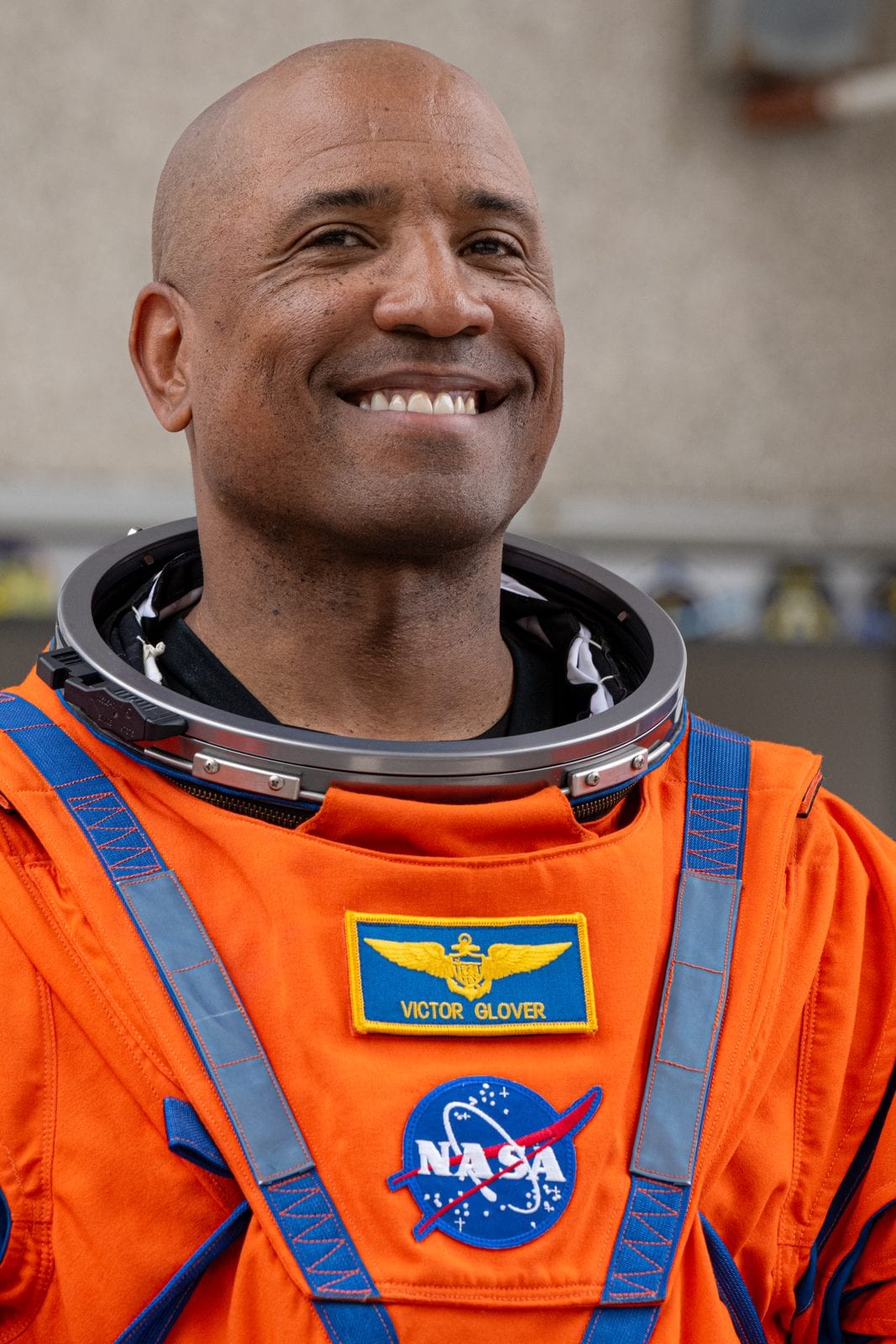
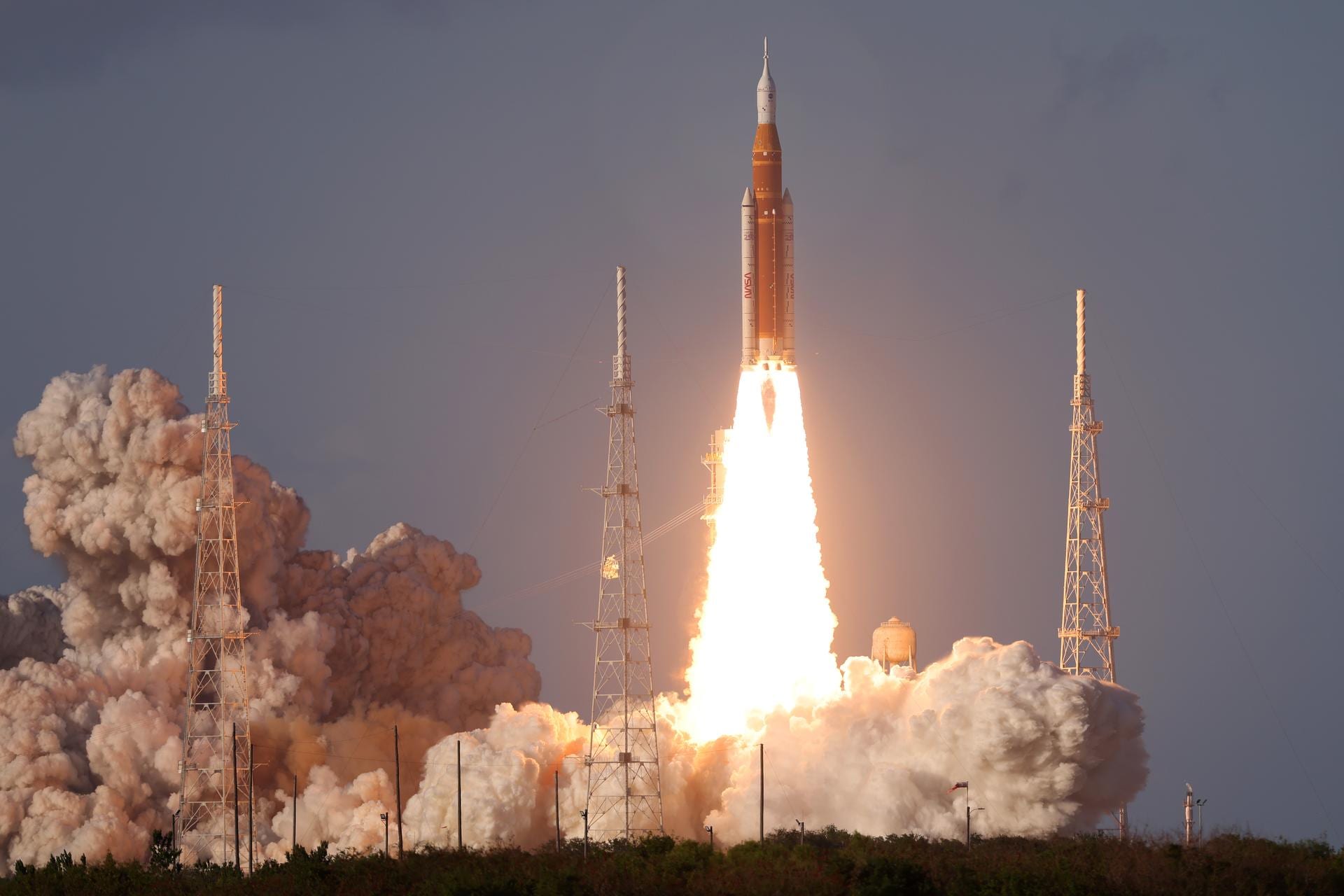
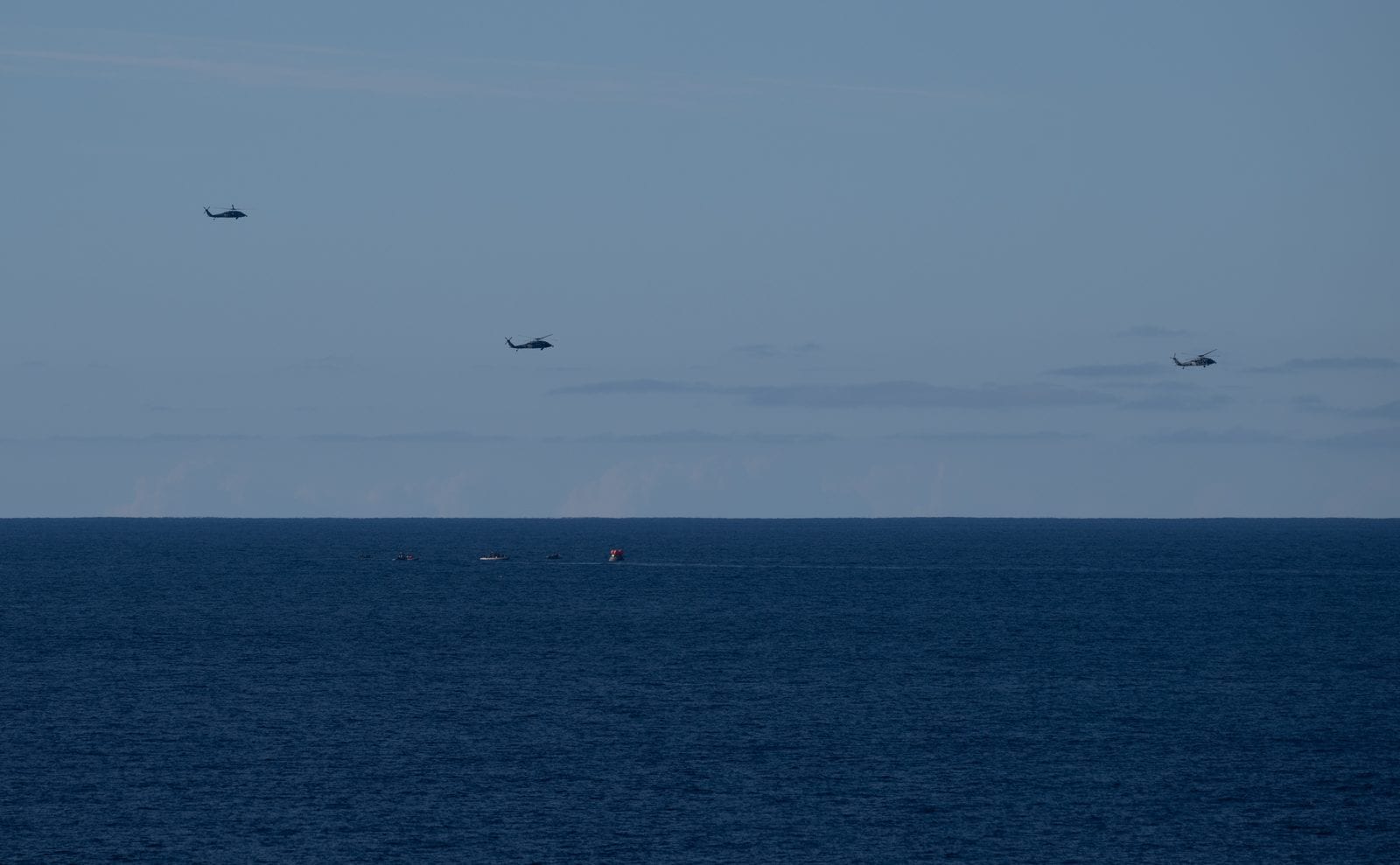
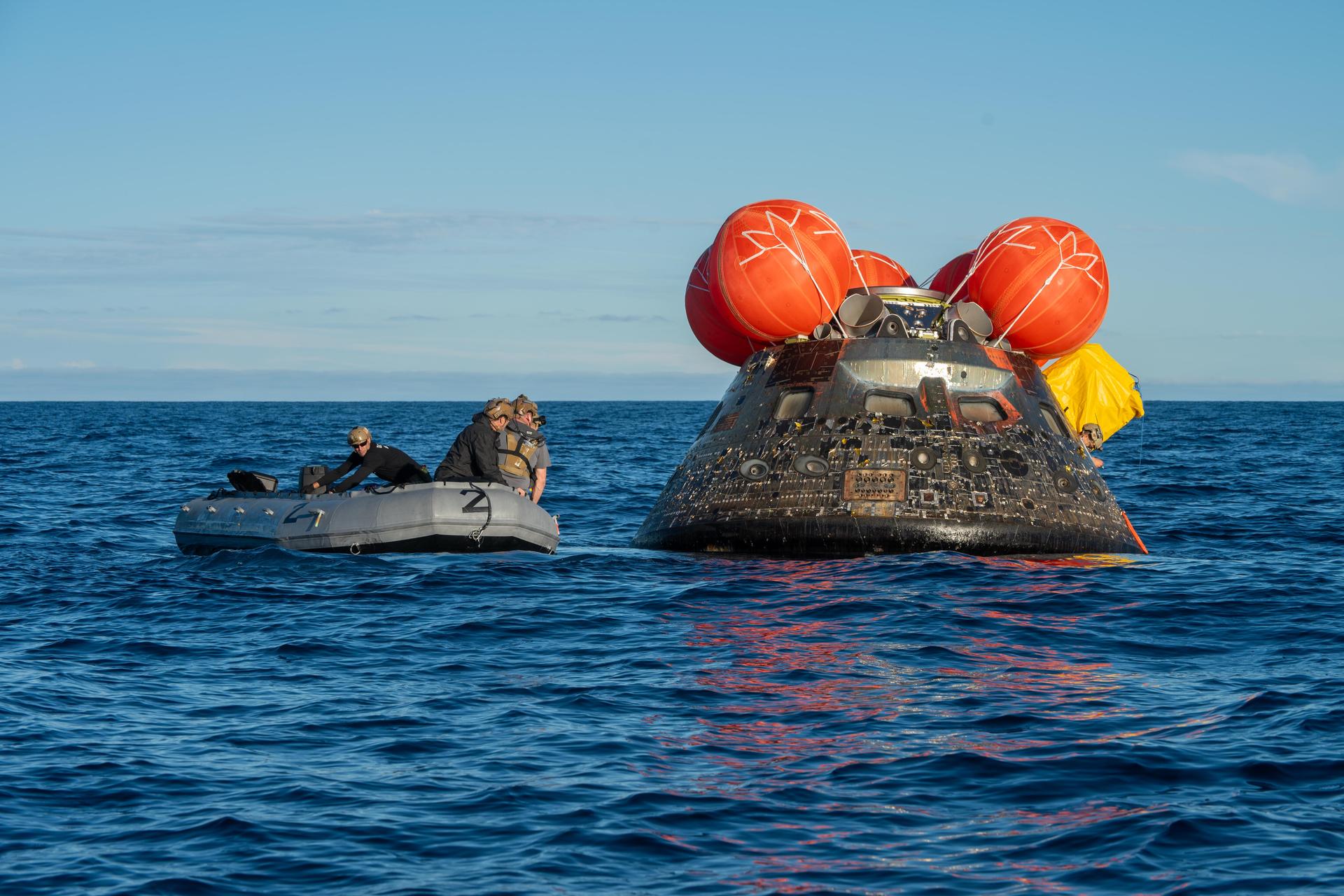
On April 1, 2026, NASA launched Artemis II: astronauts Reid Wiseman, Victor Glover and Christina Koch, with CSA astronaut Jeremy Hansen, on a roughly ten-day flight around the Moon and back. It was the first time humans had travelled beyond low Earth orbit since Apollo 17 in 1972, the crew went farther from Earth than any living person ever had. The capsule splashed down in the Pacific on April 10.
What it was actually testing
Artemis II did not land. Its job was to prove the Orion spacecraft’s life-support, navigation and heat-shield systems work with a crew aboard, on a real trip around the Moon, before anyone commits to landing on Artemis III. That order (prove the ride, then commit to the destination) is the same order Apollo followed with Apollo 8 before Apollo 11.
Fifty-year-old problem, new hardware
The physics of a lunar flyby has not changed since 1968: get the timing and trajectory right and gravity does the rest, get it wrong with no room for a second attempt. What changed is the spacecraft, the computers doing the navigation, and how much of the mission is rehearsed years in advance rather than worked out live.
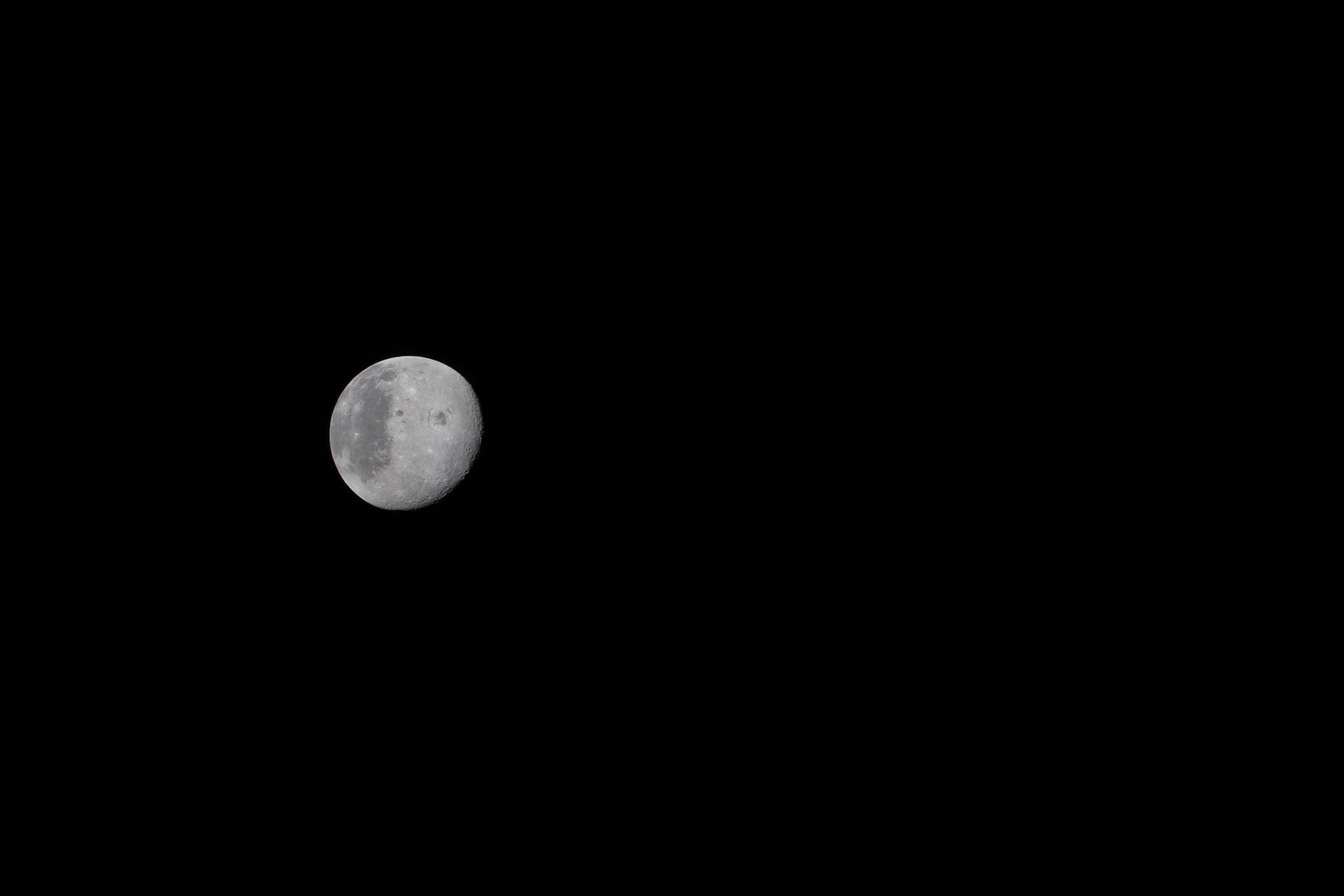
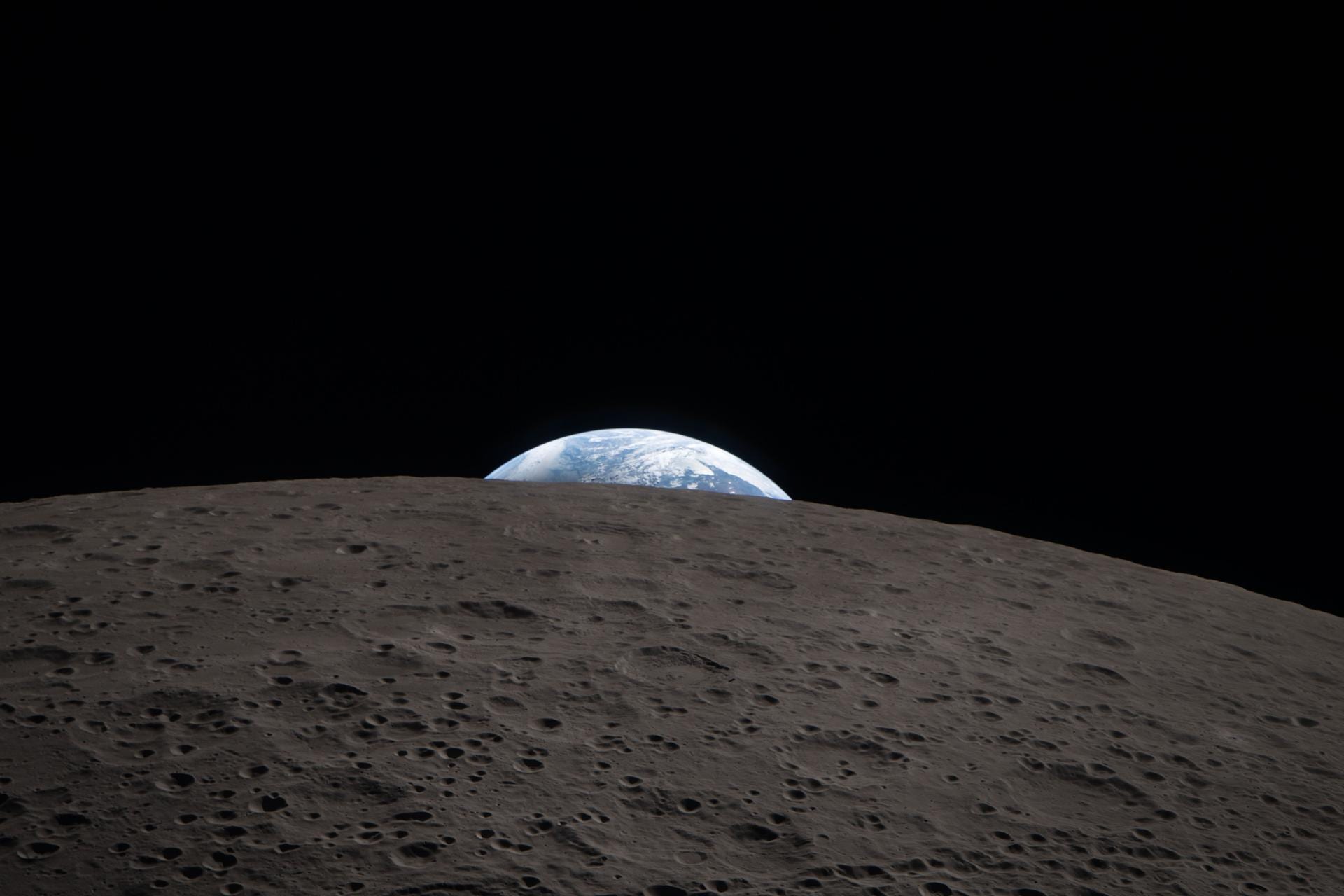
A crewed lunar flyby is planned years before liftoff, the exact discipline this Space Operations chapter opens with, and the daily work behind the Mission Operations career.
Mission Operations EngineerIntroduction to Spaceflight: Space Operations Foundation