What happened
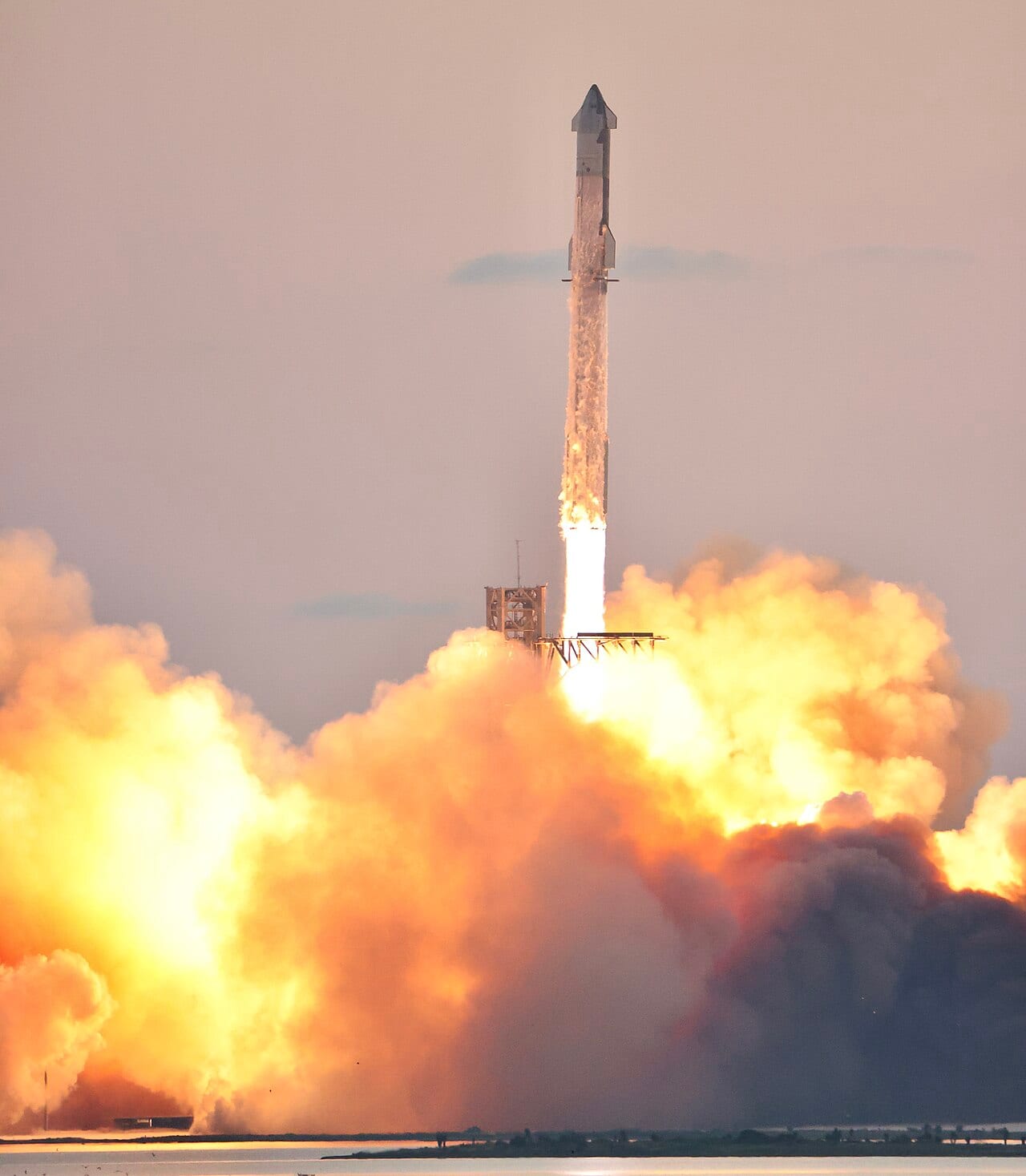
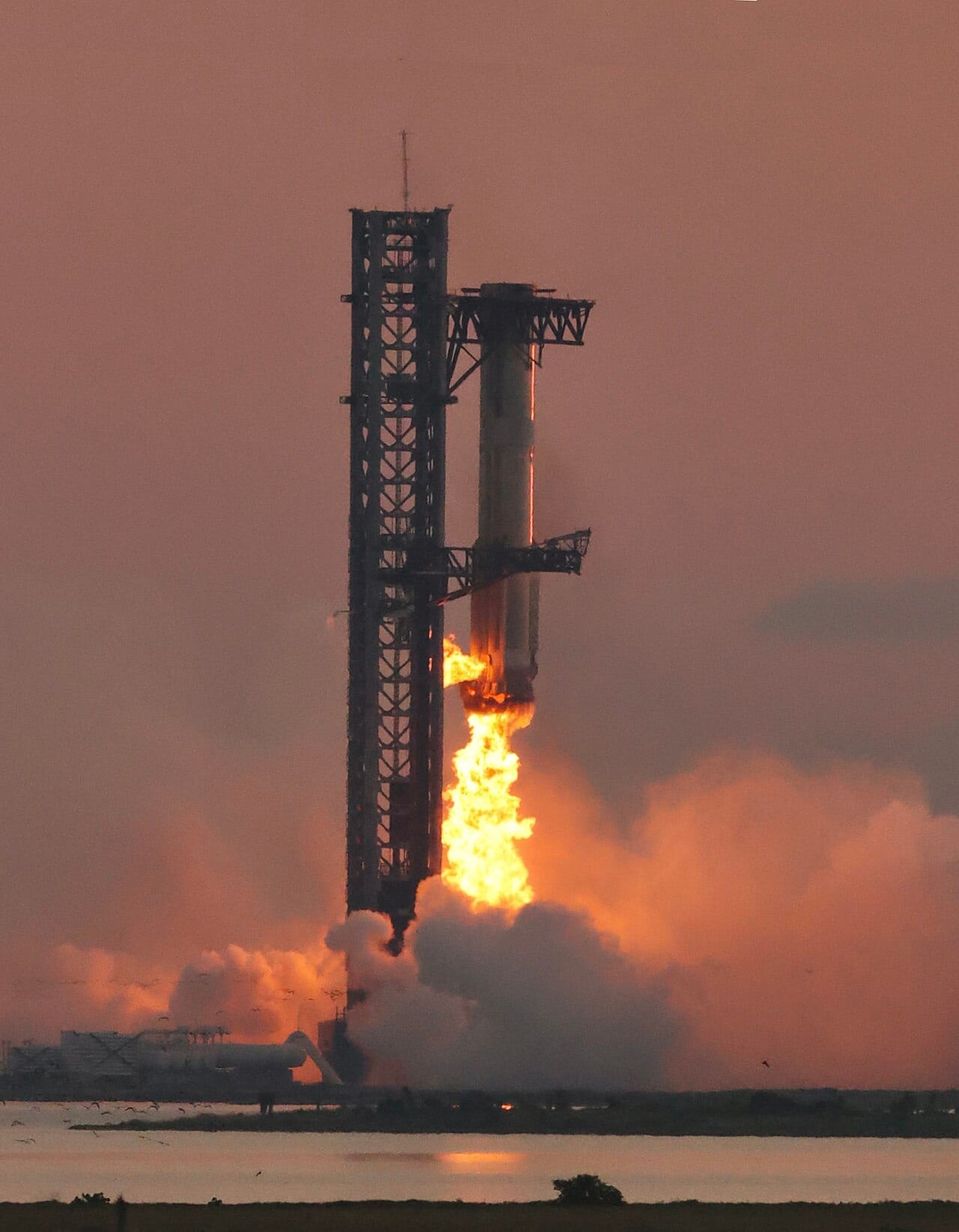
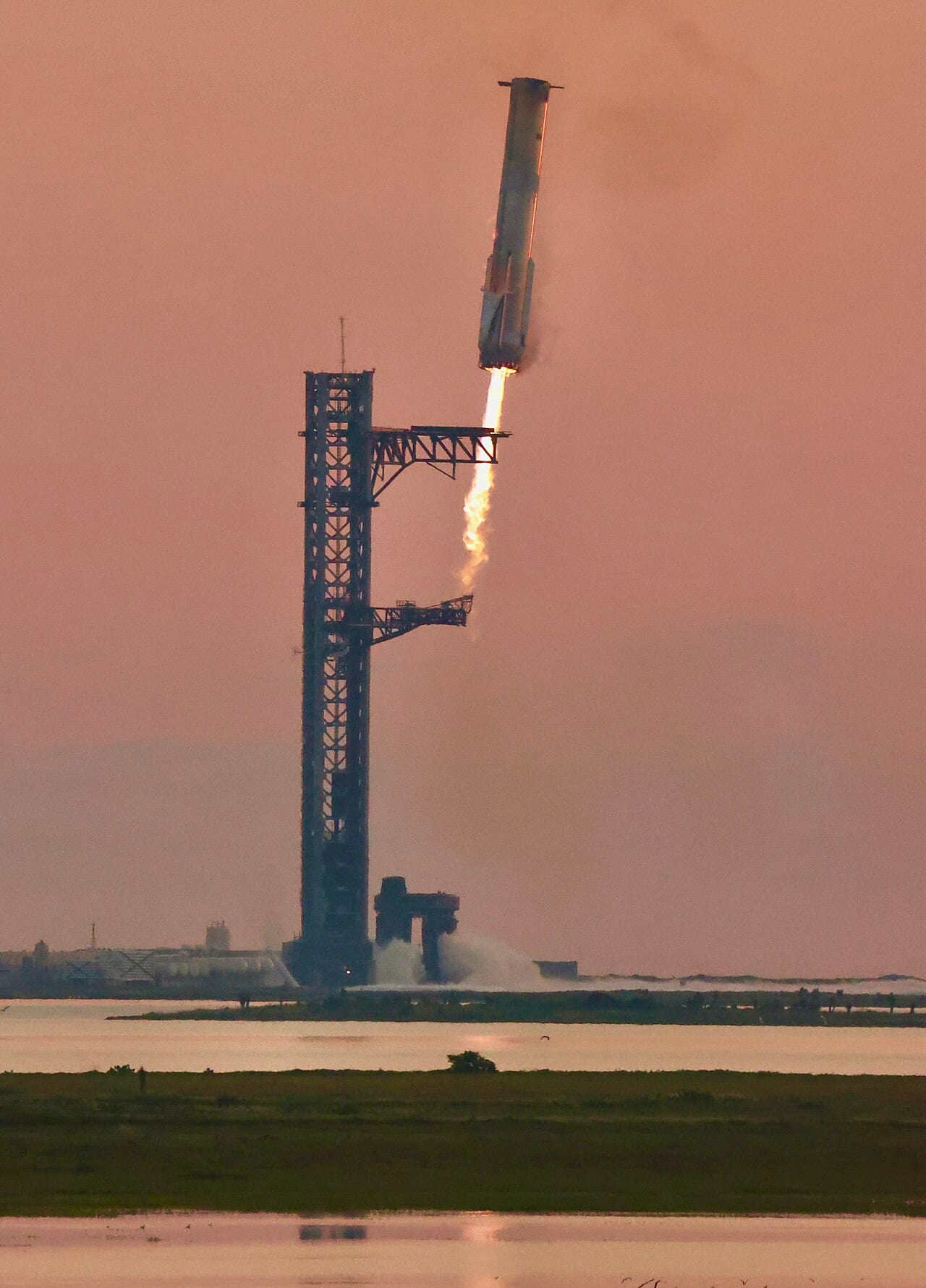
On October 13, 2024, SpaceX launched its Starship rocket for the fifth time. About seven minutes later, its 71-metre first-stage booster (Super Heavy) flew itself back to the launch tower, hovered, and was caught in mid-air by a pair of giant mechanical arms nicknamed "chopsticks." No orbital rocket booster had ever been caught rather than landed before. SpaceX has repeated the catch since, on Flight 7 in January 2025 and Flight 8 that March.
Why catch it instead of landing it
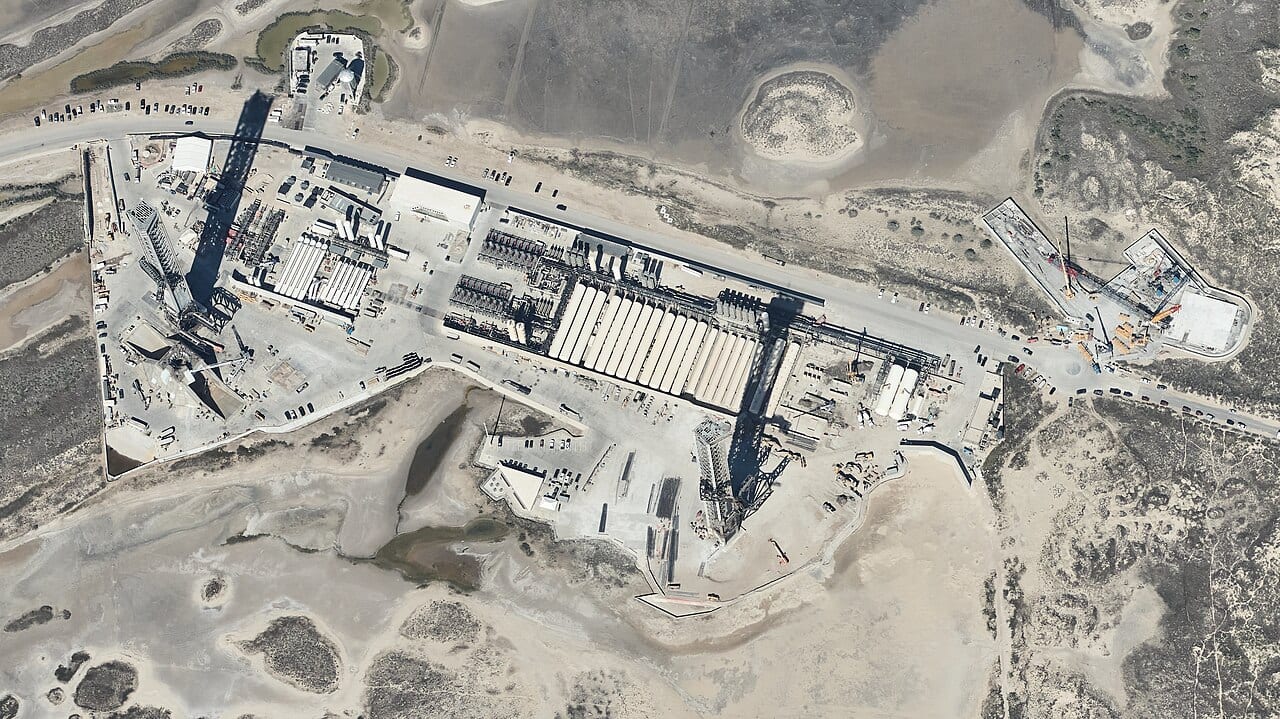
Landing legs are dead weight on every single flight, mass the booster hauls up and back down for the few seconds it needs them at the very end. A tower that catches the booster removes the legs entirely, and if it works, the booster is already back on its launch mount, ready to refly, instead of sitting on a landing pad somewhere that a truck has to reach.
The part that actually has to work
Getting a rocket that size to hover its exact centre between two fixed arms (correcting for wind with differential engine thrust and grid fins, with no second attempt possible) is a guidance-and-control problem before it is anything else. Every sensor reading has to be trusted enough, and every correction has to land inside a window measured in fractions of a second.
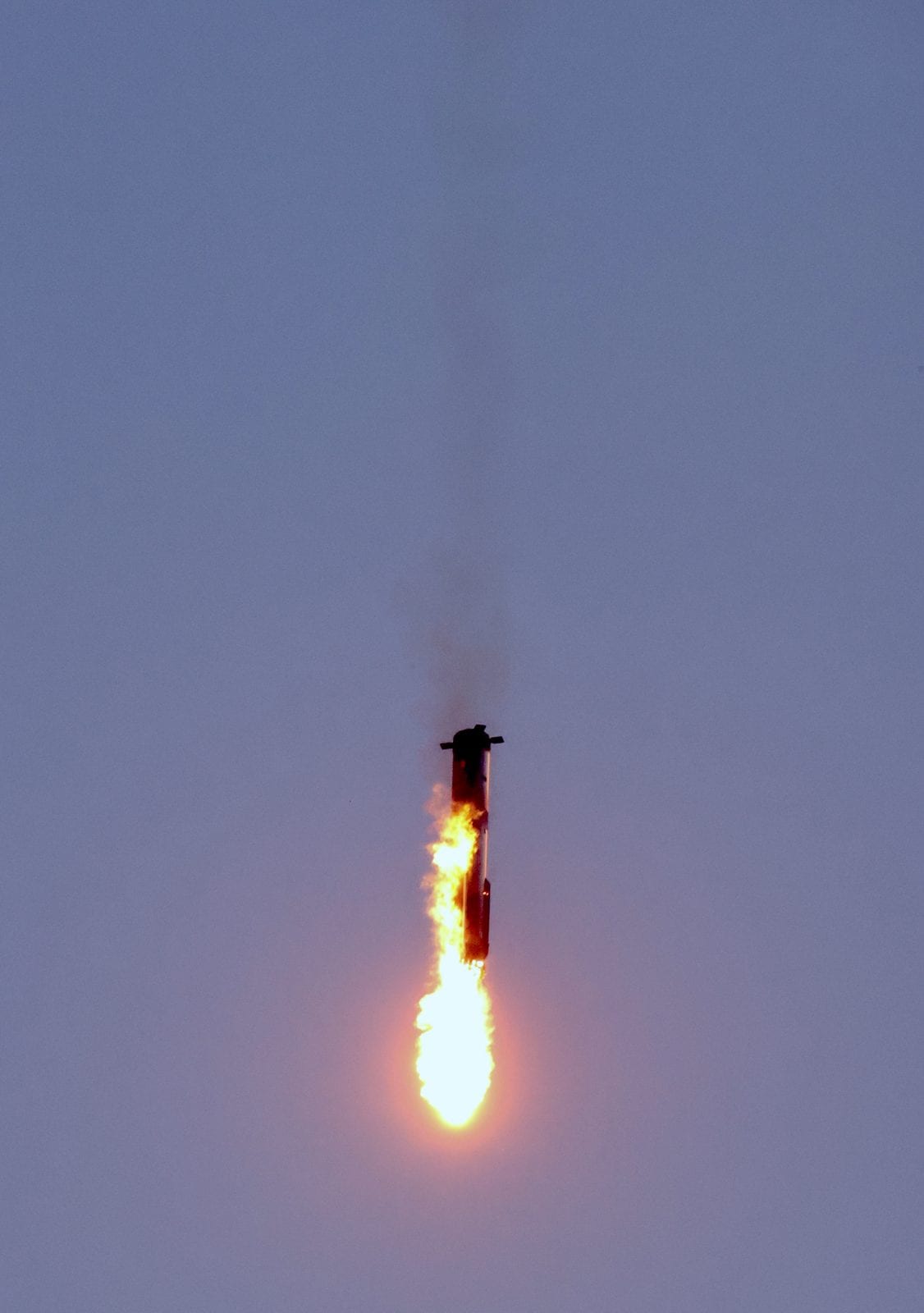
Threading a hovering booster into a fixed pair of arms is the guidance-navigation-control problem in its most unforgiving form, the exact discipline behind the GNC Engineer career, and the aerospace chapter on keeping a vehicle stable under control.
Guidance, Navigation and Control EngineerDynamics, Stability and Control: Aerospace Foundation