What happened
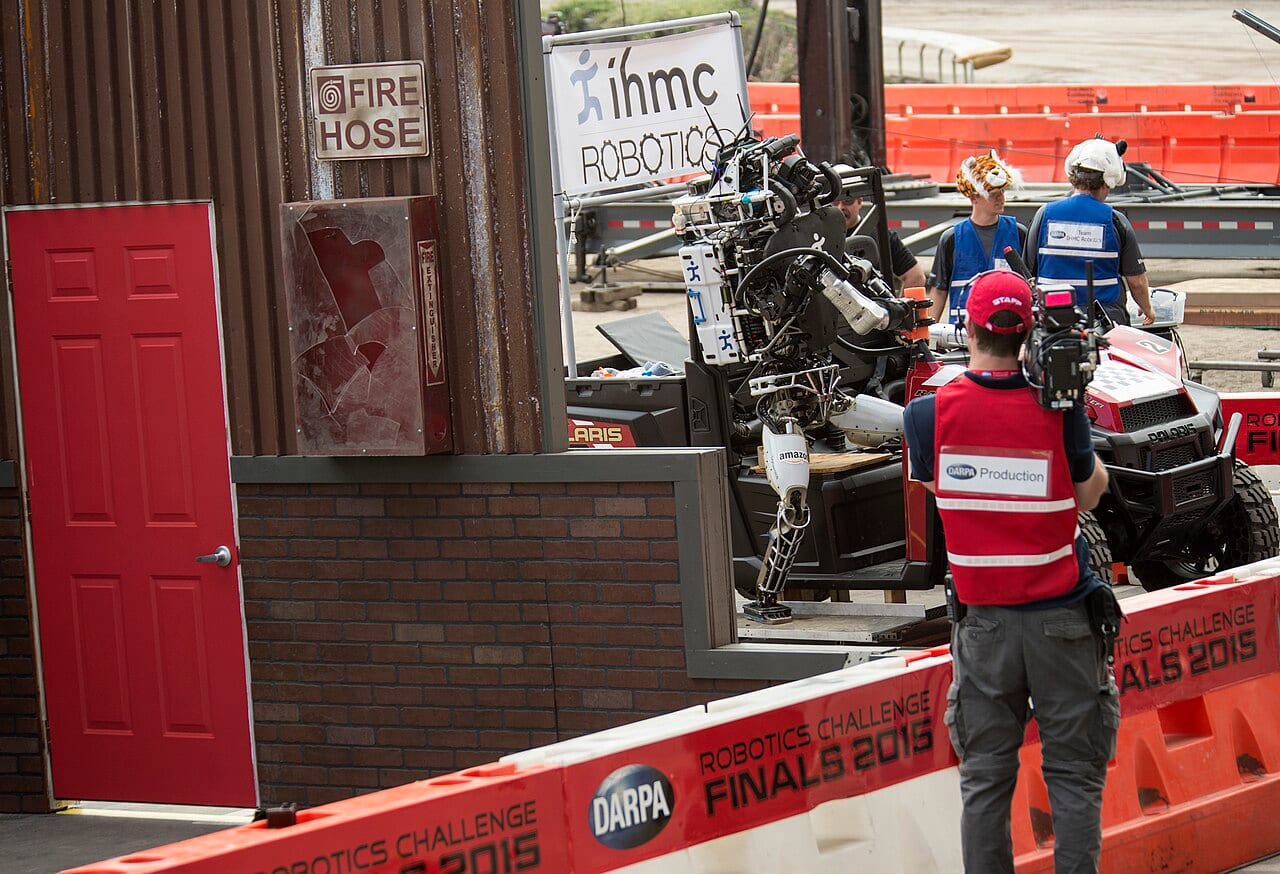
Figure AI’s humanoid robot, Figure 02, completed an eleven-month pilot on a real production line at BMW’s Spartanburg, South Carolina plant, not a demo, an actual shift. Over that time it logged more than 1,250 operating hours, loaded over 90,000 sheet-metal parts, and worked ten-hour shifts at an 84-second cycle time with better than 99% placement accuracy. Other humanoid robots reached similar milestones around the same time: Agility Robotics’ Digit moved over 100,000 totes at a GXO warehouse, and Apptronik’s Apollo began moving assembly kits on a Mercedes-Benz line in Berlin.
Why this is different from the demo videos
A robot that picks something up once, on camera, is not the same as a robot that does it correctly ten hours a day, every day, for eleven months, next to a production schedule that does not wait for it. The number that matters is not "can it", it is the cycle time and the accuracy rate, whether it is fast and reliable enough to be worth the floor space it occupies.
What actually makes that possible
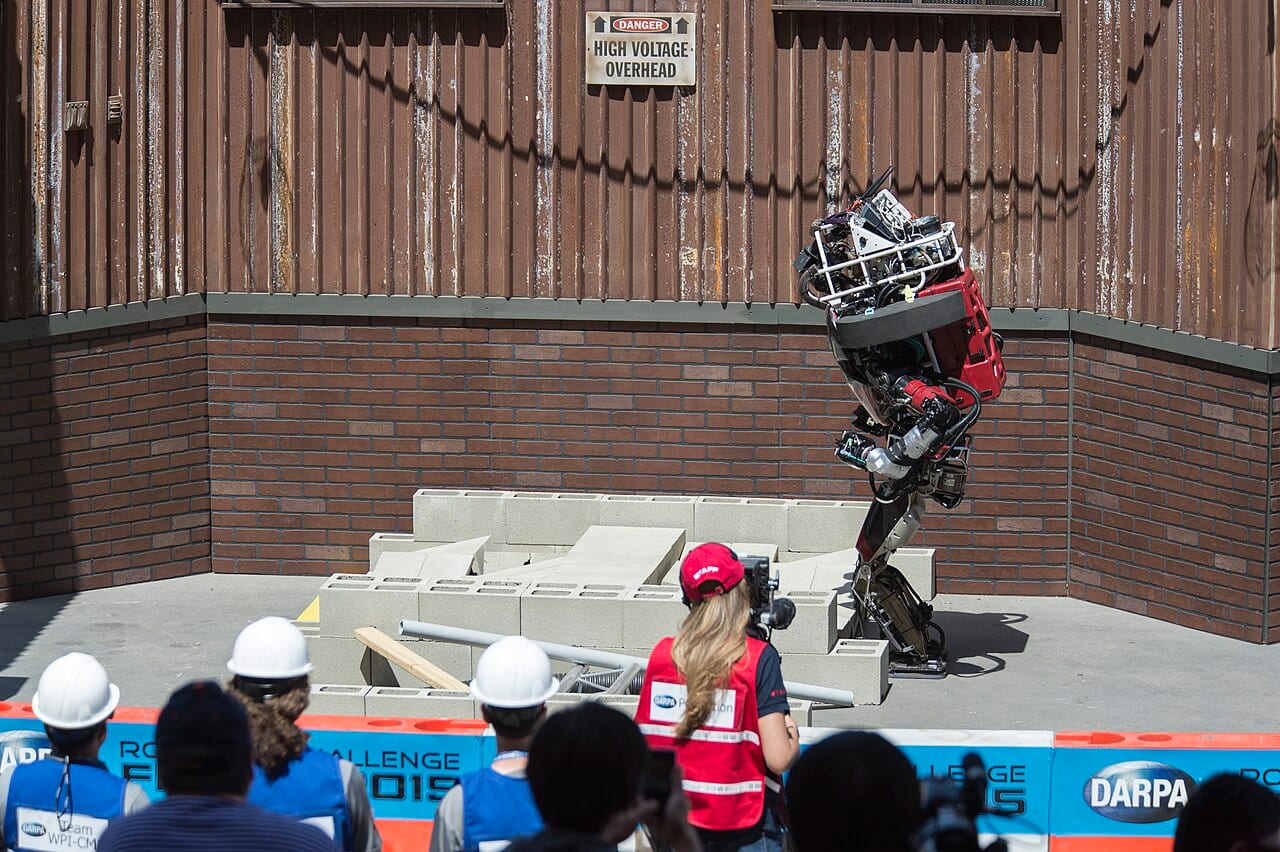
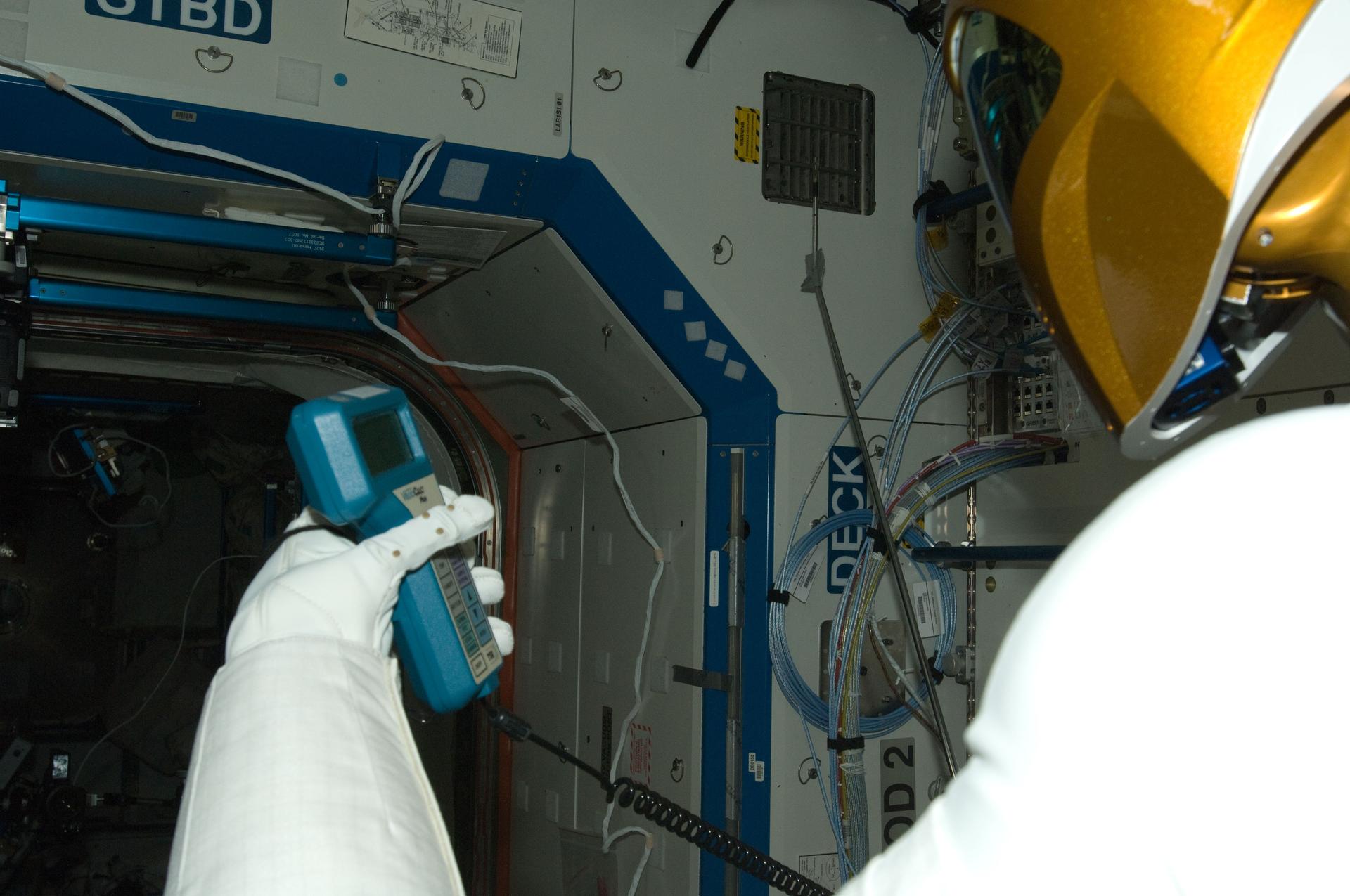
None of it works unless the robot reliably knows what it is looking at and where its own hands are relative to it, in a factory that was not laid out for its convenience. That is a perception and embedded-systems problem as much as a mechanical one, the arm is the easy part.
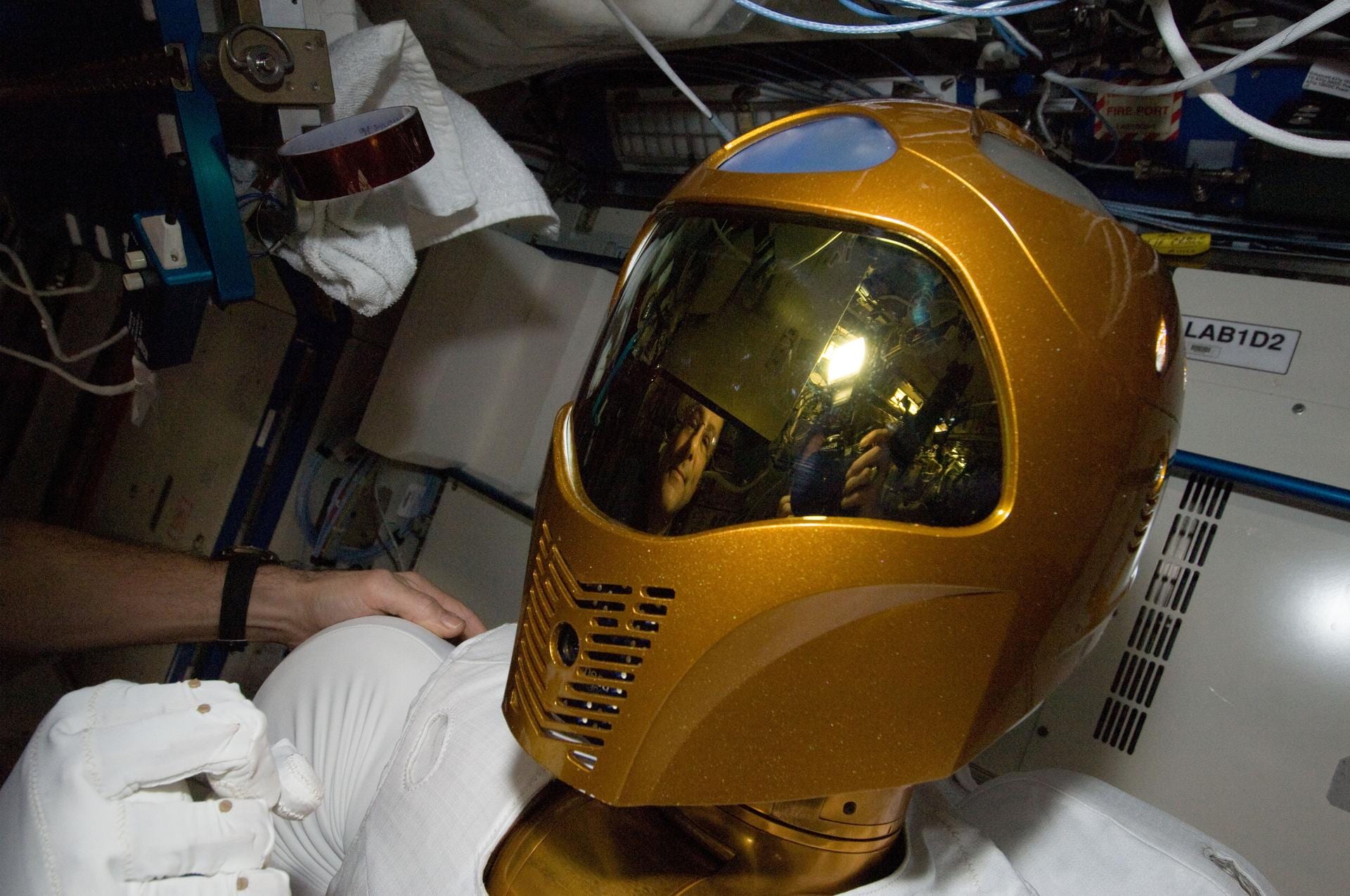
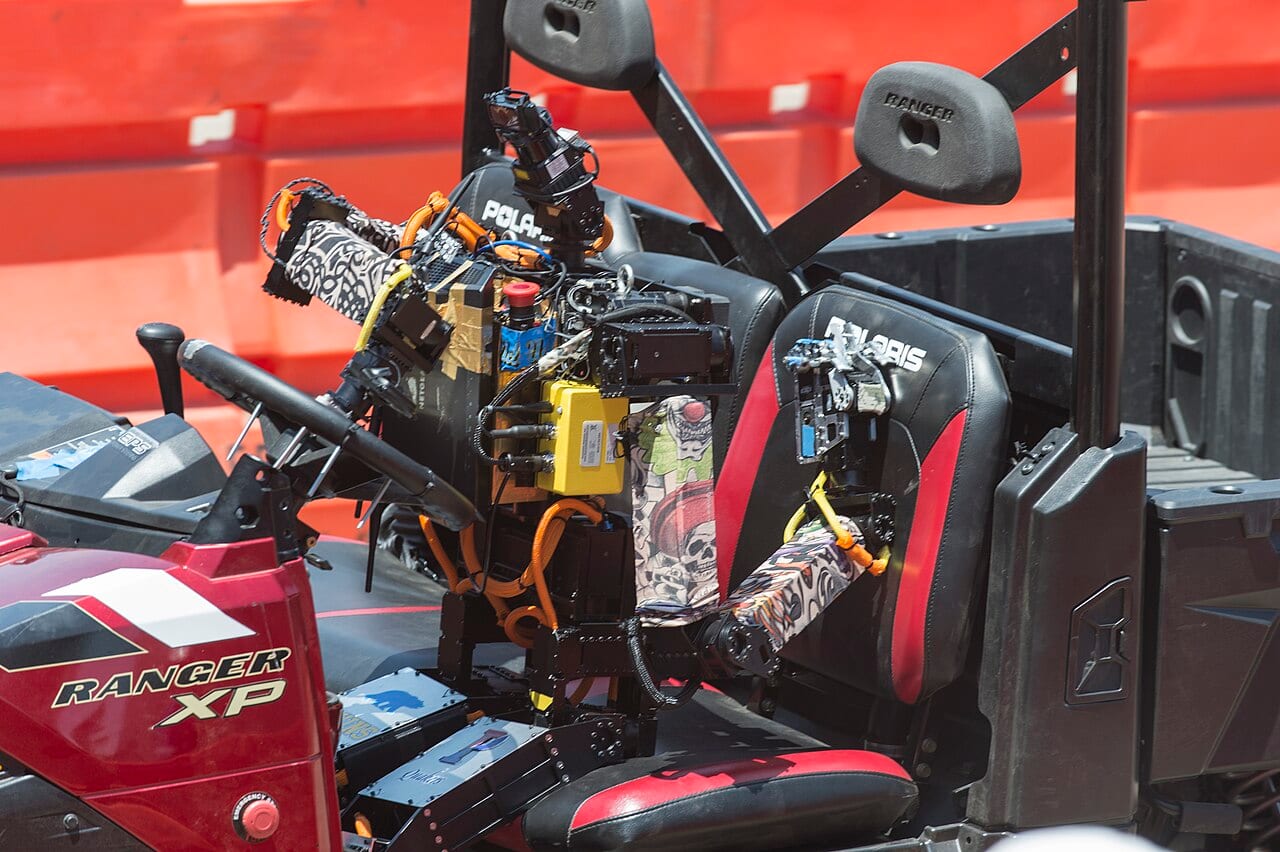
Getting a robot’s eyes, hands and control loop to agree with each other for ten hours straight is what the Robotics Engineer career does, and what this chapter on sensors and embedded systems is actually about.
Robotics EngineerSensors & Embedded Systems: Technology Foundation